The village has always been a symbol of simplicity in its system of life and in the psychological makeup of the villagers, who rarely suffer from what is called “phobia” or “mania,” and accept everything that happens to them as normal, no matter how harsh.
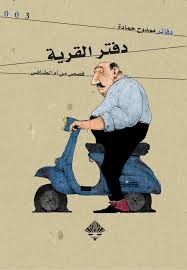
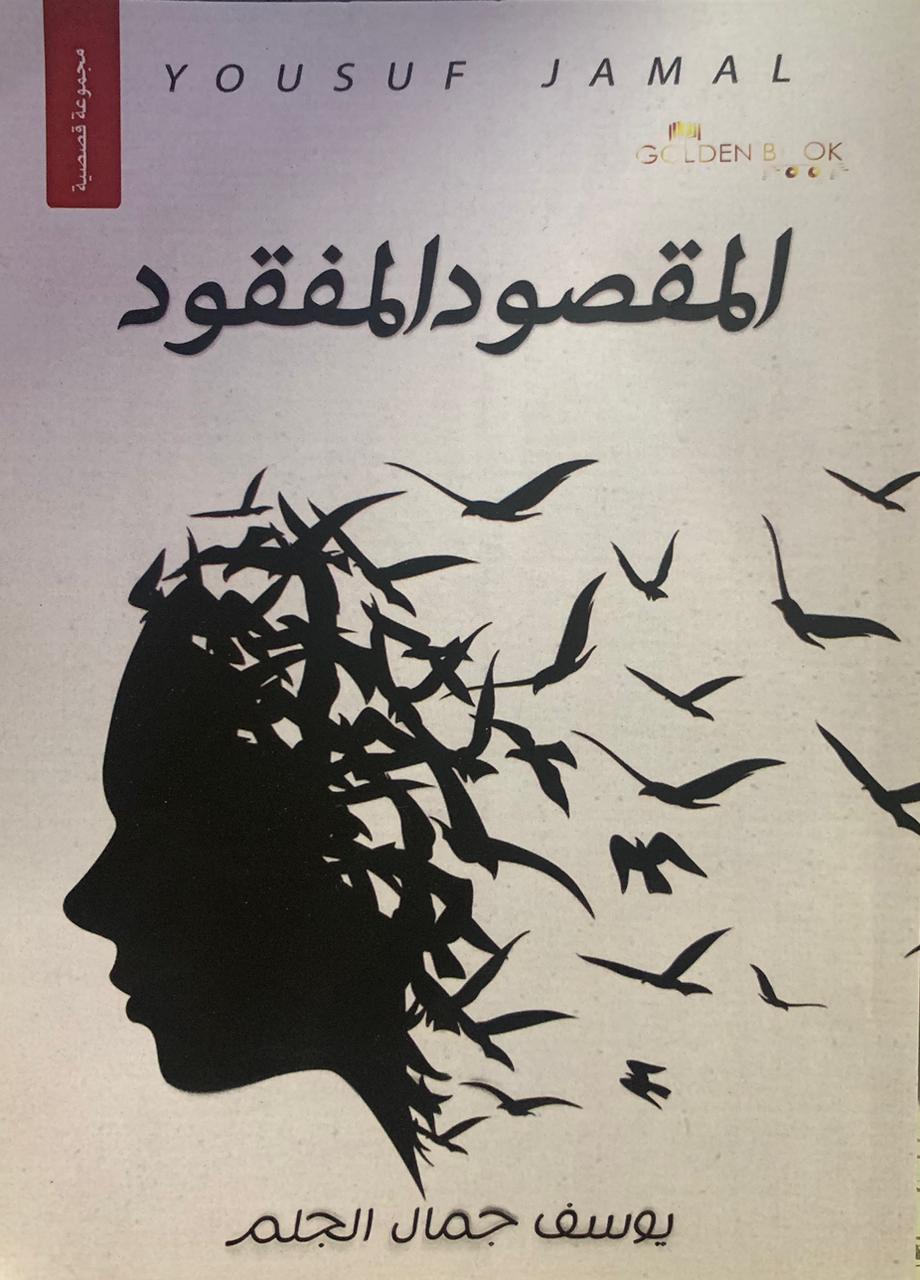
This was in those eras when crops fed those who worked the land and provided them with a surplus for sale that provided them with an important part of their living expenses. However, after agriculture became a loss-making business, and sometimes a heavy burden on the farmer that did not provide its owner with the minimum necessities of life, the village mixed with the city due to the migration caused by various crises, which generated sharp paradoxes that were nullified by that person who was imposed on him in the city a new way of life. At the same time, his customs, traditions, and connections to the village remained strong, which created a duality in him that made him a rich and diverse personality. This friction that occurred through migrations, as well as due to the great technological development that occurred, also transferred part of the city with its relationships and way of life to the village, which constituted a shock to a part of the villagers whose thinking remained based on the old pattern of rural relations.
All of this constituted, and continues to constitute, an important source of literature and drama. In this book there are a number of stories whose events take place in the village of Umm al-Tanafas, a name taken to be a symbol of the village in all works that touch upon the village. This will be the first village notebook and will be followed in the future by other notebooks, because the village’s stories are inexhaustible.
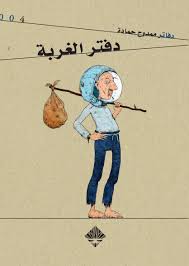
The life of an expatriate is a journey of pain and happiness, loss and discovery, success and disappointment. It is a painting in which contrasting colors, very dark and very bright, clash. The life of an expatriate is a journey whose end, according to plan, is a return to the mother’s embrace, the mother who carried him and watched over him as a child, and the homeland mother that contains all his previous memories, but it often ends with the end of the expatriate before the end of the journey or with the end of the mother. This book presents stories of the life of an expatriate that are almost identical to reality, and carry within them all those emotions that we mentioned at the beginning, and it has a tendency toward presenting the condition of the expatriate without adding the usual touch of romanticism, as it is, and without exaggeration or frills.
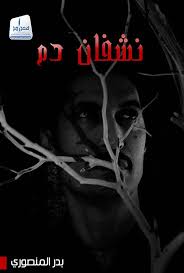
Dry blood:
There are unforgettable stories in everyone's life, especially those that make your heart beat at the highest speed.
I wanted to share with you some of those scary stories I've experienced in my life.
Each story is true, with some slight changes in order to make the stories interesting.
Between realization and confusion, I almost cannot believe that I am alive to tell you the moments I went through when my blood dried before I felt the last pulse.
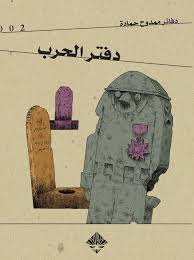
This collection presents views from different wars that the writer's generation either witnessed and was a victim of, or fought in. It extends from the June defeat, which was beautified by calling it “the setback,” through all the other wars that did not end with the last war taking place now. The stories presented in this collection present different humanitarian situations experienced by the person of war, in which Syria has become something of a practical laboratory for it due to the large extent to which its people have suffered from the scourges of war. It includes the suffering of a child of war who was uprooted from his home and his childhood playground to begin a departure that most likely will not end with a return. The child of war who was accustomed to it and lived with it later to become a victim of a different kind; When the fragments allocated for killing turn into monetary wealth created by his innocent mind, and then he becomes an element in this war, this time being a victim in the form of a fighter, circumstances force him to be placed between two options (either the killer or the killed). The stories of all the world will not be sufficient to express the horrors and suffering that man experiences in wars. These stories are a simple example of them in the form of samples from different stages. Unfortunately, it seems that this notebook will remain open indefinitely, and more tragic stories will join its pages, because the experience It has proven that the tragedy on our land takes escalating forms and generates pain that grows more every day. It seems from the scene in which the events take place that we will experience all forms of pain.
The period of writing these stories extended for many years, extending from 1987 with the story “The Smell” to 2013 with the story “May God prolong his life.” They were all written under the weight of heavy tyranny, which made our thinking almost paralyzed and made us free executioners and observers of ourselves. It is “natural” for most of them to be apologized for publishing, as happened with the story “The Smell” which was either apologized for publishing or was ignored by all the newspapers to which it was sent at that time, as well as It happened with several other stories.
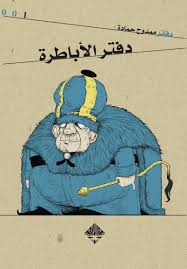
All the stories are united by a single concern and a similar atmosphere. Their events take place in the imperial atmosphere, with the meaning of the emperor’s word. The reader does not need effort or help from anyone in deciphering it. They speak of a general concern that everyone feels the burden of, without exception. Some were vocal about it at the times when the stories were written. Some people kept it quiet, but despite the fact that the majority were forced to remain silent, and those who opened their mouths paid a heavy price for not remaining silent, for everyone it was a heavy burden that a person could not get used to, or at the very least hope that it would go away.
These stories were among the forms of expression of that general pain. Some of them were destined to come out to the screen - in some short periods of relief - to reach the audience, even in different formulations from the stories in the book, and some of them remained imprisoned until circumstances allowed them to appear on the pages of this book in your hands.