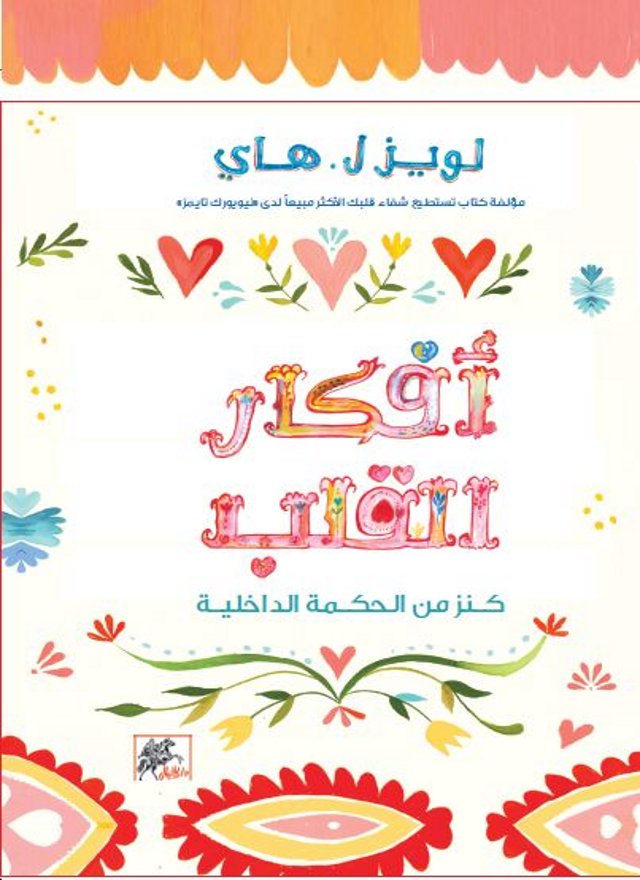
كيف نجد الحبّ ونحافظ عليه؟ نجتاز أكبر المشكلات في علاقاتنا بسهولة؟ نتأقلم مع التغيير والخسارة؟ حياتنا تدور حول العلاقات: العائلة والأصدقاء والزّملاء والحبيب وحتّى علاقتنا مع نفسنا. لو تمكّنا من تحقيق التوازن فيها، تصبح حياتنا أسهل.
إتيكيت التحية والمُصافحة · إلقاء التحية من قبل القادم على المُقيم، والمارّ على الجالس. · الرّد على التحية بتهذيب. · إلقاء التحية قبل بدء الحديث، وعند الانتهاء منه.
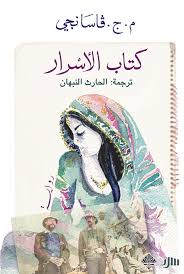
Retired teacher Pius Fernandez receives from one of his students an old notebook found in the back room of a shop in East Africa. It turns out to be the diary of a British officer who lived seven decades ago in the small town of Kikono. The diary captivates the teacher, and he tries to recreate the world in it, and breathe life into the souls trapped there, discovering a dark, burning secret, the secret of a simple man named “Pippa” whose life, after his marriage to “Mariamo,” became painfully linked to the life of the English officer. As Fernandez follows the diary's trail, he himself eventually becomes one of the tales of the Book of Secrets.
In this novel, which won the Giller Prize in its first edition, in 1994, Vasanji writes an influential work rich in questions, about a very rich and complex world, vibrant with colorful images, against the backdrop of great historical changes.
أول كتاب من تأليف الأنفلونسر ابتسام القاضي و يندرج تحت فئة الكتب الدينية " إن الفتاة الحرة القوية ، الواثقة بالله لا تحتاج إلى التفريط في فرضية الحجاب لتثبت جمالها من غير موضعه الصحيح ، خلقنا بغريزة حب الجمال و على هذا النحو
كبر دماغك ، يخاطب القارئ في التعايش السلمي مع الصدمات وخيبات الأمل ، وعن مصادر السعادة في أبسط الأمور والتى عادة نمتلكها لكن لانحسن تقديرها ، وعن كسب عادات جيدة الكفيلة بتقدير الذات ، ونصائح للتخلص من الأفكار السلبية ، ومقتطات من سير الأنبياء والصفوة لنسير على حذوهم
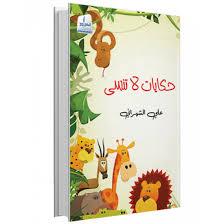
This work consists of five independent children's stories, each of which is in a separate book. They are as follows: 1 The naughty monkey 2 The frightened rabbit 3 The birds and the snake 4 The falcon Fawaz 5 The adventurous elephant.
The idea of this work is to create new and unconventional stories, starting with the common introduction in each individual story, which respects the child’s mentality and which begins each story with (Our story, children, dear heroes, is a story from the world of imagination...), and ending with the story in terms of the idea, interesting events, and eloquent language. And the easy, appropriate and accurate word; Note that this work is not complete without illustrations of the events and characters of the story. I have added notes numbered on the pages to each of the five stories above to give the artist the desired impression for drawing the characters and events of the story, as the picture is no less than the word.
The goal of the stories supported by drawings: to attract the largest possible segment of children and parents as well to enjoy reading, and to preserve the book and reading in a generation in which technology is competing with the book, and also to address the subconscious mind of the child and broadcast good and beautiful values in the form of an entertaining story whose heroes are mostly animals. I have deliberately shed light on Some beautiful and rare animals as characters in stories to add more joy and benefit to the child.
Thank you for your generosity in reading this brief introduction.