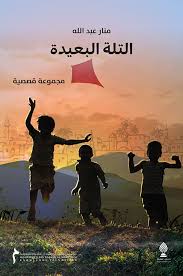
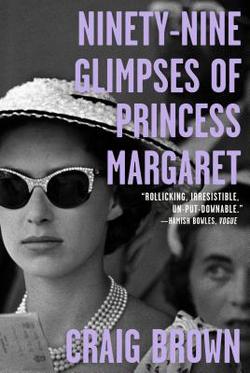
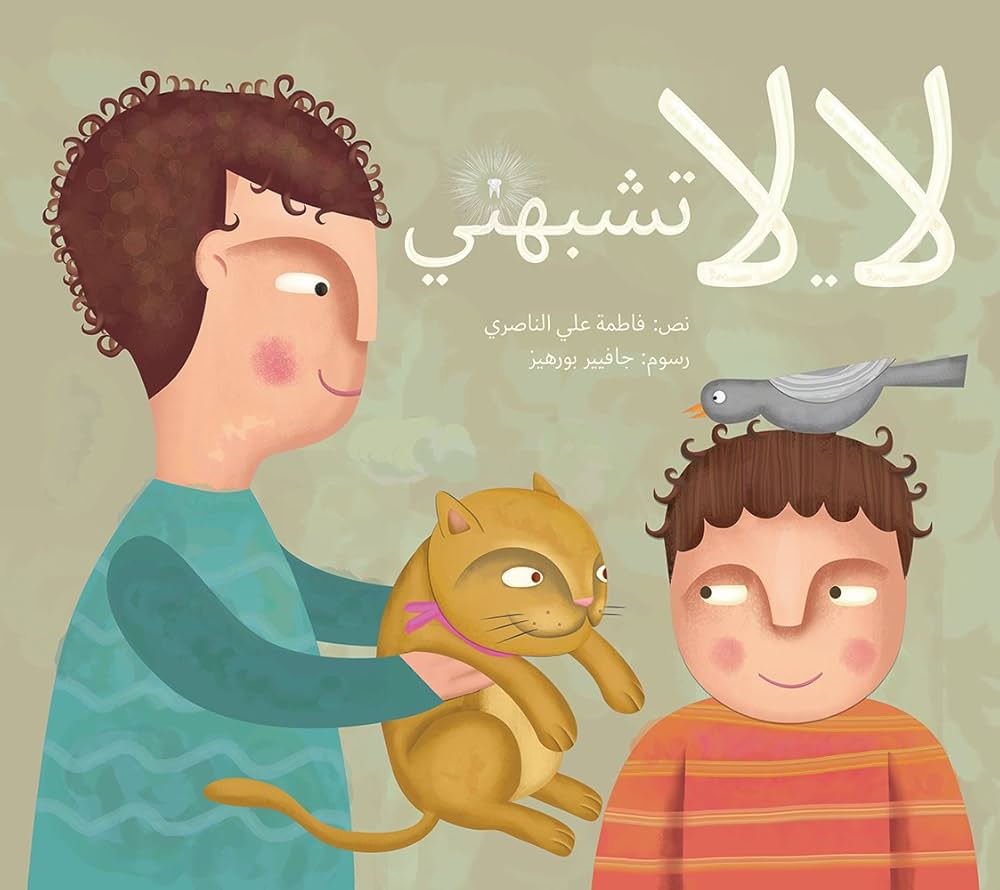
A journalist residing in Buenos Aires turns forty and decides to write his first book, but what will he really write about? About sad poets? Ex-girlfriends? Boats? The man struggles to find a starting point. He writes notes about events that happened, moving between memories, dreams, and dialogues, but he feels that the life he lived was richer and more intense than everything he wrote. Was it really richer?
In the novel “The Well,” Juan Carlos Onte writes, through a flowing text that breaks down the barriers between times and places, feeling and subconsciousness, about a hero with a strange nature, marginalized, angry for no apparent reason, and always in some kind of misunderstanding that makes him unable to communicate. with the others.
At the end of the novel, Onetti leaves us with a shocking feeling, as we wonder about the nature of the work we read: Was it a novel, a dream, or do you see it as mere delirium?
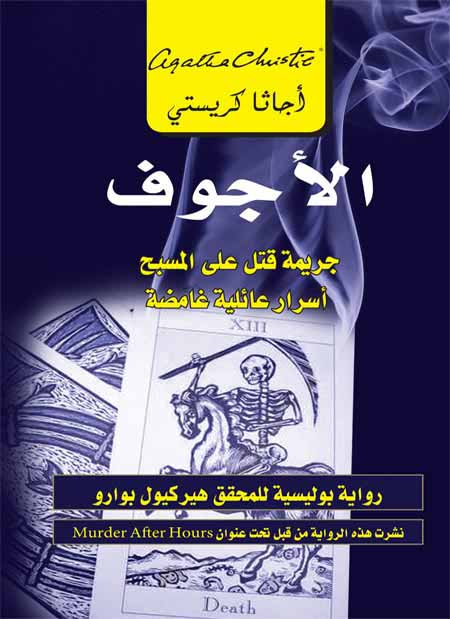
كتاب يقدم أدوات فعّالة للأشخاص الذين يعملون في جميع المجالات المعنية بإمكانية إحداث نمو في إجمالي إيرادات مستمر ومُحفِّز داخليّاً، وهو يخدم غرضَين ذَوَي صلة؛ أولهما: مساعدة الشركات على الازدهار، وثانيهما: مساعدة الأفراد على النمو الشخصي.
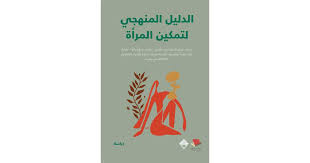
The term “women’s empowerment” has invaded the research literature and reports issued by civil society organizations in the Arab region, without sufficient introduction to this term, its dimensions, indicators, and methods for measuring it, especially in view of the geographical and cultural specificities, and the different historical circumstances of women from one country to another: the empowerment of women in... Belgium, or Ecuador is not the same as empowering them in Syria.
This is precisely what justifies the interest in publishing the “Methodological Guide to Women’s Empowerment,” prepared by the work team in the “Gender and its Indicators” project, managed by the Women and Development Committee of the General Department of Cooperative Development (DGCD) in Belgium.
Instead of adopting a fixed template that applies to all women, this guide takes into account the cultural specificities of each society and proposes a flexible methodology that allows for the formulation of empowerment indicators.
Empowerment, according to the words of the authors of this guide: “is not based on a process of horizontal development, or fixed values in society, but rather a cumulative process built on the activities of women’s movements, as well as mixed movements.”
Thus, this guide explores the relationship of the concept of empowerment to other related terms, such as: power, distribution of responsibilities, and building identity.