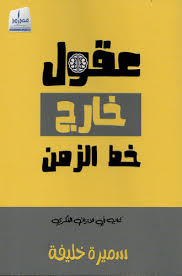
Hominins: The book talks about the reality we live in. Many of us are waiting for our lives to change through the efforts of other people. They live like humanoids and are under the illusion that their lives will not begin yet. This is usually inherent in waiting for life to begin. This syndrome is widely spread in our time.. A simplified and brief explanation of this syndrome. ...And also about perception, how a person perceives... Self-perception in the philosophy of the self is the experience of an individual’s personality or individuality... It should not be confused with awareness in terms of perceptible qualities, as awareness is awareness of one’s environment, body, and lifestyle in general... As for self-perception, it is Distinguishing this self-awareness...is how to consciously know and understand the individual's personality, his long-term thinking, his feelings, and his motivations for continuous progress and development...and the last part...are...short stories expressive of striving, patience, perseverance, and taking responsibility. ..
Minds outside the time line
“It is about how to invest and stimulate ideas to create balance and awareness in life, and thus this will contribute directly to improving the quality of a person’s understanding of the situations and events he is experiencing. The mind will think outside the scope of the situations and its perceptions and dimensions will expand and it will not be confined to the situation it is in now, but rather it will have a long-term vision.” .
This book contains six parts in which I mentioned various dimensions of ideas, such as the meaning of the idea, the mind, and other words and concepts that we hear but perhaps do not delve deeply into their meanings. I also talked about the details of the most important common misconceptions that require us to change the idea just in order to reduce its effects. I devoted a part to ideas, their motivations and effects, and another part in which I talked about some of my personal experiences in order to spread the benefit, and the last part is a confrontation with the reader by asking an important set of questions in order for him to evaluate himself and know where he stands in the group of ideas that have been explained in this book. And also how he can improve the quality of his current ideas
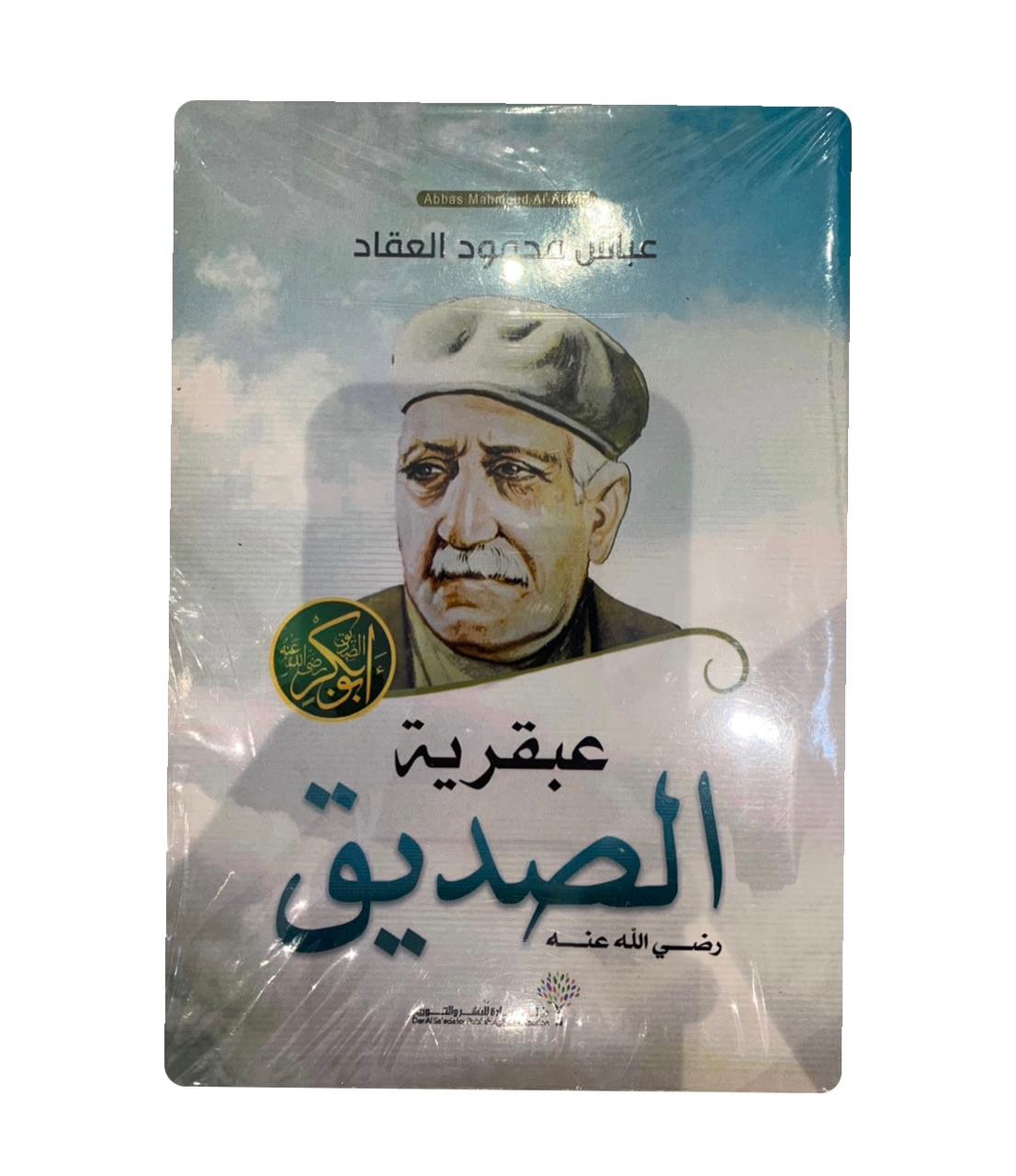
.. اعتنى الكثير من المؤرخين بترجمة سيرة الصحابي الجليل «أبو بكر الصديق» فلم يعد هناك الكثير مما يقال عنها، وقد أدرك العقاد هذا الأمر فجاء كتابه عن الصديق مختلفًا؛ فقدم دراسة نفسية تحليلية لشخصية الصديق ليتعرف على صفاته وسماته الشخصية ويستنبط بواعث سلوكه، فيسوق العقاد الأخبار والحوادث التاريخية لا ليعرضها هي نفسها بل ليضع يده على مفاتيح شخصية الخليفة الأول من خلال تعاطيه مع الأحداث وتعامله مع الناس. كما يقترب من بيئته وحياته قبل الإسلام وبعده وظروف إسلامه، ثم يعقد المقارنة بينه وبين «عمر بن الخطاب» ليظهر الفروقات بين شخصياتهما وطباعهما، كما يقدم جوانب من إدارته لشئون الخلافة في الدولة الإسلامية الوليدة وكيف تصرف تجاه الأزمات التي كادت أن تعصف بها.
باعتباره نهجًا ثوريًا للتحفيز والتقدم الوظيفي، يمزج هذا الكتاب عناصر من مبادئ علم التحفيز وتصميم الألعاب والإدارة الذكية، ويظهر لك كيفية القيام بما يلي: إنشاء ثقافة تعزز التعاون والإبداع والإنتاج المذهل. ديناميكيات تحفيزية متغيرة تؤثر على سلوكيات وأداء أي فريق.
تعد رواية نصف ميت من أكثر الروايات مبيعًا في عام 2014 ويعتمد كاتبها الذي يعرف باسم حسن الجندي على سلاسة السرد واهتمامه بعنصر التشويق والإثارة، وهو يتناول في موضوعاته عالم العفاريت والجن، وقد يخاف البعض من قراءة هذه الرواية بسبب احتوائها على الكثير من الرعب وخوضها بعوالم كثيرة وغامضة، وتكلمت الرواية عن شخصيات