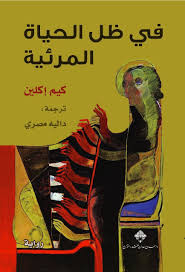
Catherine, an orphan girl, carries the stigma of her social background because she is of mixed race, in an era when society was against her and all the principles she represented. In the midst of her daily struggle, music gives her the freedom to temporarily escape and the possibility of dreaming of a better life. Within a journey ravaged by the vicissitudes of unexpected motherhood and an absent husband, Catherine strives to protect this hard-earned haven and rely on her talent to build a future for her family.
Mahsa is also an orphan girl, who grows up in an atmosphere of loss after her parents die and she is sent to live with her relatives in Pakistan. As part of her struggle to find her freedom, Mahsa flees to Montreal, leaving her first love behind. But in the end, she discovers the impossibility of cutting the threads of her past, and finally finds herself forced to accept an arranged marriage. For Mahsa, music becomes her beautiful solace, allowing her to escape from the oppressive circumstances that surround her.
In light of their struggle between the visible life and the hidden life, the two girls, music lovers, meet...
***
“I can no longer remember the number of times I stood captivated by the details of the events of this poignant novel. Each page depicts hope versus despair, and asks us to struggle to achieve our dreams without which we would be lost. This story, which presents the themes of motherhood and friendship, through its two exceptional heroines, will remain... Engraved in my memory to accompany me for a long time.”
Khaled Hosseini, author of The Kite Runner and A Thousand Splendid Suns.
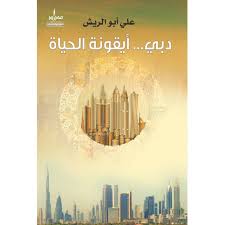
The book talks about Dubai... the city of dreams, the city of beauty and its founder, Sheikh: Mohammed bin Rashid Ali Maktoum, and we quote from it...
Tamer of life's riders, spoiler of horse cravings
With the wisdom of the desert, I enriched the lush horses and took care to name them until they appeared in time as a legend that walked on the lashes of sand with ease, and went slowly to ascend to glory with every effort. Under its spikes, the earth moved, and I was rewarded for its command, patience, secret, and effort. And you were the knight who was the appropriate guardian of the dreams of the wise and the pens of the nobles, and you, sir, were like your impeccable poem, taming the great horses and passing on longings for ages.
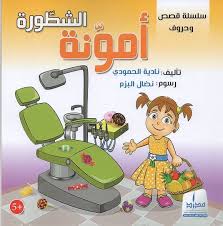
Ammuna Al-Shatoura:
This story is one of a series of stories and letters by the author. It is an educational story that is sufficient to make the child’s imagination fertile and help him think, deduce, and analyze. It is accompanied by a set of exercises that help expand the child’s understanding.
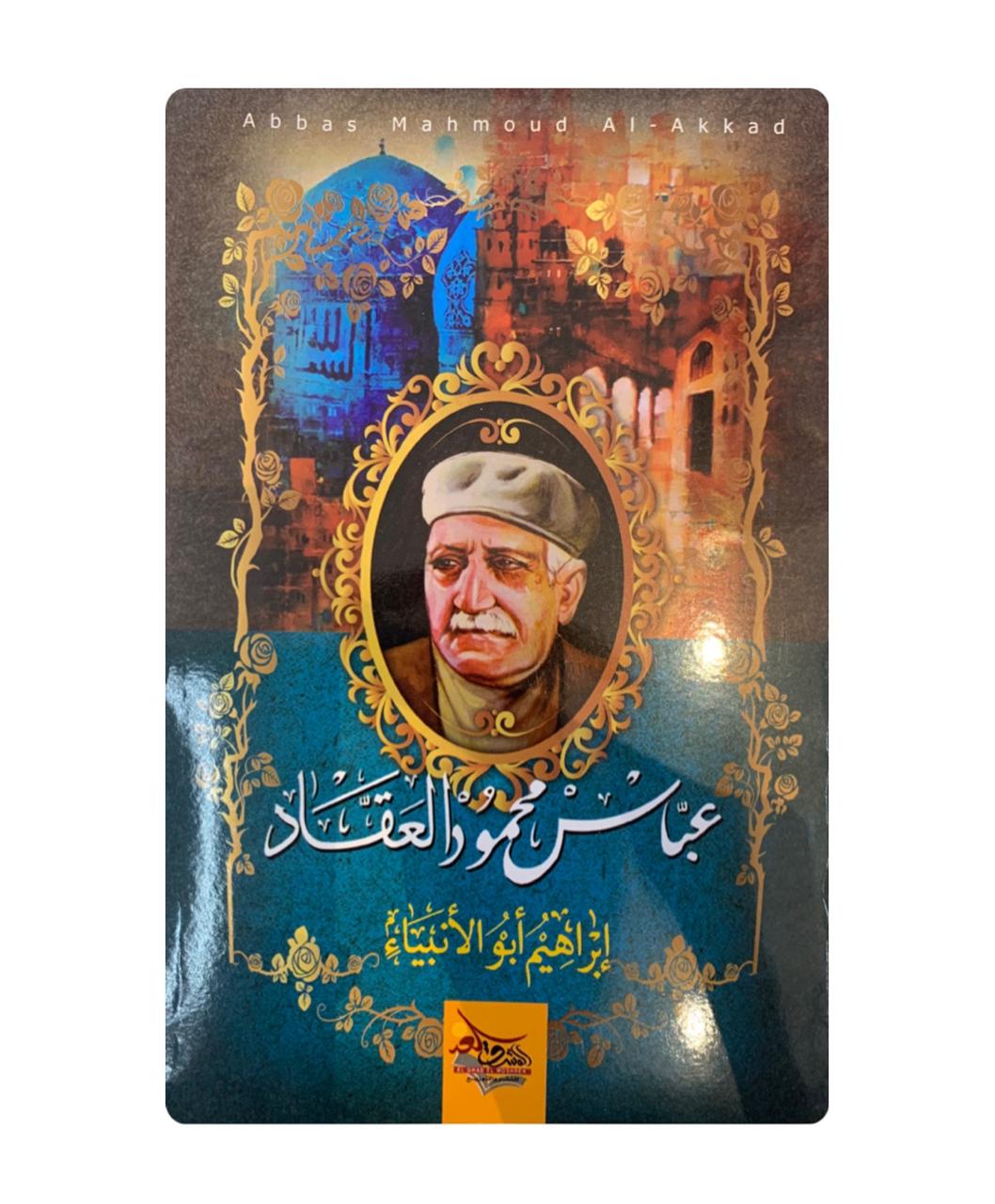
يصل عدد أتباع الأديان الإبراهيمية الثلاثة (اليهودية والمسيحية والإسلام) بالإضافة للصابئة إلى أكثر من نصف سكان العالم، وهذه الأديان قد قررت مكانة نبي الله إبراهيم الخليل عليه السلام، واعتبرته أبا الأنبياء؛ فهو من أوائل الذين أُرسلوا برسالة التوحيد؛ ليَهْدوا البشر لعبادة إله واحد شرَع لهم ما لو أخذوا به لاستقامت حَيَواتُهم. وعلى الرغم من أن المصريين القدماء قد عرفوا نوعًا من التوحيد؛ هو توحيد آلهتهم في إله واحد رمزوا له بقرص الشمس، إلا أن ذلك التوحيد كان اجتهاديًّا، وليس بتوحيد يقوم على رسالة من السماء. والمتتبع لسيرة أبي الأنبياء إبراهيم سيجد الكثير من النصوص المقدسة التي أشارت لمكانته، وحكت قصة دعوته لقومه، فنَجِد ذِكْرَه في التوراة والإنجيل والقرآن العظيم. والكتاب التالي يقدم دراسة شاملة عن رؤية أهل الأديان السماوية لخليل الرحمن إبراهيم






-1718246825.jpeg)