About the novel.....
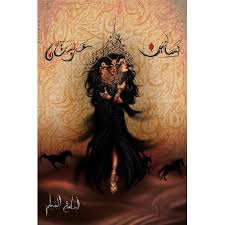
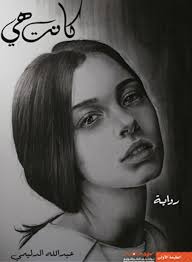
Rashid is a twenty-year-old young man, an orphan of parents. He grows up in the care of his aunt in Dubai. After his aunt’s death, he decides to return to his father’s house in a village in Fujairah. He brings workers to restore the old house and gets to know his neighbors in the village, and the father, Abdullah, and his granddaughter, Maryam.
Voices and ghosts begin to appear from the wall of the house, and each of them tells a story related to Rashid’s parents. The ghosts continue to appear and tell their stories, and Rashid becomes immersed in these stories, until the whole truth comes together about the death of his parents, the fire on his father’s farm, and the location of the treasure that was stolen, and the novel ends with his discovery. For the location of the treasure that Maryam’s father recovered and hid in a safe place until he found it, Rashid also searches for the real Maryam and marries her.
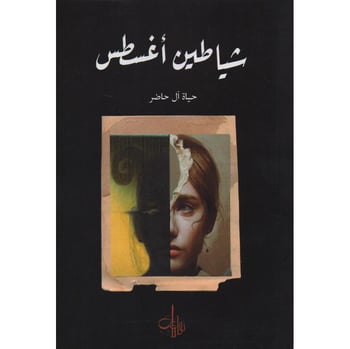
The hero of the novel “The Philosopher’s Dance” is a controversial strategic thinker. He worked and still is an advisor to an Arab leader. He took up his job after leaving Palestine on the run after he was accused of dealing with the enemy during wartime, namely Hezbollah.
This thinker or philosopher practiced political dancing. He theorizes democracy and secularism while working for a non-democratic, non-secular leader who supports extremism. He also believes in Arab nationalism and does not recognize Palestinian nationalism. He engages in a sexual relationship with his Israeli colleague (Tzipora), then continues the matter and justifies his actions. He describes it as resistance. He claims his love for his wife, Layal, and at the same time he lives with a Moroccan woman of Jewish origin during his stay in Britain. This woman plays a major role in the novel as a visual artist and has the ability to listen and remain silent.
The philosopher moves to reside in Britain and discovers an attempt to assassinate him by a Druze soldier who was working in the Israeli army. Here the novel sheds light on the reality of the Druze, accusing them and trying to do justice to them at the same time. The credit for thwarting the assassination goes to a man from southern Lebanon who runs a restaurant in London.
The philosopher receives a letter from a deported Palestinian who took refuge in Lebanon, asking him at the end: How do you feel in your homeland? The message affects him greatly, and he searches for the answer whenever he has the opportunity, and there are many opportunities, but he fails to answer. The question forms a basic pillar of the novel as well.
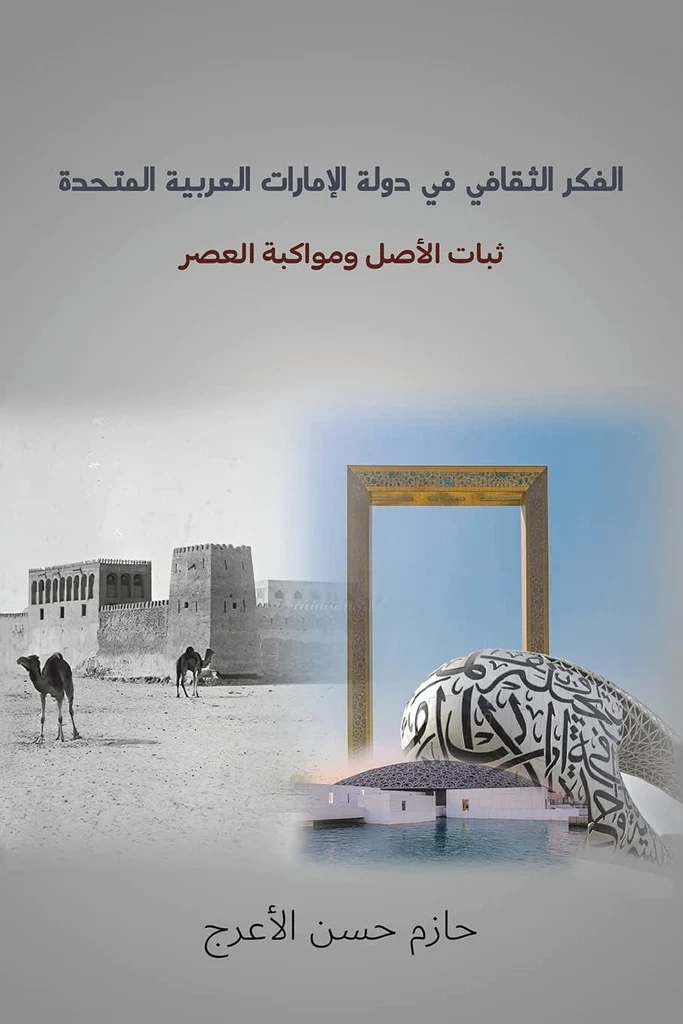
Although the novel is realistic, it does not follow an ascending ladder of events, and what lies within it is much greater than the events mentioned. The novel, as much as it is a novel of events and actions, is an intellectual novel, and here lies the difficulty of talking about it.
خرائط التّيه، هي حكاية صبيِّ السبع سنوات الذي فقدته أسرته في مكّة، أثناء موسم الحج، ورِحلة البحث عنه. سرعان ما تُسفر رحلة البحث عن الطّفل، عن رحلةٍ أخرى، وبحثٍ آخر، أعمق.. عن معنى الوجود، مفهوم الإله، وعلاقاتنا ببعضنا البعض. ماذا سيحدث للأسرة التي شدّت الرحال إلى الأرض المقدّسة من أجل الحج، ثمَّ خسرت كلّ شيء؟