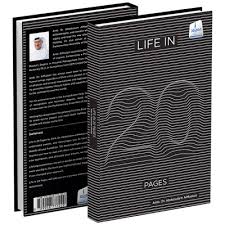
Life in 20 Pages by Amb. Dr. Abdulsalam AlMadani is a book that simplifies life, helps you understand people, and encourages you to have a positive attitude and high spirit despite all your hardships. The book highlights events and incidents in your daily life and teaches you how to deal with them with ease. It helps you solve your problems, achieve your aspirations, and articulate your dreams, no matter how impossible they seem.
Lifelong experiences are put in quotes to make it easy for people to understand life. The more you dig in, the more you realize that your biggest problems could have been solved if you changed your approach.
Life in 20 Pages will take you on a journey where you will feel lighter, happier, and more determined.
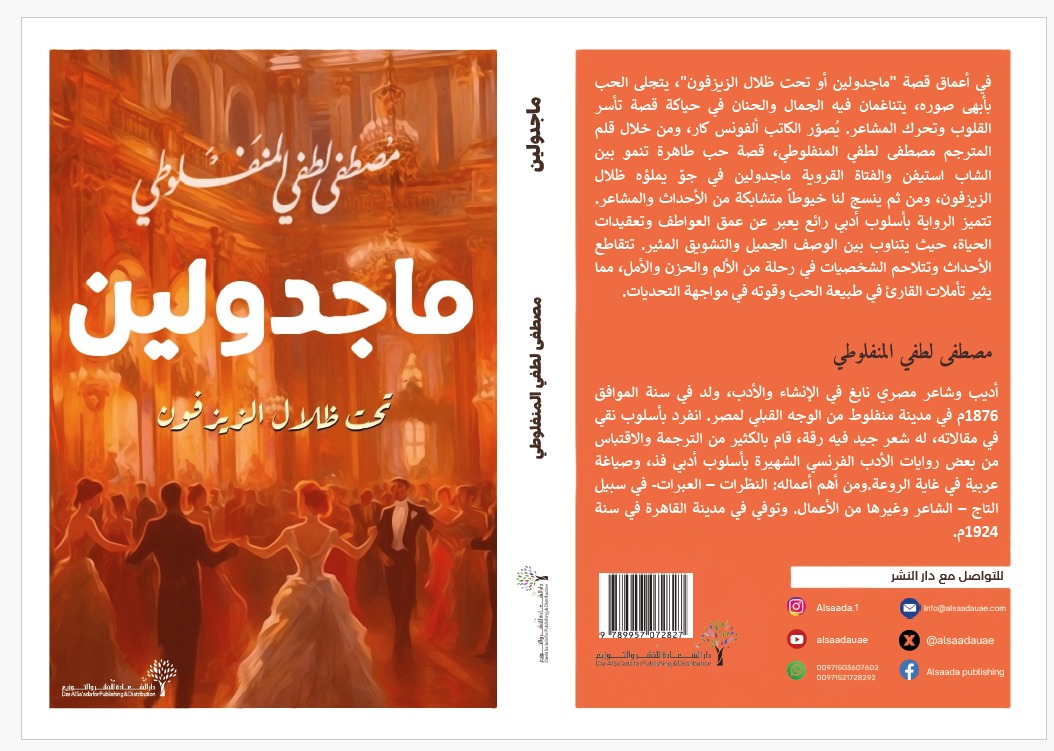
ماجدولين هي التعريب الذي قدمه مصطفى لطفي المنفلوطي للرواية الرائعة تحت ظلال الزيزفون، والرواية تعالج الفكرة الأقدم والأعظم لدى الإنسان مذ عرف الأدب، فتدور حول حبِّ فتى وفتاةٍ لبعضهما حتى يكشف هذا الحبُّ ويفرق بينهما. والرواية إحدى الروايات التي تثير الشجن داخل القارئ أضاف إليها المنفلوطي من سحره العربي وجمال نثره فأضاء بها سماء الأدب لسنواتٍ وسنوات
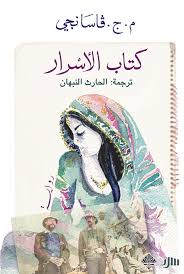
Retired teacher Pius Fernandez receives from one of his students an old notebook found in the back room of a shop in East Africa. It turns out to be the diary of a British officer who lived seven decades ago in the small town of Kikono. The diary captivates the teacher, and he tries to recreate the world in it, and breathe life into the souls trapped there, discovering a dark, burning secret, the secret of a simple man named “Pippa” whose life, after his marriage to “Mariamo,” became painfully linked to the life of the English officer. As Fernandez follows the diary's trail, he himself eventually becomes one of the tales of the Book of Secrets.
In this novel, which won the Giller Prize in its first edition, in 1994, Vasanji writes an influential work rich in questions, about a very rich and complex world, vibrant with colorful images, against the backdrop of great historical changes.