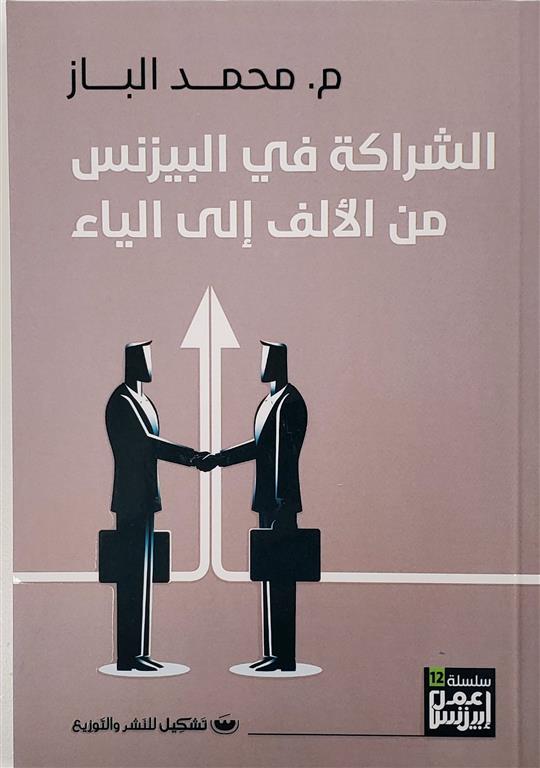
In this book, we will try to address the knowledge society through three main spaces: the Arab, the Gulf, and the Emirati, relying on data and numbers indicating the development of these spaces towards the knowledge society, without claiming comprehensive knowledge of all its aspects, as this matter requires extensive and more specialized studies. However, we seek to confirm an important issue, which is that the shift towards a knowledge society is no longer an intellectual luxury, but rather an urgent need that requires more plans, programmes, institutions, competencies and skills.
In our endeavor, we also show the position of the United Arab Emirates in its pursuit of a knowledge society, through many indicators, which confirm the great effort made by the political leadership towards developing various structures, in order to provide the potential for transformation towards a knowledge society, which, in our opinion, reflects the strategic vision. The state faces the necessities dictated by the processes of economic transformation into a knowledge economy.
Indian stories:
It is a story of the adventures of Hindi and her friends
These stories were written in a way that speaks to the mind and heart of the child, mixed with gentle educational and psychological messages, and with the template of adventures that are beloved for children.
Wooden Stacking Toys & Shape Sorting Board | Geometric Shape Stacker | Eco-Friendly & Non-Toxic Wooden Toy | Early Childhood Development Toys for Fine Motor Skills
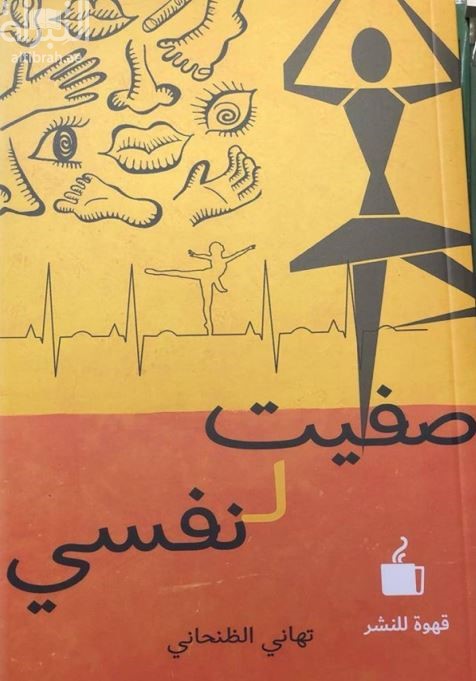
The hero of the novel “The Philosopher’s Dance” is a controversial strategic thinker. He worked and still is an advisor to an Arab leader. He took up his job after leaving Palestine on the run after he was accused of dealing with the enemy during wartime, namely Hezbollah.
This thinker or philosopher practiced political dancing. He theorizes democracy and secularism while working for a non-democratic, non-secular leader who supports extremism. He also believes in Arab nationalism and does not recognize Palestinian nationalism. He engages in a sexual relationship with his Israeli colleague (Tzipora), then continues the matter and justifies his actions. He describes it as resistance. He claims his love for his wife, Layal, and at the same time he lives with a Moroccan woman of Jewish origin during his stay in Britain. This woman plays a major role in the novel as a visual artist and has the ability to listen and remain silent.
The philosopher moves to reside in Britain and discovers an attempt to assassinate him by a Druze soldier who was working in the Israeli army. Here the novel sheds light on the reality of the Druze, accusing them and trying to do justice to them at the same time. The credit for thwarting the assassination goes to a man from southern Lebanon who runs a restaurant in London.
The philosopher receives a letter from a deported Palestinian who took refuge in Lebanon, asking him at the end: How do you feel in your homeland? The message affects him greatly, and he searches for the answer whenever he has the opportunity, and there are many opportunities, but he fails to answer. The question forms a basic pillar of the novel as well.
Although the novel is realistic, it does not follow an ascending ladder of events, and what lies within it is much greater than the events mentioned. The novel, as much as it is a novel of events and actions, is an intellectual novel, and here lies the difficulty of talking about it.