Synopsis of Flynn's novel, Willow Roots
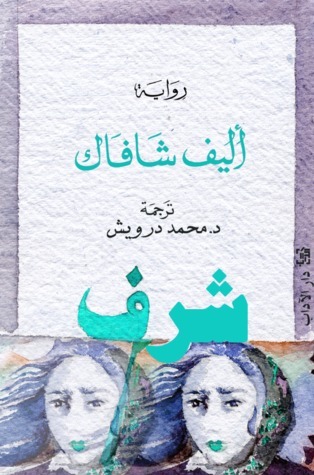
Flynn, the revolutionary slave, was born in the city of Khartoum during the Turkish era, bound by the ownership of slavery that he inherited from his parents, who were owned by the wealthy merchant Abu Al-Saud Agha. At the age of nine, his master's daughter, Khairiya, surprised him with a warm kiss. From his high balcony, his master watched the romantic scene, so he decided to teach his boy a lesson that he would never forget. He inspired Flynn's mother to prepare him for circumcision, so he castrated him. The eunuch slave grew soft in his master’s house, and the tragedy grew with him. He met Sisbana, the beautiful slave girl, the illegitimate daughter of his master Abu Al-Saud. Where a strong emotional relationship developed between them, it was like warm rain falling on a smooth rock. On his first romantic date, ugliness is revealed. Spiritual love, which transcends the desires of the flesh, triumphs when Sisbana clings to her love for Finn. Flynn decided to avenge his honor from those who had caused his misery (his master, Abu Al-Saud Agha, Al-Hakim Pasha, Mazhar Farhat, and Abdul-Khair, the slave owned by the Jewish merchant Isaac Levy). In a moment of sincere spiritual love, Sisbana inspired him to join the Mahdi armies that besieged Khartoum. With Sesbana's help, Flynn succeeds in escaping Khartoum and joins the rebel armies. There he met Sheikh Musa Abu Hajal, who refined his soul. Coincidence brings him together with his first prey, Abdul Khair, only to discover that he, like him, was a victim of the whims of his master, the gay Jewish merchant. Flynn enters the city of Khartoum with the revolutionaries to clear part of the debt stuck on the neck of Al-Hakim Pasha Mazhar Farhat in the hospital, where he meets his friend Morgan, who was falsely accused of killing General Gordon. But he fails to reach his love, Sisbana, and his arch rival, his master Abu Al-Saud, who fled to the city of Berber in northern Sudan. Flynn decides to join Prince Abdul Hamman Al-Nujoumi's brigade, heading north to chase Gordon's rescue campaign, which has reached the outskirts of the city of Berber. Sesbana falls into captivity and is taken in by the prince's lieutenant. She moves to live with him in the city of Omdurman, where she gives birth to a son whom she names Flynn out of love for her. Coincidence created Flynn at that moment and in the same place. After redeeming his religion from Abu Al-Saud, from among the willow bushes, Flynn witnessed the tragic scene clearly. The wooden boat is a burning mass of flame. Burnt bodies floated on the surface. A group of British soldiers boarded the boat. The child greeted them with two index fingers pointed at their chests. And immortal phrases (Boom, boom, die, die) like bullets that pierced their hearts. Flynn watched them pull the child out of the burning rubble. The looks exchanged between the thick smoke between Flynn and the child are like stray arrows that two lovers exchange, penetrating their hearts, exploding into a ball full of sincere sentimental feelings. A magnetic aura of attractive sensations and feelings fixed deep within the human soul with the pegs of human relationships. Flynn fell unconscious from the intensity of the explosion, while the English ship headed north with the young child on board. That scene remained stuck in Flynn’s mind, just as those phrases remained engraved on the wall of the mind of the little boy, Mustafa Wad Barbar (James Francis), like a tattoo of a Negro tribe that will never go away.
Time and power...
An imaginative fantasy inspired by the imagination, and some may believe that it is a projection of reality, but it is not so, even though our reality does not differ in some parts from the novel.
The names and characters in the novel are borrowed, and do not mean a person, but they are similar in the distant and recent past, and the events of the novel take place in a time frame that exceeds 160 years, in which the hero of the novel is exposed to a lot of injustice from those who have power. In his youth and during his studies, an influential person took advantage of his kinship to implicate him. In a case, even if his status is restored under the law, this remains a formality, as they can harm you even after your death.
He was also subjected to injustice when the woman who made an unjust claim against him reached the governor and turned the scales of the claim in her favor, because everyone sought to please her because of her connection to the head of the pyramid of power.
As the world turns to new media and social media, injustice returns again to the protagonist because someone with power and influence does not like Falih’s proposal or does not like him, and perhaps to please someone higher than him because he knocked on a door or someone who concerns him.
Saleh Al Jasmi.....
. لسنا هنا لنتاجر بأحلام بأحلامك لكن لدينا أسوأ كوابيسك. أخبرني يا صديقي هل سمعت عن الوحش الذي يلعب الغميضة مع أطفال تلك القرية؟ هل علمت بشأن جريمة القتل الغامضة التي حدثت في أحد الفنادق النائية؟
تنفتح رواية الكاتب العراقي سنان انطون «وحدها شجرة الرمان» (المؤسسة العربية للدراسات والنشر) بسردية حكائية بسيطة تفاجئك احياناً بانعطافاتها إلى صور حلمية فنتازية، متقطّعة بحسب خطوات السيناريو السينمائي، على مشهديات الموت الذي يلتهم قلب بغداد المحتلة، والذي يظل ماثلاً امام ناظري جواد الذي يمتهن غسل الأموات وتكفينهم، بعد ان تعلّم أصول المهنة ومبادئها وأسرارها على يدي ابيه. وهي مهنة توارثتها العائلة منذ زمن بعيد. غسل الموتى هذا كان يجري قبل الاحتلال الأميركي للعراق على رسله وطبيعته المعتادة. وبوطأة الحرب الضروس، والاقتتال بين ابناء البلد الواحد جماعات وأفراداً، ازدادت وتيرة القتل ازدياداً ملحوظاً، واتخذ شكل الموت ضروباً مروعة من التمثيل بالجثث والتنكيل بها، طعناً وخنقاً وحرقاً وبقراً وتقطيعاً. وقد وصل الأمر بجواد انه تبلبل واحتار بكيفية غسل رأس مقطوع بلا جثة، وجسد قُطّع بمنشار كهربائي غسلاً طقوسياً يفترضه الشرع الإسلامي قبل الدفن.