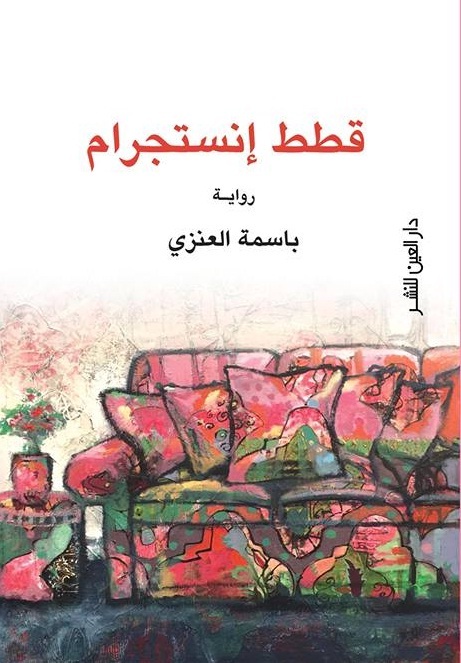
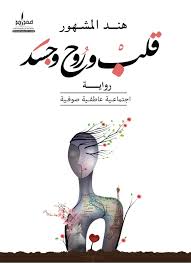
Like a serene scene trapped inside a crystal ball in an eternal moment of peace, the Syrian city of Homs appeared, calm and full of secret dreams.
It is crossed by a curious river that tries to rebel a little and break the dull, monotonous crystal, and it is called the Orontes.
Then the war came and the city was fragmented, and the butterflies flew with their dreams into the flames.
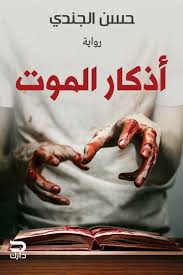
Every day of war passes, bringing with it dozens of stories worth telling. This novel takes us around the city, to learn more stories about it and its residents, a city that has become full of stories.
The story of a final basil seedling where Father France parked his old bike before he was killed. And the stories of library owners that were stolen.
A kiss from a friend that he printed on the glasses of (Wael Qastoun) after he wiped the bloody dirt from them
The mystery of the lover who covered the walls of the gloomy cemetery in Bouha (Lulu, I love you).
A sad hand under the rubble of a house that no longer exists.
There is no fair narrative in times of war, but the language remains an apology to the city
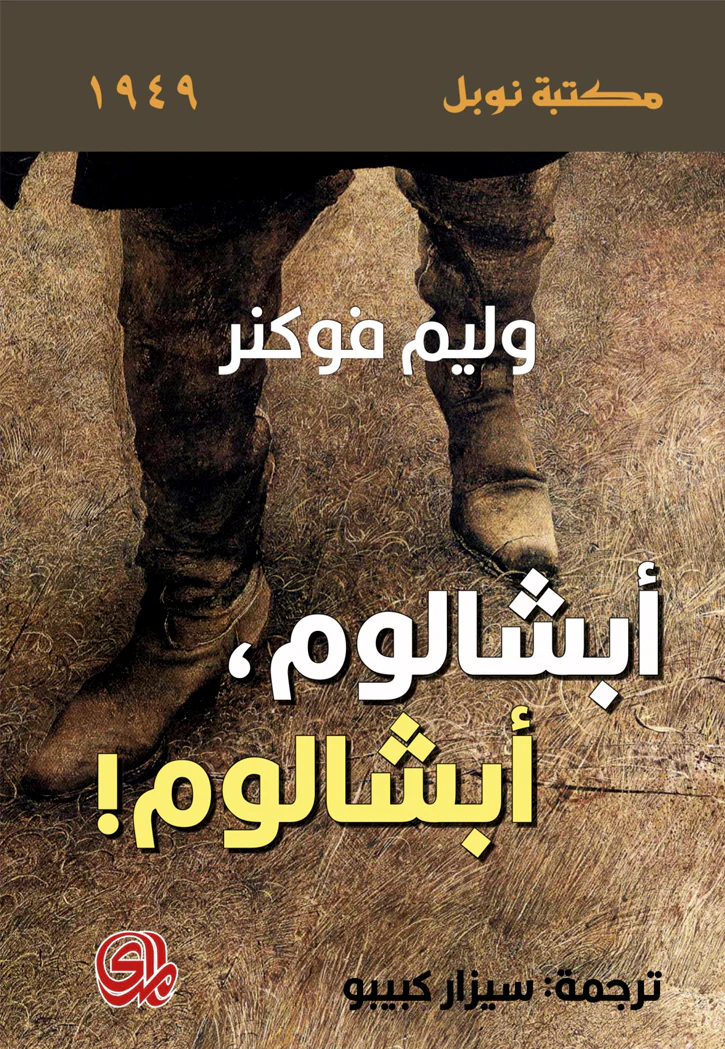
He was working in a sales company to support his family, which consisted of a father, mother, and sister. He worked to pay off his father’s debts that had burdened him. He is the “good son” as long as he performs his duty to the fullest extent, and any change in this is accompanied by anger, rejection, and neglect. In his workplace, which he found himself forced to live with, the state of domination and control by the chief of staff on the one hand is clearly evident, while on the other hand, it is matched by a state of subservience and submission on his part.
In fact, he has an unconscious desire to be fired from his job, but he fears for his family. From here arises a state of schizophrenia, as the two models of the cruel father and the boss represent the controlling authoritarian principle, and this is what arouses in him both submission and the spirit of rebellion.
He tried to follow the rules, to be a polite boy, to be rational as his boss described him at work... and between all these honest attempts, we find him completely losing himself, and he began to experience a surprising existential crisis!
Here he wakes up from his nightmares one day to find himself transformed into a disgusting “insect”!!
At first glance, he thought he was still dreaming, and amid the chaos and unreasonableness of the events, he needed conclusive evidence to confirm to him the veracity of the event, and this is what he got when he found his family shocked and terrified by the horror of the event. Then he realized the reality of the event and exclaimed, saying: “No, it is not a dream.” .
Synopsis of Flynn's novel, Willow Roots
Flynn, the revolutionary slave, was born in the city of Khartoum during the Turkish era, bound by the ownership of slavery that he inherited from his parents, who were owned by the wealthy merchant Abu Al-Saud Agha. At the age of nine, his master's daughter, Khairiya, surprised him with a warm kiss. From his high balcony, his master watched the romantic scene, so he decided to teach his boy a lesson that he would never forget. He inspired Flynn's mother to prepare him for circumcision, so he castrated him. The eunuch slave grew soft in his master’s house, and the tragedy grew with him. He met Sisbana, the beautiful slave girl, the illegitimate daughter of his master Abu Al-Saud. Where a strong emotional relationship developed between them, it was like warm rain falling on a smooth rock. On his first romantic date, ugliness is revealed. Spiritual love, which transcends the desires of the flesh, triumphs when Sisbana clings to her love for Finn. Flynn decided to avenge his honor from those who had caused his misery (his master, Abu Al-Saud Agha, Al-Hakim Pasha, Mazhar Farhat, and Abdul-Khair, the slave owned by the Jewish merchant Isaac Levy). In a moment of sincere spiritual love, Sisbana inspired him to join the Mahdi armies that besieged Khartoum. With Sesbana's help, Flynn succeeds in escaping Khartoum and joins the rebel armies. There he met Sheikh Musa Abu Hajal, who refined his soul. Coincidence brings him together with his first prey, Abdul Khair, only to discover that he, like him, was a victim of the whims of his master, the gay Jewish merchant. Flynn enters the city of Khartoum with the revolutionaries to clear part of the debt stuck on the neck of Al-Hakim Pasha Mazhar Farhat in the hospital, where he meets his friend Morgan, who was falsely accused of killing General Gordon. But he fails to reach his love, Sisbana, and his arch rival, his master Abu Al-Saud, who fled to the city of Berber in northern Sudan. Flynn decides to join Prince Abdul Hamman Al-Nujoumi's brigade, heading north to chase Gordon's rescue campaign, which has reached the outskirts of the city of Berber. Sesbana falls into captivity and is taken in by the prince's lieutenant. She moves to live with him in the city of Omdurman, where she gives birth to a son whom she names Flynn out of love for her. Coincidence created Flynn at that moment and in the same place. After redeeming his religion from Abu Al-Saud, from among the willow bushes, Flynn witnessed the tragic scene clearly. The wooden boat is a burning mass of flame. Burnt bodies floated on the surface. A group of British soldiers boarded the boat. The child greeted them with two index fingers pointed at their chests. And immortal phrases (Boom, boom, die, die) like bullets that pierced their hearts. Flynn watched them pull the child out of the burning rubble. The looks exchanged between the thick smoke between Flynn and the child are like stray arrows that two lovers exchange, penetrating their hearts, exploding into a ball full of sincere sentimental feelings. A magnetic aura of attractive sensations and feelings fixed deep within the human soul with the pegs of human relationships. Flynn fell unconscious from the intensity of the explosion, while the English ship headed north with the young child on board. That scene remained stuck in Flynn’s mind, just as those phrases remained engraved on the wall of the mind of the little boy, Mustafa Wad Barbar (James Francis), like a tattoo of a Negro tribe that will never go away.
عن ماذا يتحدث كتاب شبكة العنكبوت؟
رواية شبكة العنكبوت للكاتب أسامة المسلم - كتابك لبابك
يبدأن بالتساؤل عن امرأة غامضة ظهرت في حياة منى، مما يدفعهن لاكتشاف الكثير من الأسرار المرعبة التي تكمن خلف هذه الشخصية الغريبة. تتداخل الأحداث بشكل مثير ومشوق، مما يخلق توترًا وحماسًا , تنقلب حياة الفتيات رأسًا على عقب مع كل اكتشاف جديد، وتزداد الأمور تعقيدًا وغموضًا مع تقدم الرواية
Endless hordes of palm trees roll horizontally, regularly and lightly, behind a small human body, heading towards the village of “Al-Ghazala” to destroy it completely. While the residents of the village and its people live the horror of the last moments, awaiting their inevitable fate drawn by someone seeking revenge, there are pasts that unfold, events that appear, and stories that are reproduced to tell the story of two imaginary villages.
In a strange atmosphere, and the strangest relationships between the characters of his novel, “Ahmed Kamel” grapples with the idea of human helplessness, and delves into the worlds of secret desires, which people do not dare to announce or reveal.
“Mountain of Metaphors” is a novel that takes inspiration from the proverbs of villages in the Egyptian countryside, the beliefs of its people, and their fairy tales, to build its own myth.
ترجمت روايتها "دنيا زاد" إلى ثماني لغات وحازت على جوائز في مصر وفرنسا. كما صدر لها كتاب يوميات بعنوان "للجنة سور" (2009) تتناول فيه تجربة السفر والهجرة بين مصر ...