The chain of expression formation takes shape in the writer’s imagination, and emerges in the form of an interconnected fabric.
It reveals to us the ability of its writer to express...and expression is an art that only those who are able to convey to us what he expressed are good at.
The image (a snapshot) was not made fleeting by the camera... because it stopped its movement to preserve it in all its beauty and splendor...
Therefore, the image was a tool of expression other than the word... and between the word and the image (a snapshot) that the photographer took
With his artistic sense, he conveys it from his angle through his lens...and the writer documents it to convey its image in his letters...
There are many pictures that we have memorized from the angle of their photographer.. and many are the sentences whose reality we imagine
From the writer's letters... and between the word and the image was the soul of this book... which breathes through the lungs of the word and the image
In order for the spirit of expression to remain alive, stop at beauty and inhale its fragrance through its expression..
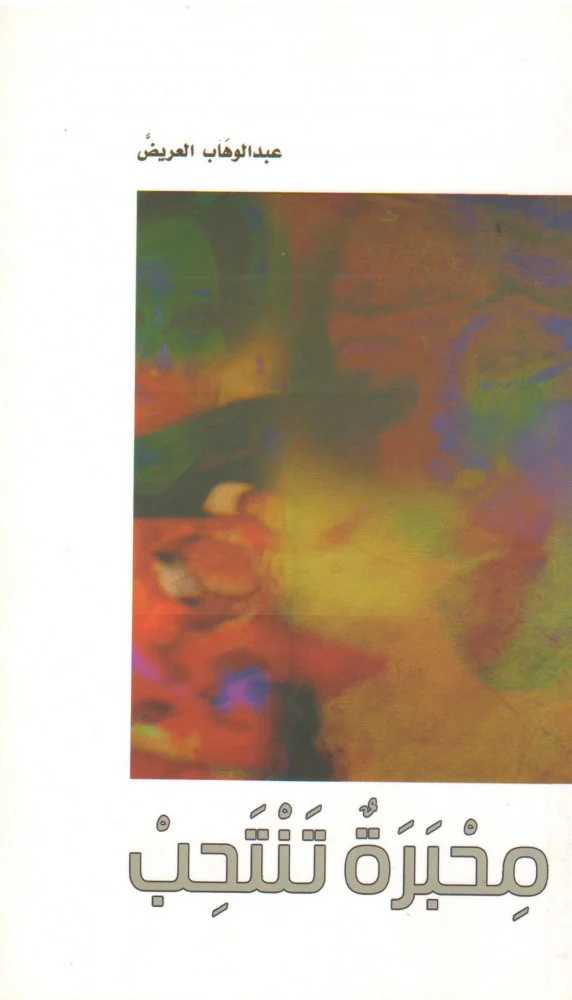
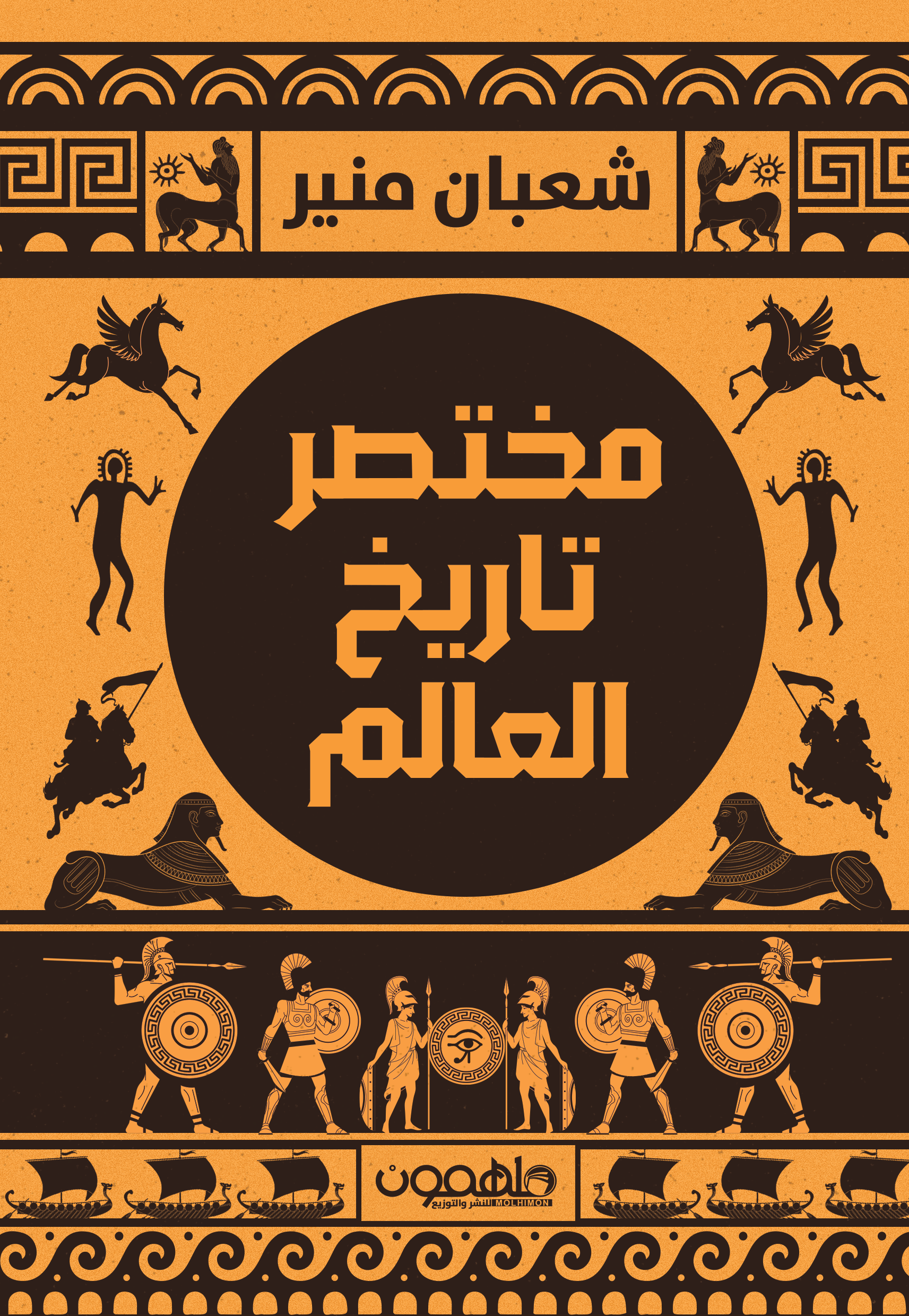
Mango summer:
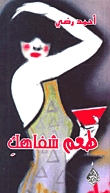
Mango Summer is a collection of 23 stories written in the style of reduction and condensation. A collection of mixed and complex emotions, a mixture of love, bewilderment, amazement, horror and sympathy
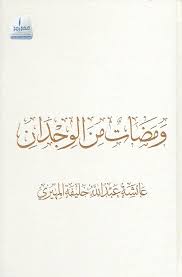
Flashes of conscience:
Pictures in the form of flashes emanating from the author’s conscience, which he shares with the reader to build positive energy within him, through motivational phrases, positive thinking, and moral psychological rules that enable him to overcome obstacles on the path of his life, fill it with happiness, and do the impossible to achieve success and happiness, and shine in dealing with others.
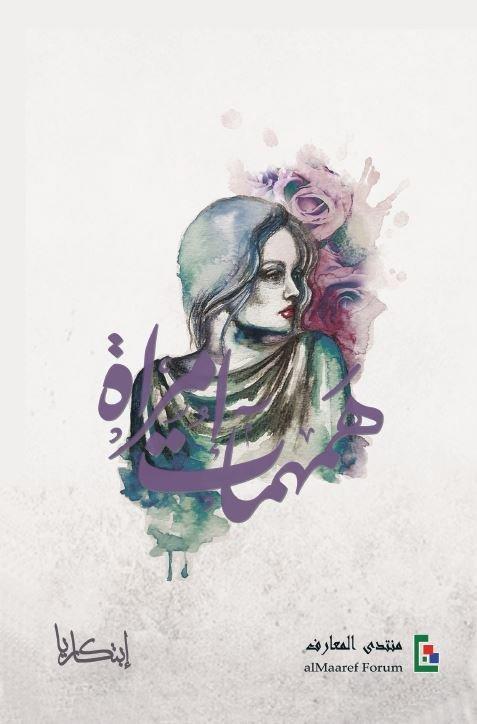
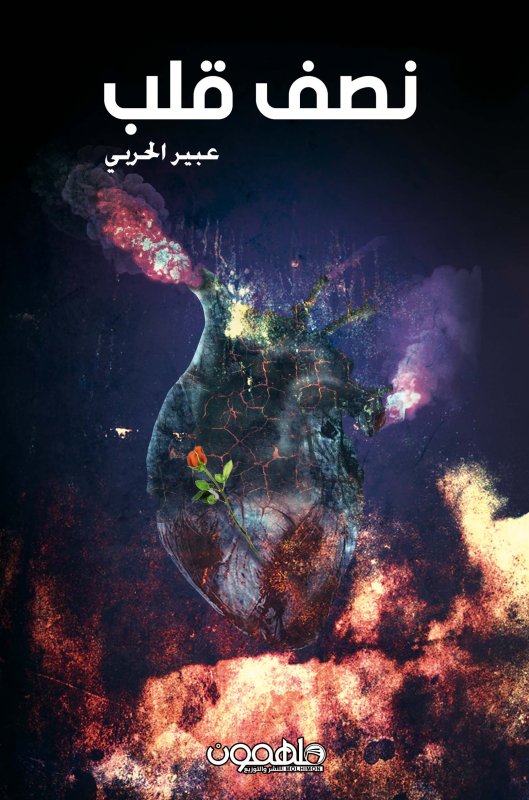
Pulses...give life meaning: Some of the pulses that pulsate human souls every day... give them determination and courage amid the battles of life, and provide them with a ray of light from the past, present, and future that makes them hope that what comes next will be more beautiful.