978-9933-641-97-9 Summer harvest seasons, the colors of rivers, fish and stones, the warmth of celebrations in a small village, a wheat field facing the ocean, and the gentle touch of a small octopus on a bare foot... images that Le Clezio conjures from his early childhood in the region. Brutani, breathing life into it, with a captivating narration, before moving on to tell about his first encounter with war, hunger, and anxiety in the city of Nice.
In this book, the French writer Jean-Marie Gustave Leclezio goes beyond recounting memories, to approach the war and its lasting impact on his childhood, trying to understand the mysterious void it leaves inside everyone who lived through it, and then deeply explains the cultural and historical nature of the “less fortunate” cities in France, It entangles you in love with cities you have never visited
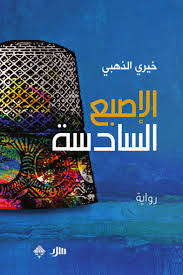
Misfortunes befall the Levant Sharif, the birth of strange children increases, drought and poverty prevail, and the attempt of Ibrahim Pasha and the apostles of the French Revolution who joined him to overthrow the state of the Ottoman Sultan is nothing but a sign of the imminent arrival of Satan, as the religious extremists see, trying to preserve the Levant Sharif, fighting the creation Newspapers and comics that encourage obscenity.
All of this is happening outside, while Arwa sneaks into Bernardo’s house and messes with a strange drawing of a complete being, carrying both masculinity and femininity.
In an interesting plot that combines imagination with history, myth, and folktales, Khairy Al-Dhahabi tries to read the effects of the French campaign in Syria, and monitors the return of theater to the Levant, discussing many problematic issues: myth, masculinity and femininity, and the Damascene people killing those who are gay among them.
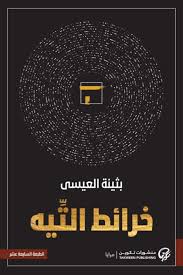
خرائط التّيه، هي حكاية صبيِّ السبع سنوات الذي فقدته أسرته في مكّة، أثناء موسم الحج، ورِحلة البحث عنه. سرعان ما تُسفر رحلة البحث عن الطّفل، عن رحلةٍ أخرى، وبحثٍ آخر، أعمق.. عن معنى الوجود، مفهوم الإله، وعلاقاتنا ببعضنا البعض. ماذا سيحدث للأسرة التي شدّت الرحال إلى الأرض المقدّسة من أجل الحج، ثمَّ خسرت كلّ شيء؟
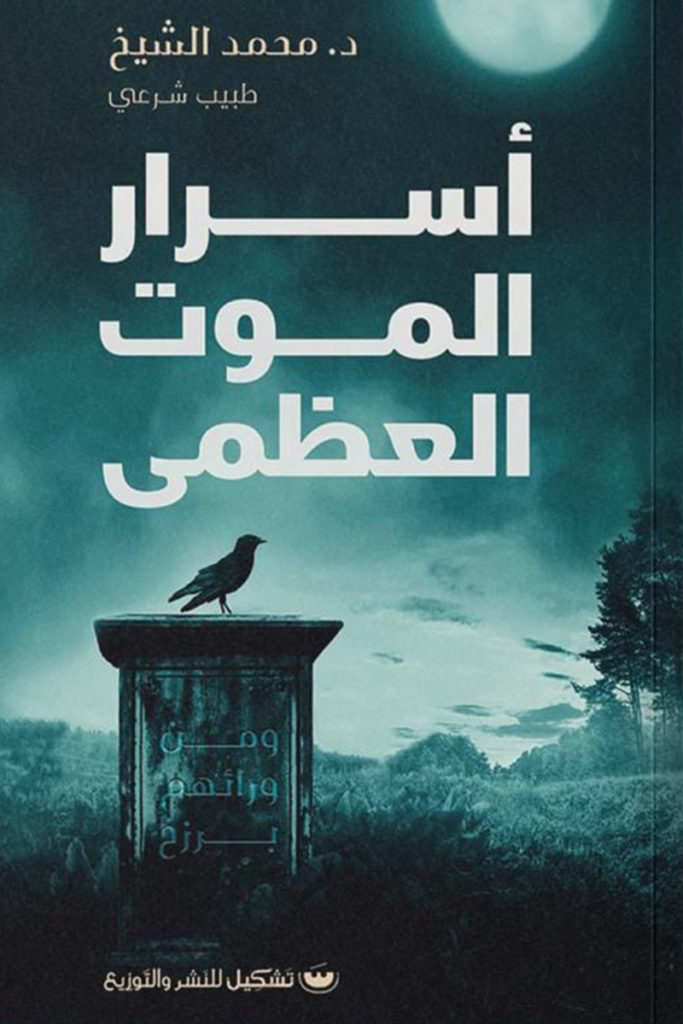
أسرار الموت العظمى بقلم د. محمد الشيخ ... هل يشعر الميت باقتراب أجله حقًّا؟! وهل يشاهدنا الميت ويسمعنا ونحن حوله ننعاه ونبكيه؟! كيف تُعرض الأعمال على الميت لحظة الاحتضار؟! كيف تهيم الروح في عالم البرزخ؟! وكيف يفنى الجسد؟! ما هو سر ليلة القبر الأولى؟! وما طبيعة الجينات اللي تنشط بشكل غريب بعد الدفن؟! هل يمر ميت الفجأة بنفس أعراض الموت التي يمر بها من تُوفِّي بعد مرض مثلاً؟! ماذا شاهد العائدون من الموت الوشيك... وكيف يعطي الموشك على الوفاة إشارات لمن حوله؟! و سر الأسرار... حسن الخاتمة كل هذا ستعرفه هنا - ما بين العلم و الدين - في العدد الأول من سلسلة أسرار الموت العظمى







-1724841549.jpg)