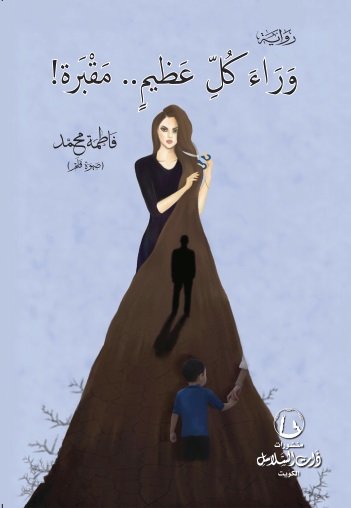
Everything happens for a reason
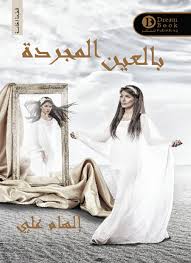
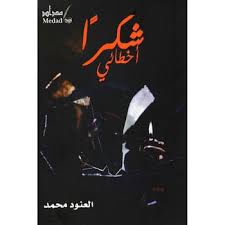
Three twin girls: “Amira”, “Malak” and “Maryam”. Their mother died after giving birth to them, then they separated after they were adopted by different families, each of them experiencing their own different battles in life, then they came together in their twenties to live together in one house. In the end, all the characters in the novel understand their lessons in life and why everything that happened in their lives happened, because everything happens for a reason and for the wisdom of God.
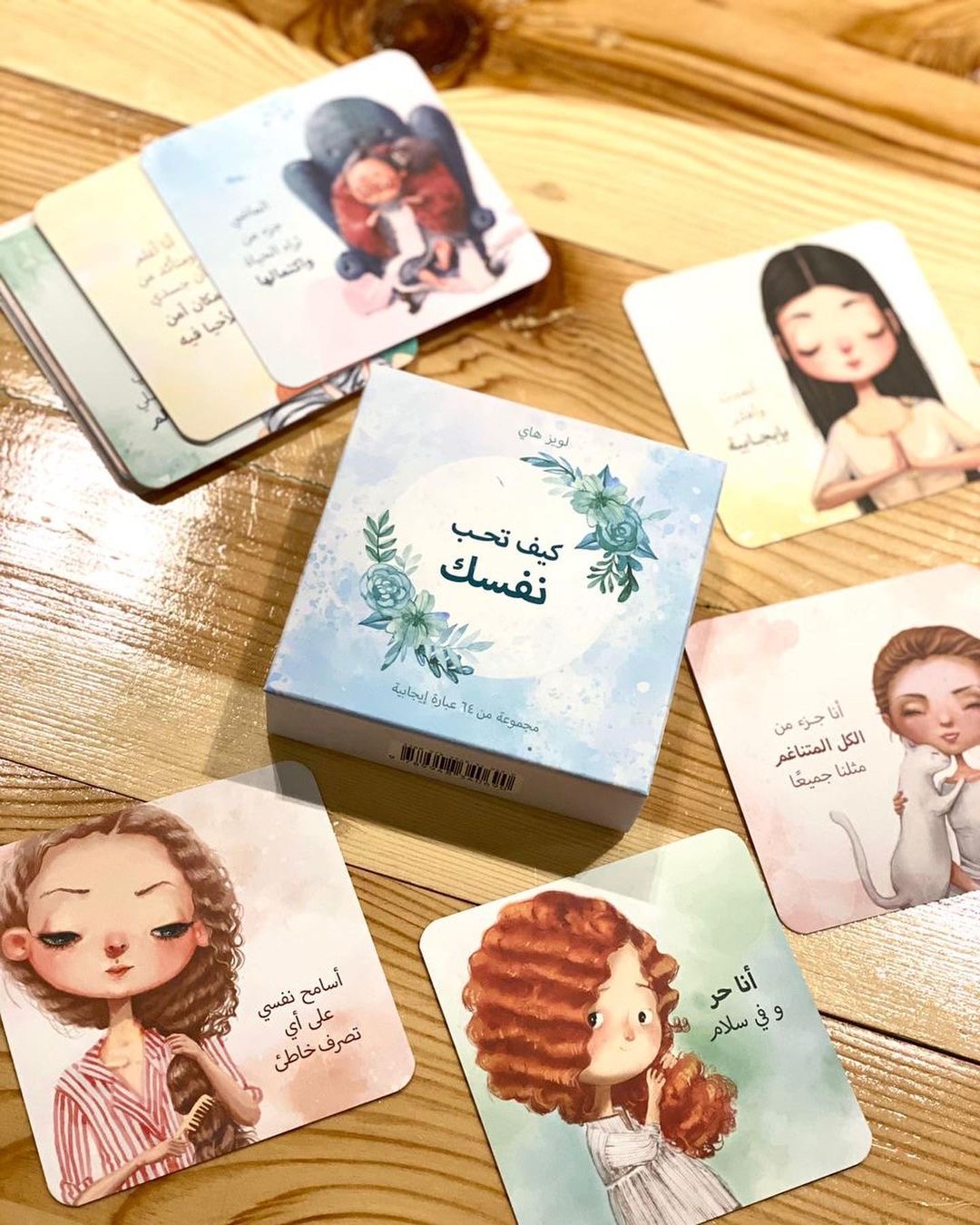
If we do not understand life's lessons for us...the same painful situations will continue to be repeated to us in the form of different people, forms, and situations, and we will continue to complain about our situation. Until we stop living the role of the victim and take responsibility for our lives and our choices in them, we understand why what happened to us happened and what was the wisdom behind it all? Only then will we stop playing secondary roles in other people's stories, and we will be the heroes of our own story
وإن كُنّا ملائك ولسنا ملائكة.. وما عبدنا إلا الواحد الأحدوإن في هذه الدنيا أجناس ..نفوس تهيم بلا جسدوإن سيرتنا قد أنورت وأبهرت.. في كل أسطورة عاشت إلى الأبدوأن هذا أوانها لنحكيها ونسردها ... فتبلغ كل ذي عقل ورشد
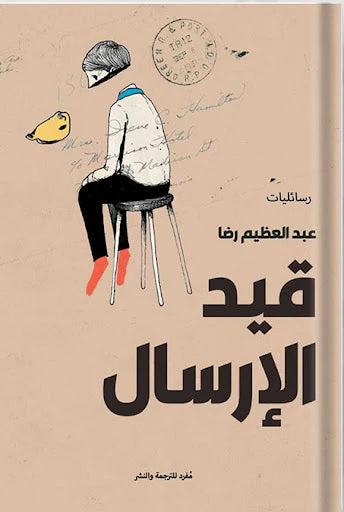
Life is a drama, and drama is a drama within this drama, and most of it talks about this drama that emerges from it, and the process of acting is the enemy of this drama. The more we are honest in presenting this drama, and the more we are spontaneous, the more we seem real, and the exact opposite is true. When you look like you are acting, you will be closer to failure, and farther away from the audience’s love. Even a clown must clown with sincerity and spontaneity that makes him appear real. Our example is Charlie Chaplin, who used clown tools in all his roles that people know, and the audience interacted with the humanitarian issues that he raised and sympathized with them. .
We all know that what is presented on the screen are nothing but events that have no basis, so we think, but why do we follow them if we believe that? We follow it because we are in fact the heroes of this drama: its author, director, actor, and the rest of its makers speak in our name, act for us, and represent us at the same time, and when we follow them we are watching ourselves, or details from it.
This collection presents a group of stories that attempt to approach the worlds of drama in one way or another, in writing and acting.
John is assigned a strange mission: to investigate the truth about a rare love story in the ocean country. But he soon noticed that the country he came to had no children. Little by little, the truth is revealed to him that people are afflicted with a strange disease that is leading them to their end. The women revolt and the authorities confront them by denying the problem, and a brutal war breaks out, the smallest details of which are recorded by John in his report, while he continues to search for the alleged love story, but what will happen when he discovers the only man who has not been infected with the disease? In "The Women Who...", one character breathlessly delivers the story to the other, thus building the architecture of the novel that presents, within the folds of its strangeness, imagination, and unreality of its events, a legendary story, but it is verifiable in our real world.
.. اعتنى الكثير من المؤرخين بترجمة سيرة الصحابي الجليل «أبو بكر الصديق» فلم يعد هناك الكثير مما يقال عنها، وقد أدرك العقاد هذا الأمر فجاء كتابه عن الصديق مختلفًا؛ فقدم دراسة نفسية تحليلية لشخصية الصديق ليتعرف على صفاته وسماته الشخصية ويستنبط بواعث سلوكه، فيسوق العقاد الأخبار والحوادث التاريخية لا ليعرضها هي نفسها بل ليضع يده على مفاتيح شخصية الخليفة الأول من خلال تعاطيه مع الأحداث وتعامله مع الناس. كما يقترب من بيئته وحياته قبل الإسلام وبعده وظروف إسلامه، ثم يعقد المقارنة بينه وبين «عمر بن الخطاب» ليظهر الفروقات بين شخصياتهما وطباعهما، كما يقدم جوانب من إدارته لشئون الخلافة في الدولة الإسلامية الوليدة وكيف تصرف تجاه الأزمات التي كادت أن تعصف بها.