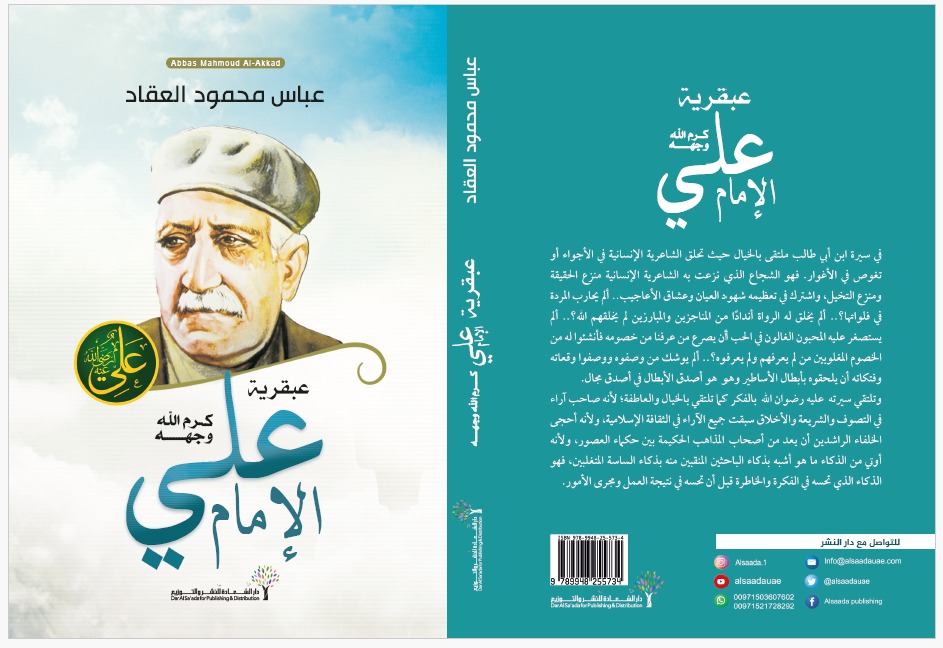
بَرَع «عباس محمود العقاد» في تناول شخصية الإمام «علي بن أبي طالب»، فقد جعل محور العرض هو مناحي النفس الإنسانية، إذ استخلص من سيرة الإمام ما يلتقي وخصائص هذه النفس الإنسانية عنده. ففي سيرته مُلتقى بالعواطف الجيَّاشة والأحاسيس المتطلعة إلى الرحمة والإكبار؛ لأنه الشهيد أبو الشهداء، ومُلتقى بالفكر؛ فهو صاحب آراء فريدة لم يسبقه إليها أحد في التصوف والشريعة والأخلاق، ومُلتقى مع كل رغبة في التجديد والإصلاح، فصار اسمه عَلمًا على الثورة. كما عَرض الكاتب لطهارة نشأته، ونقاء سريرته، وعلوِّ هِمته، وقوة إرادته، وغزارة علمه وثقافته، وروعة زهده وحكمته، وصدق إيمانه وشجاعته، وثباته على الحق ونصرته، وتضحيته في سبيله بروحه، فقدم عَرضًا وافيًا كافيًا يجمع بين دَفَّتَيْ هذا العمل سيرة رجل من أعظم من أنجبت المدرسة المُحمَّدية.
عقل كامل جديد: لماذا سيحكم المبدعون المستقبل هو كتاب لدانيال إتش بينك. يفترض الكتاب أن مستقبل العمل العالمي ينتمي للمبدعين. نشر الكتاب من طرف كتب رايفرهيد
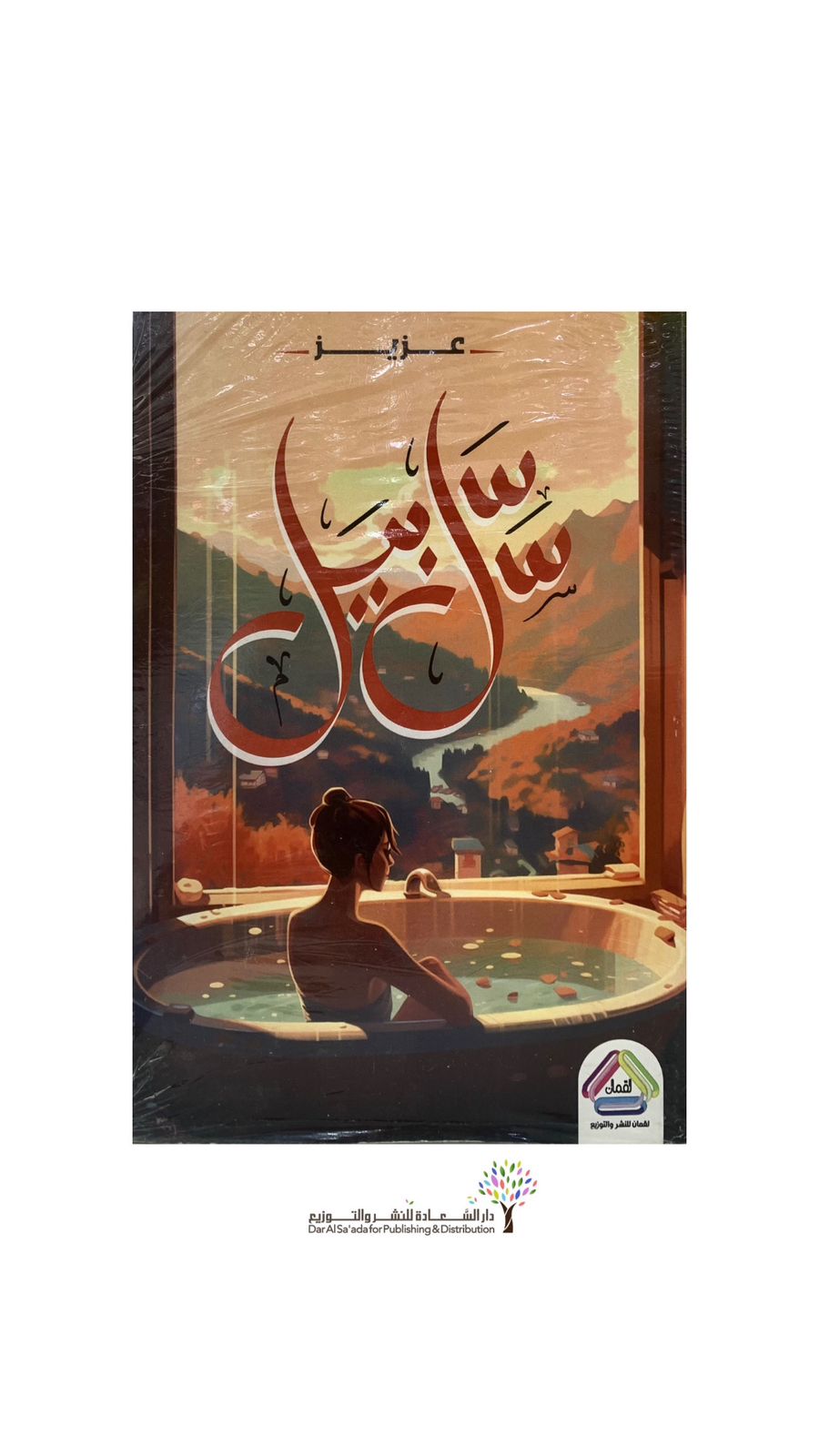
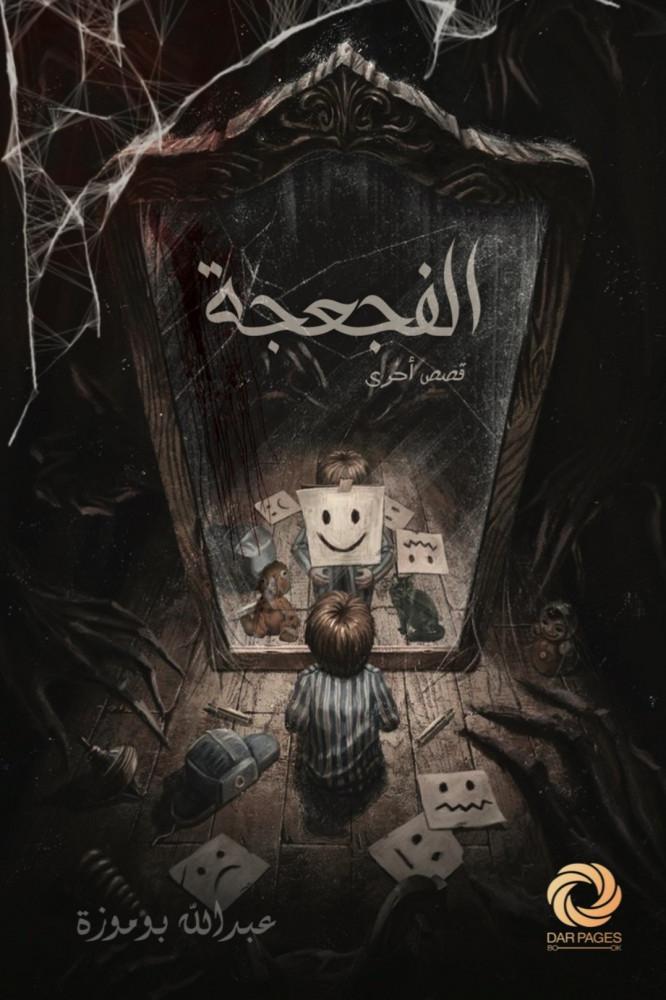
وتروي السلسلة مجموعة من القصص الواقعية على لسان طبيب نفسي يعمل في إحدى المستشفيات تتعلق بمرضاه المختلفة حالاتهم، لاسيما الفتيات منهم، ساردا أغرب الحكايات التي يبدو بعضها أقرب إلى الجنون من المنطق!
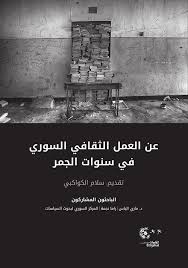
The book was published in cooperation with Ettijahat Foundation - Independent Culture.
It includes the book presented to him by the Syrian political science researcher Salam Al-Kawakibi, Chairman of the Board of Trustees of the “Ettijahat” Foundation. Independent Culture,” on 253 pages, and contains three papers, the first of which deals with: “Cultural Mechanisms and Cultural Production in a Period of Crisis.” Syria, Iraq and Lebanon,” prepared by academic researcher Dr. Mary Elias. The second research deals with: “The role of culture and arts in achieving reconciliation and civil peace in countries that witnessed violent conflicts,” completed by researcher Rama Najma. While the third research, which was completed by the “Syrian Center for Policy Research,” touched on “developing cultural structures in Syria.”
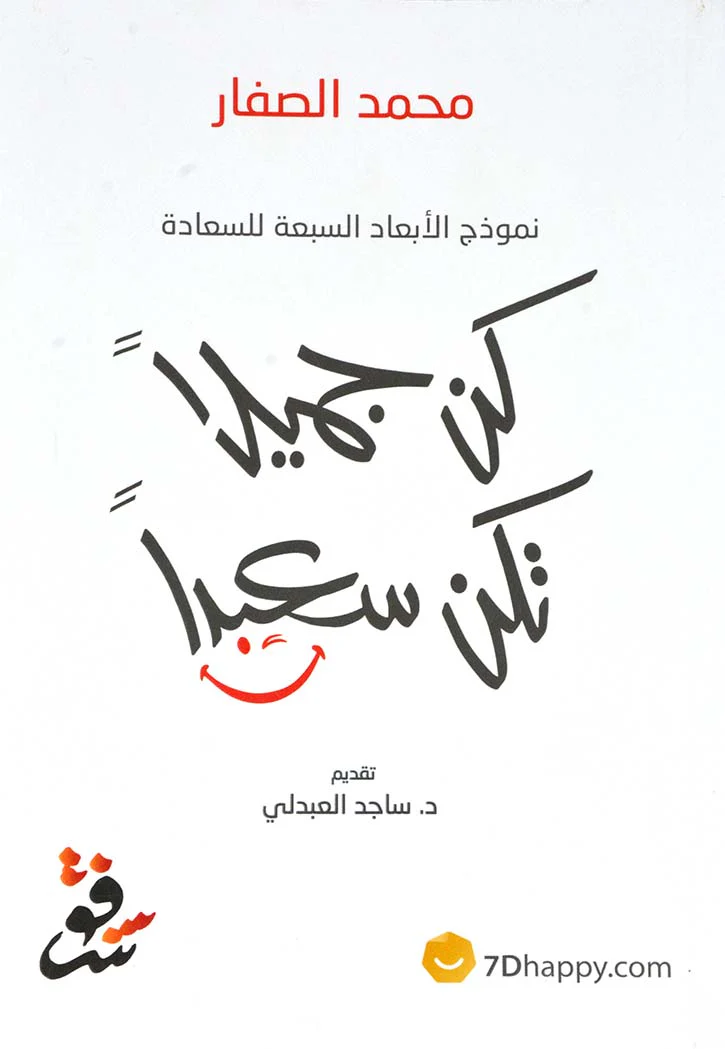
هذا الكتاب الذي سيأخذك من خلاله الكاتب، في رحلة تغوص عميقا في فلسفة ومفاهيم ومعاني السعادة، يتكون من ثلاثة أبواب مفصلية، أراد لها المؤلف أن ترسم المسارات العامة ...






/ قصة (بنات بليس)-1718331138.jpeg)