The book is a story for children aged 12 to 15 years From the life, achievements and genius of His Highness Sheikh Mohammed bin Rashid Al Maktoum, Vice President and Prime Minister, may God protect him... It combines science fiction... and the contemporary reality of His Highness’s achievements... and sheds light on the Emirates Space Project and the Sheikh Mohammed bin Rashid Space Foundation and their most important achievements.
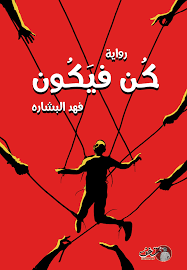
كن فيكون رواية للكاتب فهد البشارة تشاء انت من الاماني نجمة ويشاء ربك ان يناولك القمر عندما يشاء الله لا قيمة لقوانين الحياة عندما يشاء الله لا وزن لتدابير ..
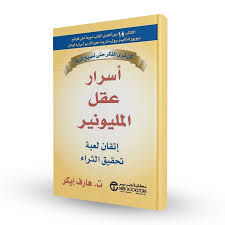
تضمن الكتاب كثيرًا من المبادئ التي أعطت للعنصر العقلي بُعدًا أساسيًا فيما يتعلق بالوضع المالي للأفراد، ورغمَ خروجها عن المألوف قليلًا، قوبلت نظريات Ekerl بقدر كبير من التصديق والإقرار بصحتها، ومرد ذلك إلى أنها مستمدة من طلب تجربته الشخصية ونجاحه في الانتقال من الفقر إلى الثراء في زمنٍ قياسي، (أسرار عقل المليونير) واحد .