Zarb Al-Dabsh...
The Emirati writer, Juma Al-Laim, takes us to the world of Emirati heritage, in his novel recently published by Madad Printing and Publishing House, where he takes us between his lines to the old Furjan of Sharjah, in a narrative attempt to restore some of the images that are filled in the Emirati popular memory, about the period that witnessed the beginnings of transformation. Change and reform, and the period after the establishment of the United Arab Emirates, which embodied the aspirations of the people of the Emirates for a dear and civilized homeland.
In his novel, the writer focuses on the main hero in it, who is Abdul Rahman, and some of the contradictions and challenges that he experienced, like other young men at that stage, dealing in an interesting narrative style with social issues, such as the negatives that were prevalent in dealing with women, in terms of giving them the right to education, and obtaining... Its rights, many of which it was able to achieve, most notably education under the Union State.
It also brilliantly depicts the lifestyle that characterizes Emirati society, and the values and moral principles on which the people of the Emirates grew up, through the dialogues of the novel’s heroes, which embodied the image and features of that important stage in the history of the Emirates.
In his novel, the writer deliberately used the names that existed in that beautiful time, such as Zarb Al-Dabash, Al-Farij, Al-Mrayhana, Al-Saray, and other names that take us back to that beautiful time, full of kindness and simplicity, especially that intimacy and social solidarity that seems prominent in the novel. The lines of the novel, which are deservedly considered an evocation of the past in a brilliant narrative style, in which the writer depicts in words the details of social life, in the Emirates, and in Sharjah in particular.
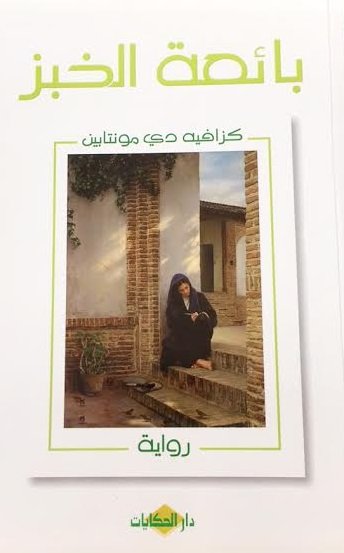
تتحدث الرواية عن بائعة الخبز "جانيت فورتيه" ضحية الفجور والفسق، الهاربة من السجن بسبب جريمة لم ترتكبها لتبحث عن أبنائها. تصور الرواية المشاكل الاجتماعية والاقتصادية والقانونية في المجتمع، اضافة إلى اظهار أثر الظلم والفقر الذي يتعرض له السواد الأعظم من الناس.












-1718347879.jpeg)