فهذا الكتاب من أجلك، لمواجهة المعتقدات التي تعوقك. مهما كان ما تريد أن تكون جيدًا فيه. يمكن أن تساعدك العقلية الصحيحة على تحقيق أحلامك. أعلمُ أنه يمكنك ...
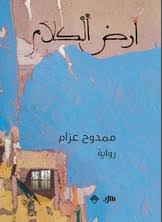
During the unity between Syria and Egypt, the people of a small village in southern Syria submit a request to the region’s directorate about their desire to establish a public library. This request raises the astonishment of the authorities, as how can a village where most of its people have left due to drought, famine, and the approaching famine want paper instead of paper? the bread?!
With a circular narrative that begins with the submission of a purchase order and ends with the bookstore’s mysterious disappearance, the stories reproduce one after another, creating the novel’s grand narrative: the story of the desire for knowledge and imagination.
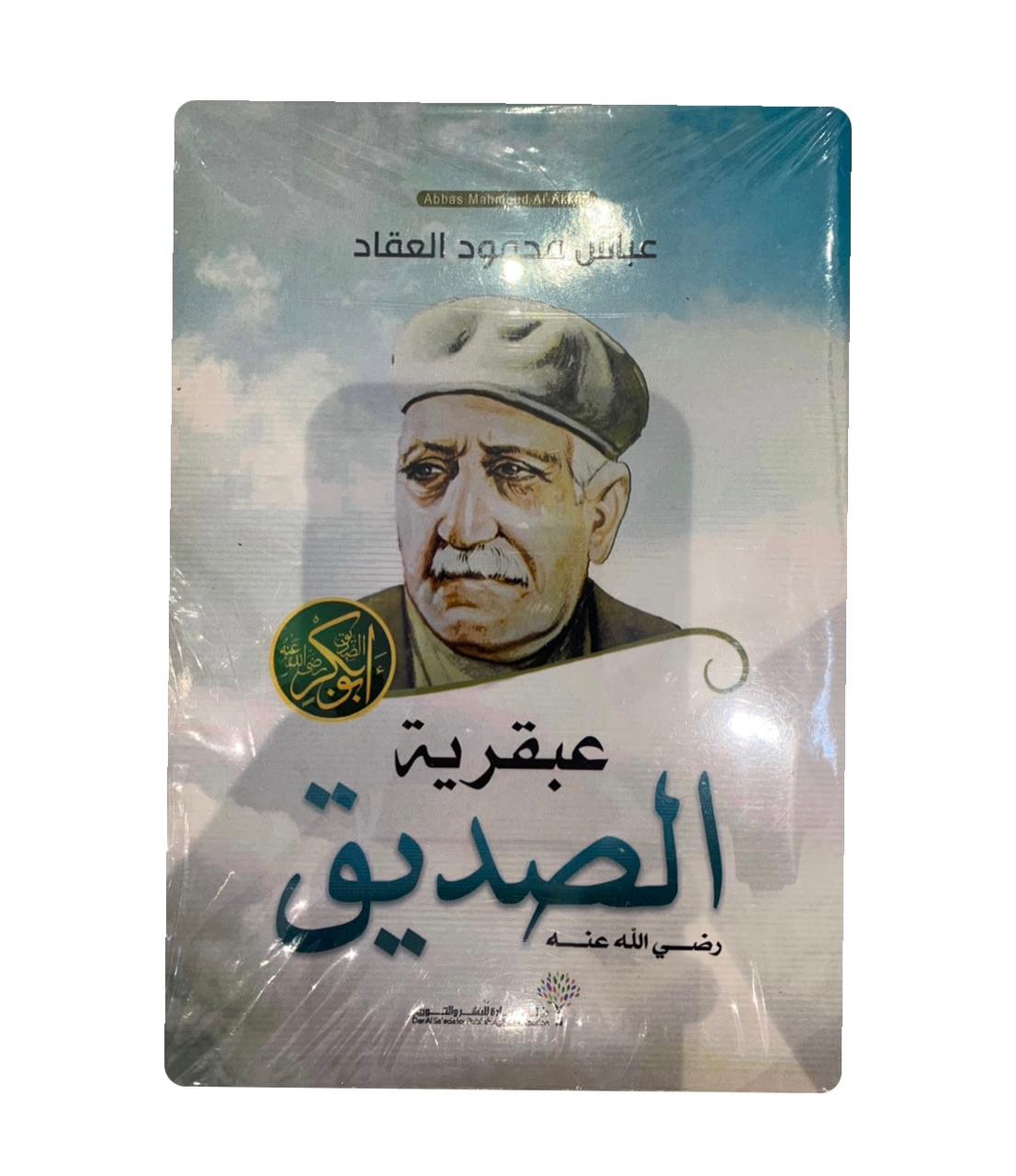
... احتفى التاريخ العربي بالسيرة المُحمدية؛ فأفرد لها المجلدات الطوال، التي ذكرت أحداث ميلاد ونشأة النبي؛ وقد أسهبت في تناول أحداث حياته من المولد حتى الوفاة بتفاصيل كثيرة مُعززة بالأسانيد ومغرقة في تفاصيل الأحداث وتواريخها؛ ولما وضع العقاد هذا الكتاب لم يكن هدفه عرضًا جديدًا للسيرة المحمدية بل أراد إبراز ملامح عبقرية النبي الإنسان الذي اصطفاه الله بظروف مُختارة صَقَّلت شخصيته، وبقدرات إنسانية فذَّة مكَّنته من الاضطلاع بحمل الرسالة. كما يقدم لنا جوانب من حياة الداعي الرحيم، الرفيق بقومه، والعالم بما يصلح لهم، فكان القائد العسكري النبيل، والسياسي المحنَّك الذي استطاع كذلك أن يدبر أمور دولة الإسلام الوليدة بمهارة، كما يقترب من صفاته الإنسانية فهو الزوج العطوف والأب الحنون رغم جسامة المهمة التي لها أرسل.
.. اعتنى الكثير من المؤرخين بترجمة سيرة الصحابي الجليل «أبو بكر الصديق» فلم يعد هناك الكثير مما يقال عنها، وقد أدرك العقاد هذا الأمر فجاء كتابه عن الصديق مختلفًا؛ فقدم دراسة نفسية تحليلية لشخصية الصديق ليتعرف على صفاته وسماته الشخصية ويستنبط بواعث سلوكه، فيسوق العقاد الأخبار والحوادث التاريخية لا ليعرضها هي نفسها بل ليضع يده على مفاتيح شخصية الخليفة الأول من خلال تعاطيه مع الأحداث وتعامله مع الناس. كما يقترب من بيئته وحياته قبل الإسلام وبعده وظروف إسلامه، ثم يعقد المقارنة بينه وبين «عمر بن الخطاب» ليظهر الفروقات بين شخصياتهما وطباعهما، كما يقدم جوانب من إدارته لشئون الخلافة في الدولة الإسلامية الوليدة وكيف تصرف تجاه الأزمات التي كادت أن تعصف بها.
Khaled is a young man in his thirties who graduated from the College of Fine Arts. He failed to travel from his city of “fairies,” which was closing in on him from all sides, so he had no choice but to work as an employee in a bookstore, through which he practiced an additional, secret job in which he sold his works of fiction. Life would have gone better if one could keep the secret, but as Faraj, Khaled’s father, says: “No matter how much you hide it, the secret will wake up inside you one day, and then it will continue to burrow into your soul until it is released to the world.” Thus, Khaled’s choices in life soon put him in the face of “Khalil Nayef,” a lawyer with wide influence who wants to enter the world of writing.
Within a suspenseful context and a rapid pace, Tamim Heneidi dives into the scenes of the relationships between writers, publishers, and bookstore owners, and sheds light on the way in which culture may be used to polish the image of the political class created by the war. But can books perform a task like this?
Black peacock:
A novel centered around the methods used by political organizations, particularly ideology, to create their individuals who are assigned special roles and at planned times. The social and psychological conditions that the main character in the story goes through are exploited and employed skillfully by the organization to perform their roles efficiently in the future.
The black peacock is a very complex human condition. It appears within the text with different masks and at multiple stages of time. According to this condition, its owner is forced to wear masks that suit every stage of his life and are consistent with the role assigned to him within a long path that was mapped out in advance while he was still young. The novel presents its mysterious main character in two parallel narrative lines, once in the mirrors of others and again in an internal monologue of the same character as she struggles with death on the surface of the river.
The story begins with the story of the mysterious advisor Taj al-Din, one of the leaders of the Islamic movement and one of the mysterious influencers in government, and his strange, transforming personality, with many confusing masks, to delve into the details of a long period of modern Sudan’s life extending from the seventies of the last century, from the years of Nimeiry’s rule and extending To the beginning of the new century, filled with many events that changed the course of political events in the country.
The name of the novel is taken from an adjective given to its secret hero, Adam, when he was thirteen years old when he was serving his sentence in a juvenile facility for killing his mother, her husband, and their son. At this stage, the organization pays attention to Adam's personality and his tendency to violence, and is preparing for the years in which Islamists will rule the country. The novel presents the main character from two angles: as a perpetrator who trapped many victims, and as a victim who was deceived and fell into the trap of violence.
Adam is transformed by the game of masks into Ammar Al-Barakas, Shaker, Taj Al-Din, and many other names. Thanks to it, and thanks to his deep culture and exceptional abilities, he became one of the arms of violence that the authorities exploited to discipline their opponents during the third democracy period, which lasted between the years 1986-1989, and then used it in its multiple wars in South Sudan. And Darfur, which the alleged advisor himself admitted in his narration of his memories in a personal monologue during his struggle with death.
The novel begins with the scene of the enigmatic and enigmatic man (Taj al-Din) moving to the Burri neighborhood, located east of the capital, Khartoum, close to the shore of the Blue Nile, where he kept his distance from his neighbors until the moment his death was announced in the plane accident, without any reference to his name among the missing. The question mark over the man's fate haunted the imagination of his chance neighbor and former companion during his university days, Judge Al-Naim Darraj. He is provoked by the story of the man who wore different masks, so he travels the country in search of the turning point in the path of the mysterious man before he solves all the mysteries in the end.