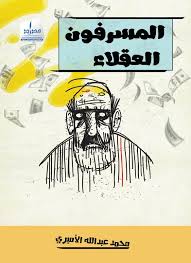
The book addresses some of the financial issues prevalent in our society in a short collection of true stories to educate and educate individuals. It begins with a conflict between “reason” and “society” over the group of creditors drowning in a swamp of debt, where “society” ignores the circumstances of that group while “reason” goes on a short trip to find out their stories and what their circumstances are, then offers solutions to the creditors, and benefits from the experiences of those who survived them in order to prove Society has the idea that these individuals are capable of change and emerge from the darkness of debt into the light of success, eventually calling them “reasonable spendthrifts.”
Bubble Theory with the Pillars of Life / Enhance your skills to continuously develop and live happily
50 AED
50 AED
0 Reviews0 sold
Product Details :
Bubble theory: Overcome Life's Challenges with Bubble Theory: Your Comprehensive Guide to Overcoming Personal and Professional Obstacles. Do you always find yourself in a maze of challenges, whether personal or professional? Are you seeking to master the art of overcoming complex challenges in life? Look no further. "Bubble Theory" is a guide carefully designed to provide you with the tools needed to confront and achieve success in life's diverse challenges. *Why the “bubble theory”?* Imagine your life as a complex network of bubbles, each bubble presenting a unique challenge. Some are small and manageable, while others are more difficult. At the heart of these bubbles lies the greatest challenge of all: life itself. This book delves into the strategies and life skills you need to burst those bubbles, and turn challenges into stepping stones.
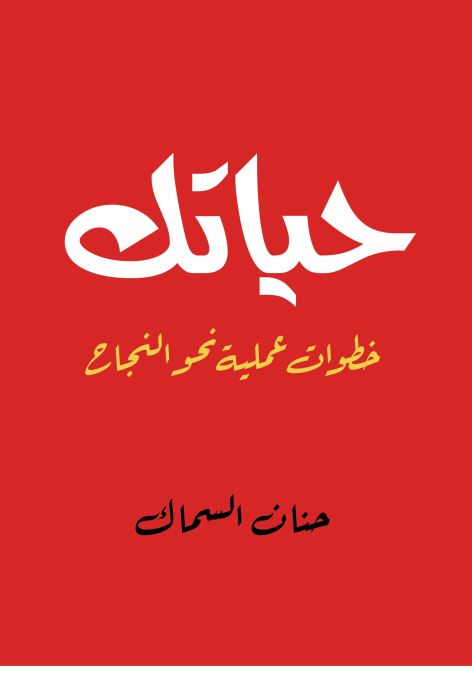
كتاب "حياتك" هو نصّ تحفيزي يحتضن القارئ بلغة قريبة من القلب، بصيغة يوميات أو “حديث الرفاق” في جلسة ودٍّ ومحبة. هو لا يقدمك إلى ذاتك من خلال أسلوب تقليدي، بل بطريقة صادقة، وكأن الكاتبة تجلس بجانبك وتهمس لك بهدوء: "احيا تجربتك بحماسة، فأنت تستحق الأفضل