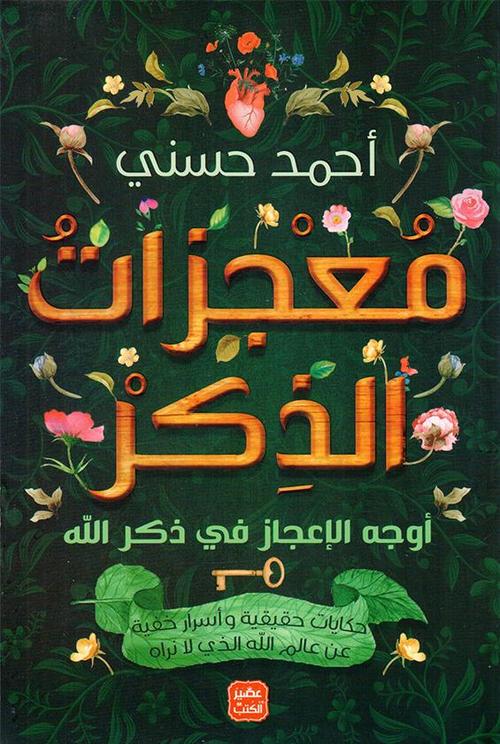
إن العلم بأسماء الله تعالى وشرحها من أشرف العلوم التي كرمنا الله بها، ومعرفتها ضرورة ترفع قيمة الإنسان وتورثه فسيح الجنات، فمن عرف الله فقد عرف كل شيء، ومن لم يعرفه فقد جهل كل شيء حتى نفسه. أما هذا الكتاب فيعتمد على التكثيف والتركيز ويقدم لنا شرحاً مبسطاً ووافياً لكل اسم من أسمائه تعالى ودلالته، ويختم كل اسم بدعاء مستفاد منه، كما يبين فضل معرفة أسماء الله والعلم بها وفوائدها وأقسامها والمعاني المستفادة منها، ويقدم بعض التمارين التي تساعدنا على تجاوز صعوبات الحياة. فالهدف من هذا الكتاب هو تبسيط المعلومة للقارئ ليعيش الخلافة على الأرض بما يليق به وذلك عندما يدرك صفات الله سبحانه وأسماء. ويفعلها
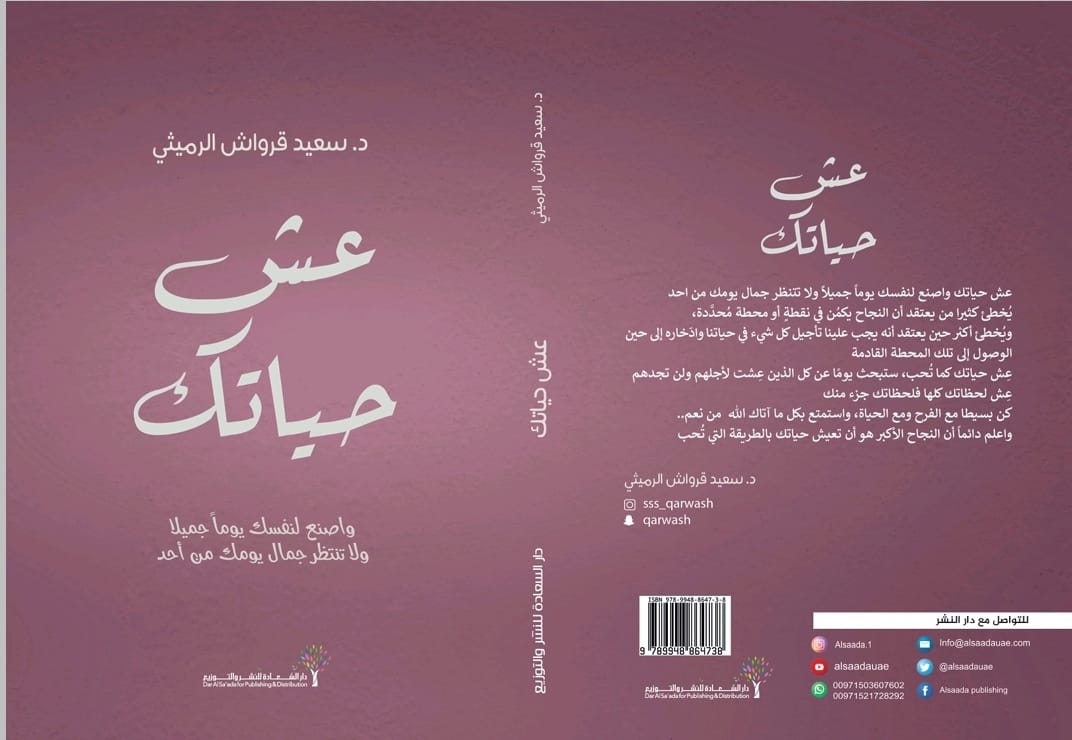
اقتباسات كتاب "دروس من الحياة". إنكم سعداء ولكنكم لا تدرون، سعداء إن عرفتم قدر النعم التي تستمتعون بها، سعداء إن عرفتم أنفسكم واستمتعتم بالمخزون من قواها، سعداء
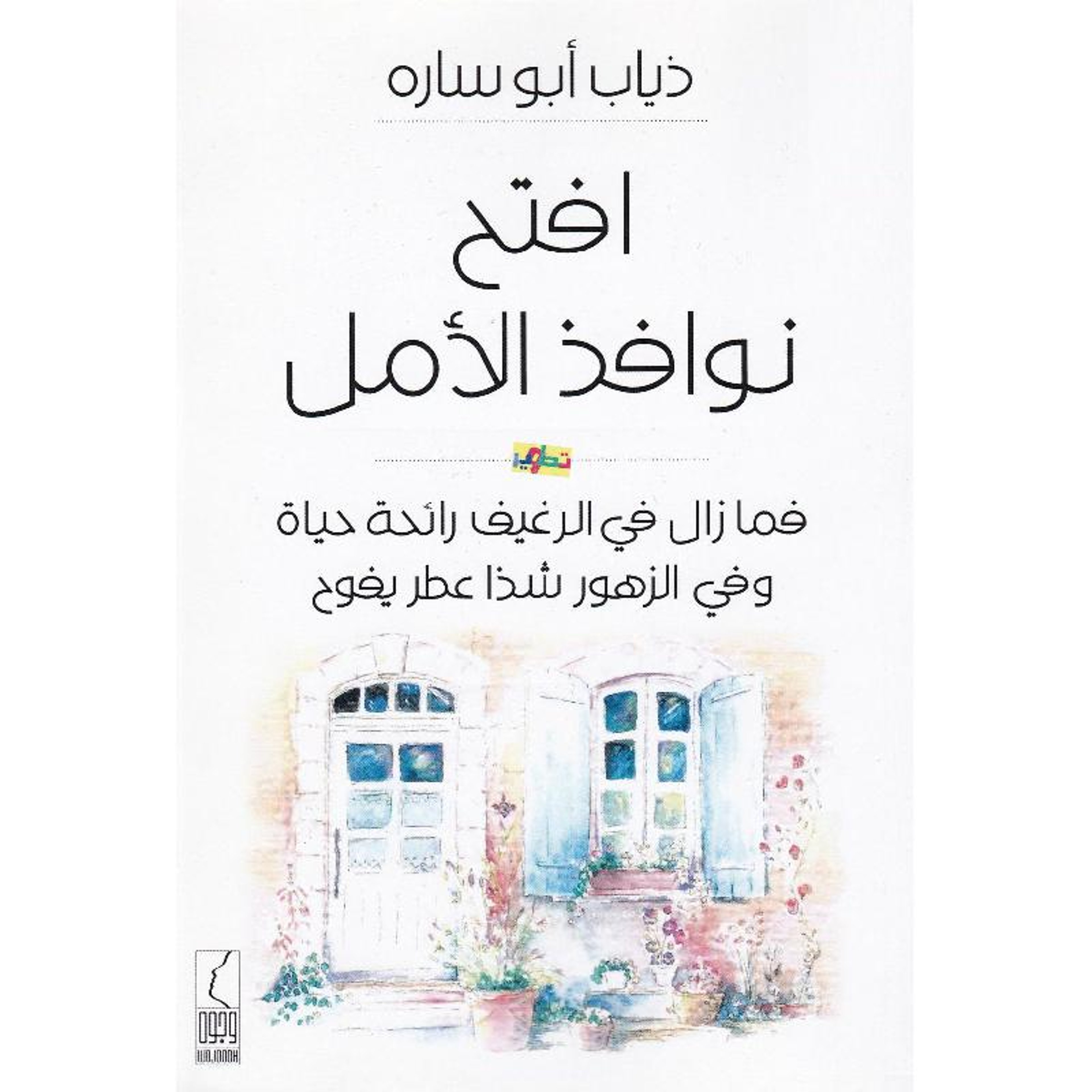
To those who are exhausted by pain and fatigue, to those whose affairs are difficult and whose wishes are delayed or distressed, to those who are weighed down by worry and grief, or by thinking about the future, and to those who are kept awake by fear and terrified by anxiety in the face of life’s circumstances, here are these words, phrases, and fleeting thoughts, with reflection on some of the verses. Pauses with supplication and its effect, and reflections that contain a dose of patience, good faith, optimism in God, and lack of despair, frustration, and pessimism in this life.
“Sarrah” is an immigrant in Sweden. Since the start of the war in her country, she has been unable to write. She seeks to seize the key to freedom of expression, but she faces locks. She works with an autistic child, whose father, Gibran, works in a library and fights discrimination, but he still finds himself in dark basements.
“Gibran” longs for “Sarrah,” and she longs for writing, remembering her days in Hama, and her ambition to find peace.
In this novel, Manhal Al-Sarraj tells us, in a different style of narration and writing, the story of Syrian immigrants in Sweden, their circumstances, and the fragmentation of their relationships, and quietly scatters reflections on existence, life, trust, love, and peace.
Obaid is a young orphan from Al Ain, born at the beginning of the twentieth century. He grew up in the desert and learned to make swords, but he loves the sea. He decided to travel to Dubai to become a sailor, and despite the opposition of his mother and sister, he left for Dubai, where he boarded one of the departing ships on a long journey.
The ship crashed on the shore of one of the islands, and Obaid was the only survivor. He discovered that a primitive tribe lived on this island. He tried to escape from the island, but the pirates and slave traders attacked the island and kidnapped the princess. His pride revolted and he freed the princess - and with the help of the people of the island - he defeated the pirates and slave traders. Obaid married the princess and had children with her. He longed to return to his homeland, but pirates and slave traders attacked the island a second time and killed him, his wife, and a large number of tribe members. Obaid was writing all his memoirs in manuscripts found by: Saif - a young Emirati who loves to travel and collect antiques - so Saif decided to travel to the island, where he discovered that Obaid’s granddaughter still ruled the island, and then he returned to Al Ain to visit Obaid’s nephew and tell him the story of his uncle, Al-Nukhadha. "from the desert"
يقدّم الكتاب فلسفة حنان السماك عن السعادة بأبهى صورها، في قالب مشبّع بالقيم والمبادئ التي تمكّن الإنسان من التوجه نحو حياة ملؤها الرضا، الأمل، والتوازن ما يتضمن أحدث الممارسات القائمة على علم النفس الإيجابي، ويقدّم تقنيات وتمارين مفيدة لتعزيز التفكير الإيجابي وتنمية مهارة المعيشة بسعادة