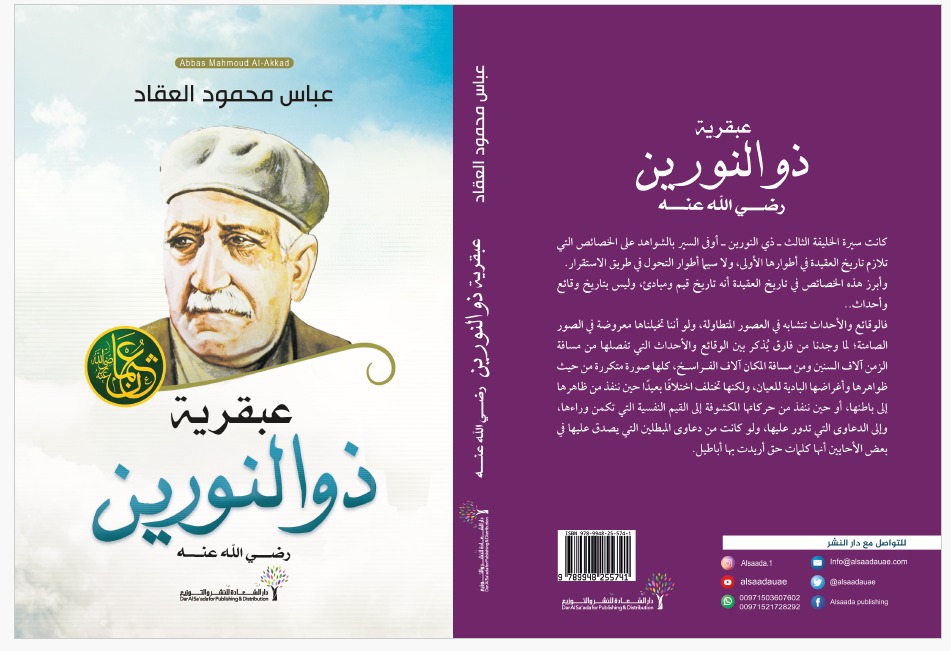
يتحدث في هذا الكتاب عن الخليفة الثالث عثمان بن عفان وعن اريحيته وليس عبقريته. و يقارن بين ما كان عليه العرب قبل الإسلام من ظلم الحكام إلى ما وصلوا اليه من محاسبة الحاكم وهي إحدى أهم ركائز الديموقراطية ويتحدث عن حادث مبايعته كخليفة وكيف تم اختياره من بين صحابيين جليلين هما: علي بن أبي طالب وعبد الرحمن بن عوف وان اختياره لم يكن خدعة للامام علي.
Eduardo Galeano is a genius writer and a lousy football player, but his lack of skill in playing football did not make him lose his passion for this sport, for which he harnessed his abilities as a storyteller, historian, and loyal fan. The book “Football Between Sun and Shadow” is an attempt to “atone for sin,” in which Galeano provides a brief account of the history of football, and the changes that have occurred to the game over time, especially in light of the fundamental importance that the game has acquired in Latin American countries. He also recalls luminous joints. Unforgettable moments on the field, and exceptional players touched by the temptation of running after the ball.
But Galeano, in his book, does not stop at the moments of excitement, glory, and fame only within the confines of the stadium, but rather goes digging into the shadows. To expose the myths that fans and players of this sport believed in, and the racism that followed them, and to also expose the amount of exploitation and corruption that turned this sport into a business, and its players into commodities, thus killing its enjoyment.








/ القدم بين الشمس والظل (طبعة مزيدة)-1717684148.jpg)