Time and power...
An imaginative fantasy inspired by the imagination, and some may believe that it is a projection of reality, but it is not so, even though our reality does not differ in some parts from the novel.
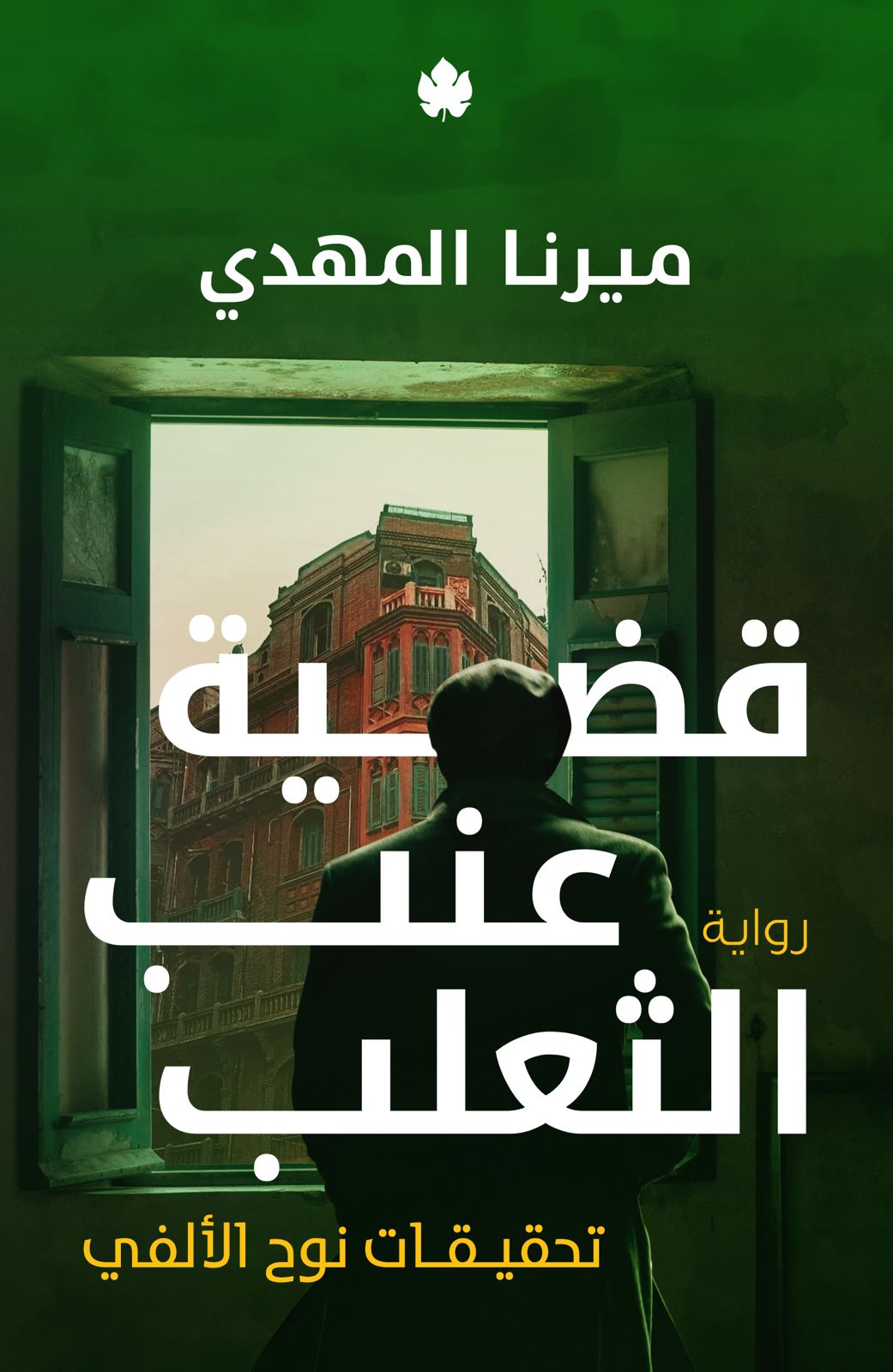
The names and characters in the novel are borrowed, and do not mean a person, but they are similar in the distant and recent past, and the events of the novel take place in a time frame that exceeds 160 years, in which the hero of the novel is exposed to a lot of injustice from those who have power. In his youth and during his studies, an influential person took advantage of his kinship to implicate him. In a case, even if his status is restored under the law, this remains a formality, as they can harm you even after your death.
He was also subjected to injustice when the woman who made an unjust claim against him reached the governor and turned the scales of the claim in her favor, because everyone sought to please her because of her connection to the head of the pyramid of power.
As the world turns to new media and social media, injustice returns again to the protagonist because someone with power and influence does not like Falih’s proposal or does not like him, and perhaps to please someone higher than him because he knocked on a door or someone who concerns him.
Saleh Al Jasmi.....
“I am suffocating and Tokyo does not sleep
The story of the book is:
I watch the city's inhabitants, programmed like robots, from the window of my narrow room, with dreams of attending those prestigious universities, those dreams that haunt us like ghosts.
Tokyoites wear the same faces, the same fake laugh.
The degree and inclination of bowing to greet one another is the same and does not increase or decrease a degree.”
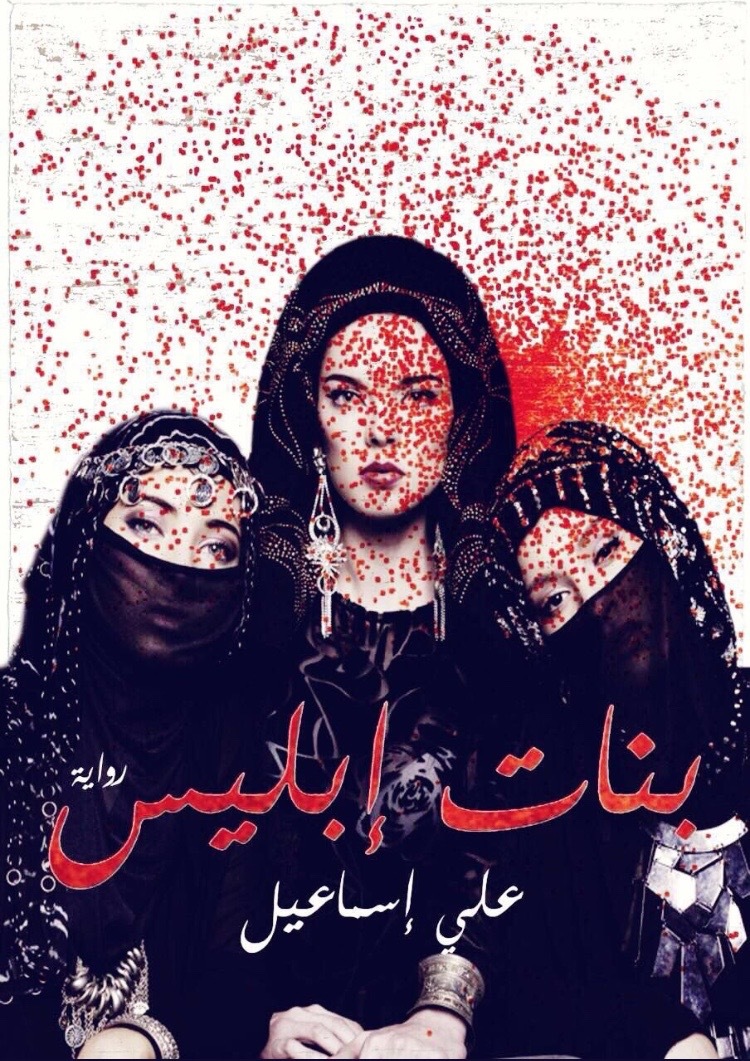
In the small greenhouse that I built for my dear flowers and roses, secret conversations take place and stories are told. Each of them tells the other her legend and the stories she witnessed and heard.
I hide from them so that they do not notice my presence, and I record everything that happens between them in my notebook. It's always dawn, and I don't realize how long I've been here in this corner. The conversations and stories told by the roses were not happy at all, they were like thorns with their pain.
The notebook contains a mixture of myths, stories, and texts that Al-Basataniyya collected to share with the reader, as he talks about the dark side of unlimited happiness, about disappointments, and betrayals that never heal. About those human relationships that do not rise to the sky.
Briefly, about the definition of pain in its many faces, which are depicted with thorns running down their branches, leaving a prick, a mark on a finger that touched them, and hidden pain.
From every garden is a flower and from every garden is a thorn
Twenty-one thorns that the gardener documented in her notebook, proving that pain is a universal language that is not limited to the poor only, but transcends all social classes that humans have placed through their ignorance.