This research discusses language as a distinctive feature of a society (Syrian society), and monitors the changes that have occurred in it as the political, economic, cultural and social circumstances of this society change according to the context in which events take place, especially in light of the wave of protests that swept many countries in the Arab world in the context of what was called "Arab Spring"; The linguistic change witnessed by this society was shaped by the collective influence of those regions that witnessed these protests and is spreading thanks to the globalization of cultural communication that exists now.
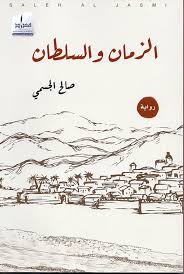
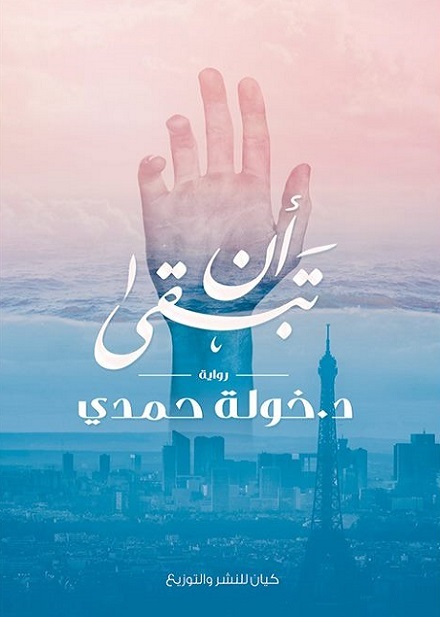
Like a serene scene trapped inside a crystal ball in an eternal moment of peace, the Syrian city of Homs appeared, calm and full of secret dreams.
It is crossed by a curious river that tries to rebel a little and break the dull, monotonous crystal, and it is called the Orontes.
Then the war came and the city was fragmented, and the butterflies flew with their dreams into the flames.
Every day of war passes, bringing with it dozens of stories worth telling. This novel takes us around the city, to learn more stories about it and its residents, a city that has become full of stories.
The story of a final basil seedling where Father France parked his old bike before he was killed. And the stories of library owners that were stolen.
A kiss from a friend that he printed on the glasses of (Wael Qastoun) after he wiped the bloody dirt from them
The mystery of the lover who covered the walls of the gloomy cemetery in Bouha (Lulu, I love you).
A sad hand under the rubble of a house that no longer exists.
There is no fair narrative in times of war, but the language remains an apology to the city
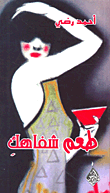
Love is the most dangerous and mysterious emotion. The most dangerous of these is because the lover often loses the ability to appreciate reality. Nothing makes him ready for death as love does. How many men lost their lives to reach their loved ones, and how many women defied their societies and were killed for a moment of connection with their beloved. History and literature tell us about many love stories that ended in death or madness. Because love is a powerful emotion that pushes the sails of the heart into the gates of an adventure with choppy waves. It does not value any danger, and it never accepts submission to mental trials.
As for the ambiguity of this emotion, it comes from ignorance of its causes. Most of the time, we do not fully know what we love about the person we love, and we often discover in him the opposite of what we thought when we loved him. Love - despite its arrogance - remains the most fragile of emotions, and often dissipates when it comes into contact with reality. Just as it blows like a storm, it can suddenly calm down, leaving... The air behind him was filled with dust.
Despite everything, love remains the most beautiful feelings that a person can possess, and the moments of connection that often precede a tragic end for lovers may be the happiest moments they live.
A girl enters a nunnery with a box and a wedding dress. A woman follows a homeless woman wearing a green dress through the streets of the city. A third woman’s life changes after visiting her husband’s family cemetery, and she keeps searching for herself, for a “place.” And a fourth woman is lost in a world of gray, brown, and purple faces, above which a tree floats. She survives, and a fifth woman visits Istanbul with her husband and stays in the same hotel where Agatha Christie once stayed, and the lives of the two intersect in a mysterious way.
These five women are the heroines of Cristina Fernandez Cubas, who narrates a special magic that overwhelms us, seduces us, arouses our anger, and fills us with images, feelings, descriptions, and fantasies, before which we cannot be astonished, by the ability of her writer, to create a dreamy atmosphere in a unique literary style.
Are there really people who lived more than one life?! .. How and when did this happen?! .
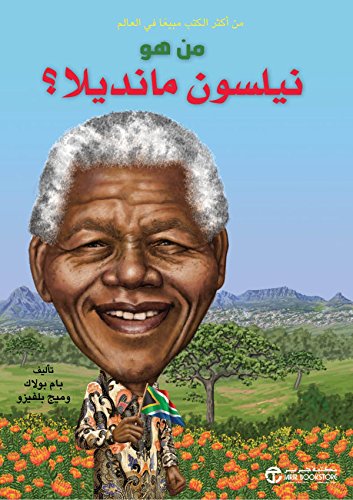
At a time when violence and destruction overwhelm most parts of this planet, and news of murder and disasters tops every news bulletin... and brutal capitalism preoccupies the souls and minds of people, chasing after their own interests, and the number of the world’s wealthy people who have reached an unprecedented level in collecting money is increasing. In the midst of all this materialism and excessive selfishness, there are shining lights of humanity that go in the completely opposite direction. They are a different category of people, people who have dedicated themselves to giving, goodness, and charity, providing great services to humanity at the expense of their time and their own interests. People who still live among us after they were destined to live in the lives of those who came after them. People who were immortalized in history because they were high models of sincere giving to their communities and nations. They provided this universe with great services, values, and deeds that engraved their names on the corners of this planet that would not have lived, progressed, or arrived. It would not have been possible today if it were not for the gifts and services of the great prophets, messengers, scholars, and reformers, and even some simple people whose names have fallen from the pages of history, but they never fell from the comfort that settled their souls, the happiness that filled their souls, and the other lives they lived among those who came after them and benefited from their giving.
Yes... it is giving... that great human value that immortalized everyone who was attached to it and devoted to it... and gave to everyone who gave it.
All we hope for from this book is that it will be a source of inspiration for you to give in any form, at any size, and at any time, to join the club of great giving people. We also hope that the book in itself will be a simple gift from the author. It contributes to enhancing this great human value in our Arab societies, and is a very small step towards developing and improving life, and reconstructing this planet that the Great Creator has appointed us as successors in, and commanded us to strive to reconstruct.
At the Carnival in Venice, a wealthy Mexican meets a person disguised as the last Aztec king of Mexico: Montezuma, who was killed by the Spanish conquistador Hernán Cortés. He also meets three European musical geniuses who filled the history of music with their immortal works: the Venetian Antonio Vivaldi, the Neapolitan Scarlatti, and the English-German. Handel. Did he go back to the eighteenth century? Or did they advance to the twentieth century?
In this masterpiece, there is a mixture of truth and fiction, a jump between dates, a mixing of characters and roles, falsification of facts, and skepticism of history, all brought together by Alejo Carpentier within a Baroque concerto in which European music meets African rhythms, and you can imagine the music that resonates within the lines. And the voices that get louder, and the breaths that stop...
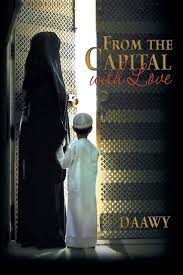
The work is a short symbolic love novel that brings Saqr together with his cousin Hamda since childhood, after a prior agreement between the parents.
• The work tells the story of the building of the union, and the change that took place in the region after the emergence of oil, with a review of the period of suffering and struggle.
• A review of mixed social life in the Emirates in all its forms, including the presence of Arab and foreign communities coexisting in love and brotherhood.
• A record of the change in the status of Emirati and Gulf women in particular and Arab women in general between the twentieth and twenty-first centuries, whether in dress, behavior, freedom of expression, choice, or participation in decision-making.
• The work is generally prepared and ready to be turned into a cinematic work that reviews life in the United Arab Emirates
In the period between 1960-1987 AD.