Freedom outside freedom
The magic of the moment...the dance of death
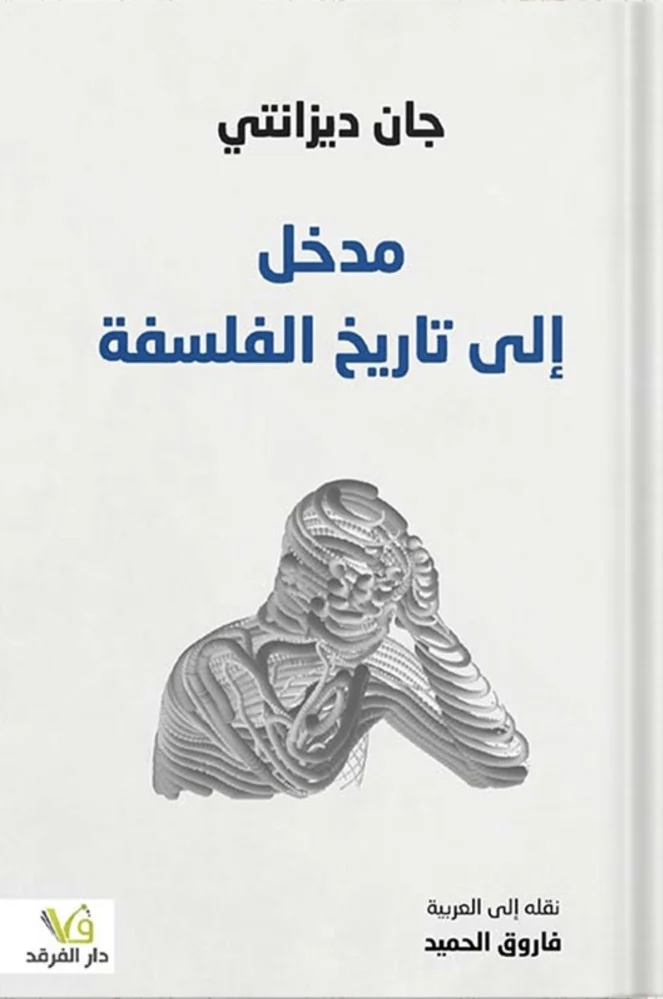
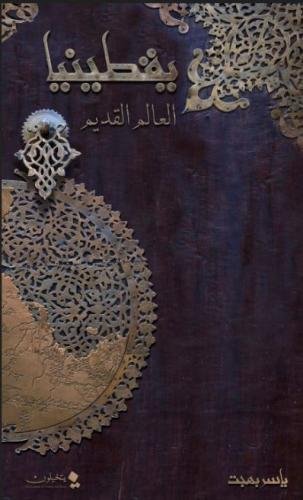
In this book, there is an attempt to remove the mind from the mind, that is, to free it from the residues of what it left behind
The waves on the coast are the waste of history and the remains of cultural restoration. Freedom is not like a woman
She is wonderful with her amazing accessories and cosmetics. Rather, she is naturally beautiful. She is wonderful when...
The mind gets rid of the clutches of selfishness, fanaticism, and superiority. Europe brought freedom at the hands of philosophers
Great people like Rousseau, Voltaire, and others, but this freedom did not fully mature, because it emerged from a veil, an emotional state, and so we found the mind that came to liberate the European man was himself.
The mind that enslaved people in the Arab world, and used all methods of oppression to impose
His control and influence over these peoples, why? Because the mind emerged from the slavery of the Church, but it did not
He is liberated from the history of slavery, which preceded the Church, and the Church is only a miniature image
A form of backwardness and opportunism.
About the book (In Stories of Peoples)
The book (On Peoples’ Stories) aimed to focus on popular literature in general, and the popular tale in particular, because of its close connection to the literature of the nation and society itself, and a representation of people’s lives and their victories over the pressures of life, and their attempts to achieve their hopes and ambitions through it.
The book includes twenty-five diverse articles in the same field. Each article specializes in a special topic of folk literature or the folk tale and studies it in some detail, such as talking about the narrator of the folk tale and its recipients, and some of its characters who are considered the backbone of every folk tale, such as the princess, the hero, the aggressor, or The evil one, as well as diving into the kingdoms of the jinn and mixing them with the worlds of humans.
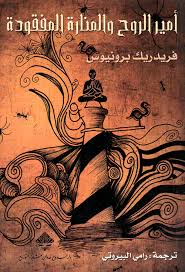
What happens when we die? Is there a second life after death? Why does everyone talk in their dying moments about a tunnel of light at the end?
Can insects read? What does a Tibetan monk do in a high school? Was Newton just a mathematician? How do we save the world?
And most important of all, does she reciprocate his admiration?
Many important questions that need to be answered, and who is more capable of doing that than a high school student who believes that he is the best musician in the world, and with a little help from his coffee-loving grandfather (even if he is dead... a little).
The story of another dictator from Latin America, except in this novel he is an educated, enlightened dictator who befriends an academic, a poet, and a writer in Paris, attends opera performances, and decorates his palace with artistic paintings. But despite his “high culture,” he is corrupt and corrupt. He does everything to remain in power, plotting conspiracies and drawing plays, because he knows that without the throne he is worth nothing.
Carpentier wanted the title of his novel, “The Discourse of the Method,” to be compatible with the title of Descartes’ book: “The Discourse of the Method.” While the philosopher lays down his theory of the method with his hands in cold water, its application appears here hot and burning, poisoned with iron, blood, and fire. The Cuban writer addresses the personality of the tyrant from the inside, contemplating his psyche, entering into the recesses of his mind, with writing that is bold in its conceptions, rich in its fertile details, and innovative in its techniques. List it.
A special kind of anxiety grips Martin Santome after he approaches retirement age. He sees that his life has passed without him achieving anything worth mentioning. However, something changes after hiring the young woman, Abeyanda, in the office where he works, as he suddenly experiences feelings of happiness. After his life had deprived him of her for many years, since the death of his wife and his having to raise his children alone.
Through Santome's diaries over the course of an entire year, Benedetti depicts for us the life of the middle class in Uruguay, expressing with great sensitivity the loneliness and lack of communication, love, happiness, and death, in a poetic narrative that qualifies this novel to be one of the most beautiful and powerful love novels. And elegance in Latin American literature.