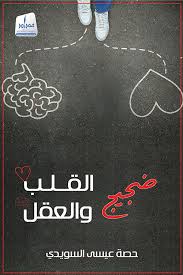
The noise of the heart and mind:
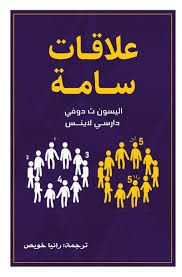
The book contains 30 chapters with various topics. Each of them tells a life situation that I went through, and a number of experiences that I went through in my life, through which I learned many lessons, and I would like to pass them on to dear readers. It is a personal experience and also contains opinions on life topics. It is private to me and not public.
Each chapter has a special character, and talks about a life matter different from the other. Through it, I talked about the nature of relationships and their importance, about the human character and the rejection of cruelty and violence, about social relationships, the importance of parents in the lives of children, about love and fleeting relationships.
“Before this book, virginal lovers were in our imagination as pure as angels, infallible as saints. Sadiq Jalal Al-Azm comes in this book to tear the mask off the faces of virginal lovers, and to reveal, with logic and deep philosophical thought, that they were, in reality, narcissists and lustful... Nizar Qabbani
(The Emirates in the Heart) by Emirati poet Dr. Talal Saeed Al Junaibi, the first national poetry collection of its kind, consisting of one hundred pages, prepared to coincide with the centenary of Sheikh Zayed, the founding leader, may God rest his soul.
This national poetry collection deals with the Emirates, its symbols, its leaders, and its contemporary issues poetically, in an unprecedented edition that appears in the Year of Zayed, the symbol of the homeland and the nation, highlighting, commemorating, and documenting this pivotal historical time period.
From the portal of eloquent Arabic poetry and through the windows of thought and creativity.