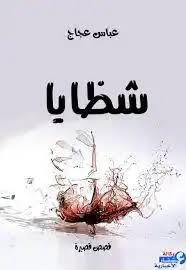
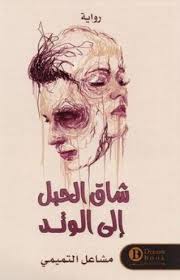
The novel 'Fragments' is the novel of an Arab generation trying to repair the fragments of history, homeland and dreams to reconstruct the picture so that life is understandable and liveable.
It is the story of a boy, Karmuz, named Imad, who tries to understand the condition of his father, Yazid, who rebelled against life in all its details. A boy decided to put together the remains of his father's pictures and clippings that he had saved from the fire when the father suddenly decided, at the height of despair and revolution, to set fire to his memory during a hot summer.
From the pictures and clippings that saved the boy “Imad,” the events of the novel begin to approach what was, as the pictures turn into a flowing stream of words that sheds light on the past of a man “or a generation, more precisely.”
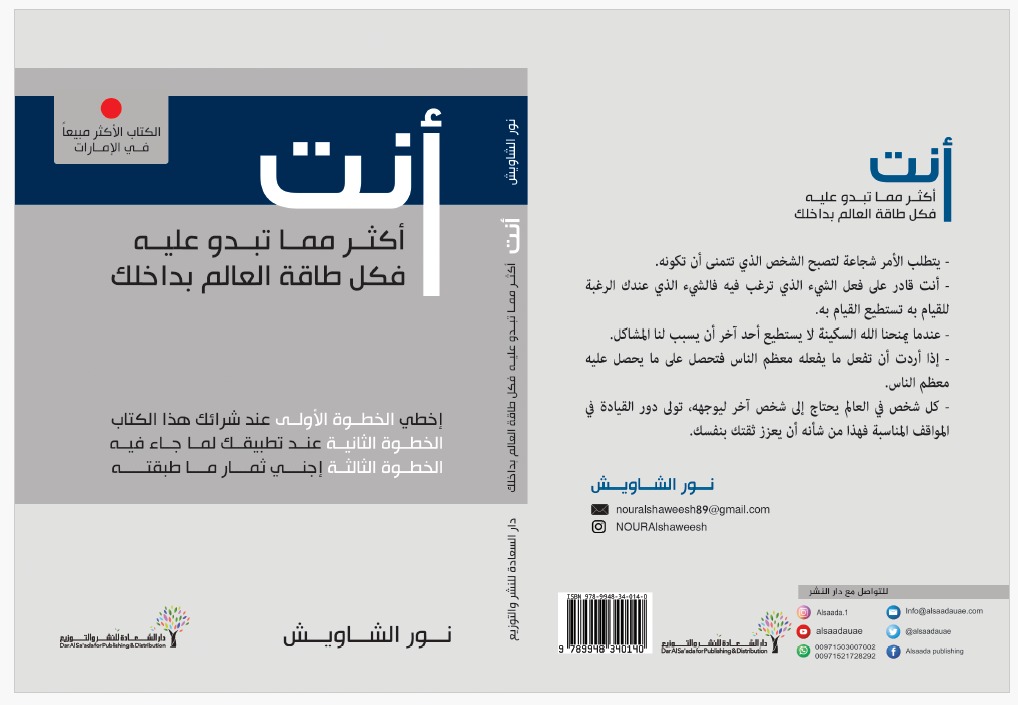
أنت قادر على أن تفعل الشيء الذي ترغب فيه فالشيء الذي عندك الرغبة للقيام به تستطيع القيام به.ليس عليك أن تطلب الإذن من أي شخص لكي تكون ناجحًا وسعيدًا.إنك تستطيع تحقيق كل أحلامك فالتجعل قوتك مستمدة من إيمانك بالله وذلك عن طريق القدرة الكامنة التي وضعها الله بداخلك. عندما تغيِر من طريقة تفكيرك ستنجح وتجذب إليك ما تريد واعلم أن الفكرة التي تعطيها الإهتمام الأكبر هي التي ستتحقق لا محالة وإذا استسلمت ستستسلم الأشياء من حولك
City of roses:
The rose has a life, and the human being has a story. They combine to be one of my wonderful masterpieces that are filled with kindness and beauty. ...