كن محبًا بقلم سارا براوت ... كيف يتعافى الإنسان من صدمات حياته وآلامه النفسية؟ البعض يذهب إلى معالج نفسي، والبعض الآخر يسلك الطرق الروحية، وآخرون ينفون من ...
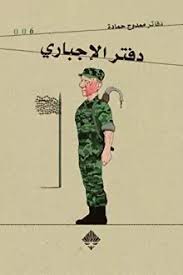
Some of them call it (the service of knowledge), and some of them call it (the compulsory service), but the truest name for it is the name given to it by the public: (compulsory). Compulsory, no matter how much they cover it with national cellophane, will remain one of the heaviest experiences that a person goes through. He will live a long time and die, and the heavy feeling that there is a gun on his shoulder will never disappear.
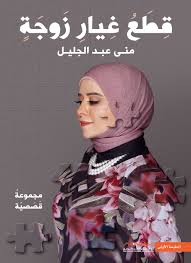
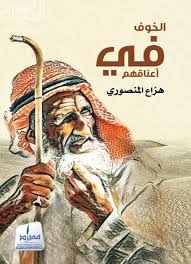
A collection of short stories that includes 6 diverse stories that reflect the philosophy of life, the myth of the desert, and the icon of existence, with the fragrant scent of Emirati nature and the local environment. Most of the events of the stories take place within the Emirati environment. During the short story collection “Fear on Their Necks,” Al Mansouri draws inspiration from innate ideas and shortened meanings.
The collection included the following titles: “One Last Look,” “A Smile in the Wind,” “The Self-Trial of the Brotherhood,” “Tal Zakher,” and “Fear.”
On their necks, and an incoming one on the Kassir.
The missing painting:
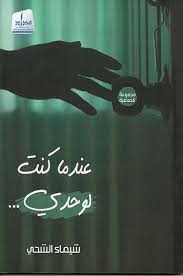
Noise that no one can hear except me, lights, people, and places that no one else knows, and others do not even believe. When I Was Alone is a collection of stories whose events will amaze you, and whose details will terrify you. It happened to some and it may happen to others, with a slight difference in the events.
Advice: If you read the book and feel afraid, do not sit alone, and if you think that you will not feel fear, do not sit alone either!
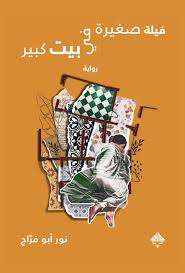
Owned houses and others are rented, fleeting and temporary dwellings, between which the writer moves across different Syrian cities, turning the houses into stations, or rest stops that allow her to contemplate the context of her life, her choices, and the source of her desire to remain between closed doors. The subjective nature of the book turns it into a kind of personal testimony, but Nour Abu Farraj is betting that her memories may intersect to a large degree with the experiences of middle-class young men and women from the 1980s generation in Syria, who lived a relatively stable life, before the war came and made a difference in their context. Forcibly expel them from their safe spaces.
In the face of the transience and uncertainty that war brings, description becomes a tribute to the fleeting; This is why the book tries to remind readers of the long time it takes to build a house, in the symbolic or structural sense, but it nonetheless warns them against becoming captives to the place, and encourages them to carry their homes as souvenirs, or small luggage on their long journey.