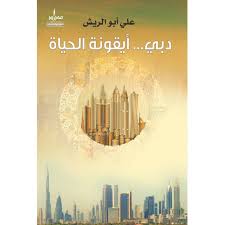
The book talks about Dubai... the city of dreams, the city of beauty and its founder, Sheikh: Mohammed bin Rashid Ali Maktoum, and we quote from it...
Tamer of life's riders, spoiler of horse cravings
With the wisdom of the desert, I enriched the lush horses and took care to name them until they appeared in time as a legend that walked on the lashes of sand with ease, and went slowly to ascend to glory with every effort. Under its spikes, the earth moved, and I was rewarded for its command, patience, secret, and effort. And you were the knight who was the appropriate guardian of the dreams of the wise and the pens of the nobles, and you, sir, were like your impeccable poem, taming the great horses and passing on longings for ages.
(The Emirates in the Heart) by Emirati poet Dr. Talal Saeed Al Junaibi, the first national poetry collection of its kind, consisting of one hundred pages, prepared to coincide with the centenary of Sheikh Zayed, the founding leader, may God rest his soul.
This national poetry collection deals with the Emirates, its symbols, its leaders, and its contemporary issues poetically, in an unprecedented edition that appears in the Year of Zayed, the symbol of the homeland and the nation, highlighting, commemorating, and documenting this pivotal historical time period.
From the portal of eloquent Arabic poetry and through the windows of thought and creativity.
Fish madness:
When false positivity overwhelms human feelings to make a person a puppet whose ropes move him however he wants; Authenticity dies in our society and is led by the false positive, the one with the wrong understanding and the opposite belief, who makes the happiness of others a profitable business for himself, and if anyone disagrees with him, he fights him in all ways to stop him, even if those ways are vile, and his goal is not to awaken the group that follows him out of fear for his money and fame. The truth is lost in the folds of time, and the thoughts of anyone who disagrees with his ideas are classified as crazy adventurous ideas, because they go against his profitable trend. A person must be strong in fighting counterfeiters, regardless of their fame in society, even if his telling the truth is contrary to their intellectual currents, and he must spread awareness of the correct way of positivity and happiness, based on scientific foundations from scientists and philosophers.
The truth agreed, even if you were alone
الكاريزماما هى ومن هم اصحابها؟وما هى القيادة؟وهل هناك فرق بينها وبين الإدارة؟ إن الإجابه على كل هذه الأسئله والكثير غيرها تنتظرك بين دفتى هذا الكتاب، والذى من شأنه أن يغير بعض المفاهيم السائده حول حقيقه الإداره والقيادة، وأيضا من شأنه أن يثبت مفاهيم أساسية وضروريه قد تكون غير واضحه للكثيرين منا.