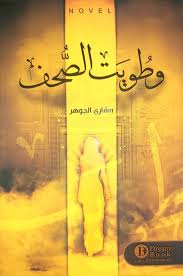
The hero of the novel “The Philosopher’s Dance” is a controversial strategic thinker. He worked and still is an advisor to an Arab leader. He took up his job after leaving Palestine on the run after he was accused of dealing with the enemy during wartime, namely Hezbollah.
This thinker or philosopher practiced political dancing. He theorizes democracy and secularism while working for a non-democratic, non-secular leader who supports extremism. He also believes in Arab nationalism and does not recognize Palestinian nationalism. He engages in a sexual relationship with his Israeli colleague (Tzipora), then continues the matter and justifies his actions. He describes it as resistance. He claims his love for his wife, Layal, and at the same time he lives with a Moroccan woman of Jewish origin during his stay in Britain. This woman plays a major role in the novel as a visual artist and has the ability to listen and remain silent.
The philosopher moves to reside in Britain and discovers an attempt to assassinate him by a Druze soldier who was working in the Israeli army. Here the novel sheds light on the reality of the Druze, accusing them and trying to do justice to them at the same time. The credit for thwarting the assassination goes to a man from southern Lebanon who runs a restaurant in London.
The philosopher receives a letter from a deported Palestinian who took refuge in Lebanon, asking him at the end: How do you feel in your homeland? The message affects him greatly, and he searches for the answer whenever he has the opportunity, and there are many opportunities, but he fails to answer. The question forms a basic pillar of the novel as well.
Although the novel is realistic, it does not follow an ascending ladder of events, and what lies within it is much greater than the events mentioned. The novel, as much as it is a novel of events and actions, is an intellectual novel, and here lies the difficulty of talking about it.
The collection of the master of absence:
It is a collection of popular poetry that contains various topics in poetic poems, including emotional, social, humanitarian, and subjective ones. It also contains different types of popular poetry, some of which are vertical, some are ta’fa’il, and some are double between ta’fa’il and vertical..
The collection talks about the theme of absence in general in poems...but this absence is similar to presence in the world of poetry...it has innovative poetic images, different from the rest of the collections...with the presence of the Omani folk color mixed with beautiful modernism...
In late October, a writer specializing in the lives of saints gives a lecture in a remote northern Swedish village. After the lecture ends, an old man approaches her to tell her that she will stay with him for the night.
Her stay with him is prolonged due to a snow storm that cuts off the road, during which she learns more about the life of her host Hadar, who suffers from cancer, and the strange competition that links him with his brother and neighbor Ulf, who suffers from heart disease.
About two brothers who share a lot in common and are linked by a tangled relationship of jealousy, rivalry, guilt, and a strange guest who becomes the engine of this relationship, Torgny Lindgren tells with dark irony in his Auguste Prize-winning novel, Sweetness, a different story about brotherhood.
تدور العادة السابعة في كتاب “العادات السبع للناس الأكثر فعالية” للكاتب ستيفن كوفي حول التجديد الذاتي والتحسين المستمر. تركز هذه العادة على الاستثمار في النمو الشخصي وتطوير القدرات الذاتية باستمرار. وتشجعنا على العمل على أنفسنا وتحسين مهاراتنا وتطوير قدراتنا بالقراءة، والتعلم المستمر، والتدريب، والتجارب الجديدة.
تروي “الأجنحة المتكسرة” (95 صفحة) قصة حب بين شاب يبلغ من العمر 18 عامًا وفتاة تدعى “سلمى” ابنة السيد “فارس كرامة”، التي تُزوّج لشخص آخر أكثر ثراء من الشاب ويسمى “منصور بك”، لتبدأ المشكلات بالتفاقم تدريجيًا. ولكن المثير في القصة هو أن الراوي جعل من نفسه بطل الرواية كلها، الصادرة عام 1912
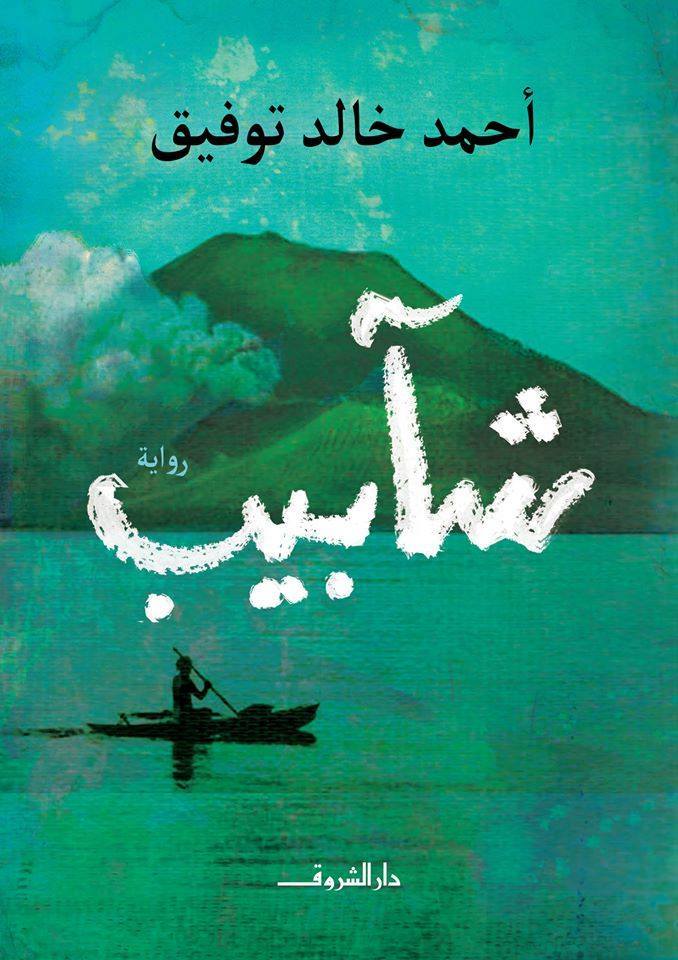
The coffin of Noukhaza:
A small, dilapidated village, in which houses are wrapped around each other, compact as if they were one part. Its houses are made of mud, an indication of the poverty of this village.
هي رواية خيالية بطلها شاب من قرية البهو فريك يجد نفسه يوما في أرض لا تتعامل بالنقود كسائر البشر، وبدل ذلك وحدات الذكاء فكل عمل مقابل مال في أرضنا يعادل هناك قيمة معينة من وحدات الذكاء.