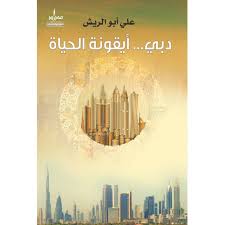
The book talks about Dubai... the city of dreams, the city of beauty and its founder, Sheikh: Mohammed bin Rashid Ali Maktoum, and we quote from it...
Tamer of life's riders, spoiler of horse cravings
With the wisdom of the desert, I enriched the lush horses and took care to name them until they appeared in time as a legend that walked on the lashes of sand with ease, and went slowly to ascend to glory with every effort. Under its spikes, the earth moved, and I was rewarded for its command, patience, secret, and effort. And you were the knight who was the appropriate guardian of the dreams of the wise and the pens of the nobles, and you, sir, were like your impeccable poem, taming the great horses and passing on longings for ages.
Novel 21 is 21 years of my life that I spent around the world, starting from 1984 until 2020, so I chose a story for each year that is useful to society.