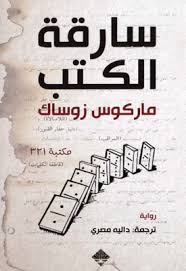
girl..
Accordion player..
Some fanatical Germans...
boxer..
Multiple thefts...
They are the heroes of a story I have kept to retell over and over again, one of many stories, each trying to prove to me that you, your human existence, are worth it.
If you have the desire to investigate the details of this story, come with death and he will tell you a story.
Years have passed since his absence, and Mamdouh Adwan had more. But death was no longer with him.
What has not been published before. We collect it today in this book.
Mamdouh Adwan left a file on his computer containing completed poems that he had prepared for publication, and other poems that he called incomplete poems.
Mamdouh did not give a title to the file. But he left it under the name (A Poet's Job).
(A Leap in the Air) is the title of a book that Mamdouh Adwan had prepared for publication.
But death forced him to complete this collection. Therefore, we at Dar Mamdouh Adwan decided to collect the poems that he wanted to publish and add to them some of the missing poems. Let us present to the reader some of his completed poems that have not been published, and other poems that he did not complete, but are open to the possibility of completion.
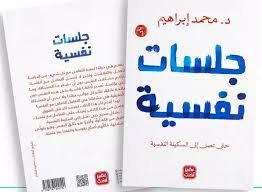
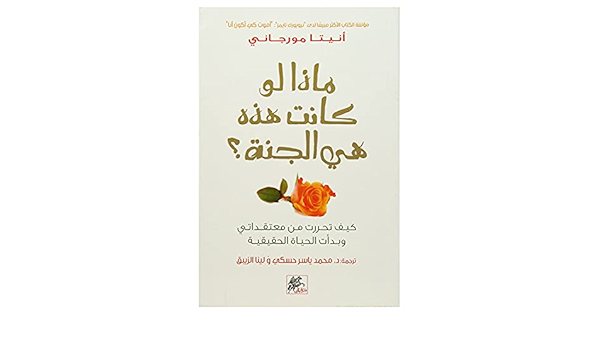
وهو يناقش موضوعات عدة، مثل فكرة الكمالية، أو السعي نحو الكمال، وأثر الحياة الاستهلاكية على البشر، وكيفية التعامل مع عادة التسويف والخوف المرضي والتفكير المفرط، ومخاطر الفراغ، وأهمية تحقيق التوازن بين مجالات الحياة، وكيف يتقبل الإنسان فكرة امتلاكه للكثير من العيوب، وأهمية القدرة على رفض الأوضاع التي لا تناسب الإنسان، ...








/ في الهواء (الديوان الأخير)-1717685466.jpg)