Since the student is the main focus of the educational process, and because the student is the hope that will build a brilliant future for himself and his nation, it is necessary for us to explore the positive energies and pearls hidden within him, so we work to refine and develop them until they are upright and their possessor becomes a person of creativity, innovation, distinction and brilliance. We all know that the language of Al-Dād today is going through severe bumps that are about to destroy this great language, but it will not disappear and will not perish because God Almighty pledged to preserve it, as the Almighty said: “Indeed, it is We who have sent down the Remembrance, and indeed We will preserve it.” How could it not, since it is the language of the Noble Qur’an and the language of the prophets and messengers, and the language of The people of paradise. God Almighty said: “The Faithful Spirit has sent it down to your heart so that you may be among the warners, in a clear Arabic language.”
There are significant initiatives undertaken by many Arab countries to promote and preserve this language, especially the initiatives undertaken by the United Arab Emirates to support the language and consolidate it in the hearts of children before adults, as one of the most important of these initiatives was the initiative of Sheikh Mohammed bin Rashid Al Maktoum. - May God protect him - It is the Arab Reading Challenge project, which has met with widespread popularity and success throughout the Arab world, and because the School of Scientific Research considers itself an important part of this Arab world, it has taken it upon itself to make the Arabic language a global language of value through the implementation of many activities. And activities that contribute to raising the status of that language. Therefore, the Arabic Language Department decided to begin implementing the “Student Author” project, which is a project that aims to refine the creative writing talent of female and male students in secondary school in order to develop this skill in them. Thanks to God and His care, here is the first book he has written. A group of students, as it includes a number of articles, stories, thoughts, and descriptive secrets. This step is only the first seed planted by this generation and which future generations will develop until it becomes vibrant and bright with the most beautiful colors.
An introductory overview of the book:
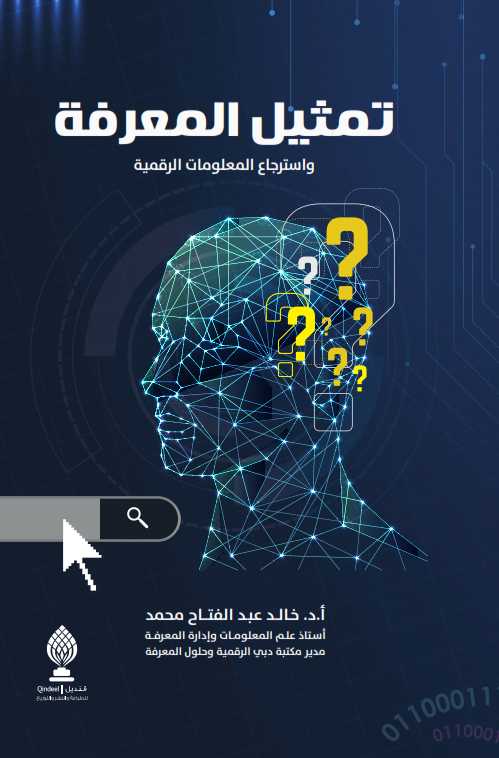
First of all, when I thought about naming this book, it did not take long effort, as the name came to my mind at first glance, “Intellectual Development in Technical Terms,” but I recently changed the title to a meaning closer to my heart, and because the goal of the content of this book is to introduce the concept of self-development. In simplified ways and by resorting to the mechanics of technical terminology, here the question may arise: “What is the relationship between self-development and technical terminology?”
God Almighty helped me to prepare this book, to write in it about the secrets of the mind and the mechanics of its work according to scientific studies carried out by specialists in this field, and then explain some of the concepts related to self-development and link them with simple technical terms to take the reader with me to the stairs that raise the level of awareness and awareness. I leave him the choice to choose what suits him to do.
I seek to address that category of people who find it difficult to reach the highest levels of awareness in the field of self-development, and there is nothing wrong with that, as I was not aware of these concepts until recently, after my mind linked the mechanisms together, and that was the incentive that moved my brainchild to start. Once again, I am writing to put before you a summary of what I have concluded based on scientific sources from my specialists in the field of psychology and my long experience in the field of information technology science. So I resorted to writing this topic to simplify the concepts for the reader and help him make the connection between the mechanics of the mind and technology.
Although there are many terms in information technology, for the purpose of this book I chose a simple set of technical processes to make it easier for the reader to understand these terms and link them to logic and self-development.
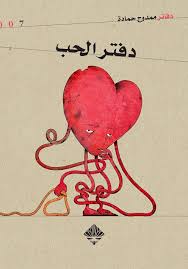
Love is the most dangerous and mysterious emotion. The most dangerous of these is because the lover often loses the ability to appreciate reality. Nothing makes him ready for death as love does. How many men lost their lives to reach their loved ones, and how many women defied their societies and were killed for a moment of connection with their beloved. History and literature tell us about many love stories that ended in death or madness. Because love is a powerful emotion that pushes the sails of the heart into the gates of an adventure with choppy waves. It does not value any danger, and it never accepts submission to mental trials.
As for the ambiguity of this emotion, it comes from ignorance of its causes. Most of the time, we do not fully know what we love about the person we love, and we often discover in him the opposite of what we thought when we loved him. Love - despite its arrogance - remains the most fragile of emotions, and often dissipates when it comes into contact with reality. Just as it blows like a storm, it can suddenly calm down, leaving... The air behind him was filled with dust.
Despite everything, love remains the most beautiful feelings that a person can possess, and the moments of connection that often precede a tragic end for lovers may be the happiest moments they live.







 Wisdom of Joe Biden/The Book of Joe The Life, Wit, and (Sometimes Accidental) Wisdom of Joe Biden-1718257847.jpg)
/ متسلسل _ سلسلة ذئاب بشرية (الجزء الثالث)-1718327504.jpg)