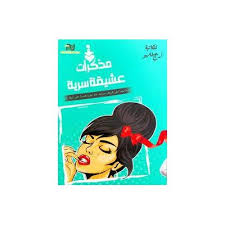
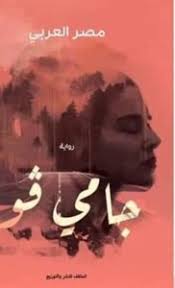
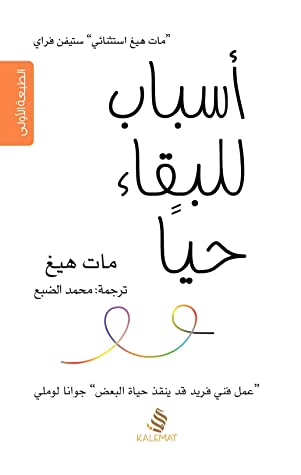
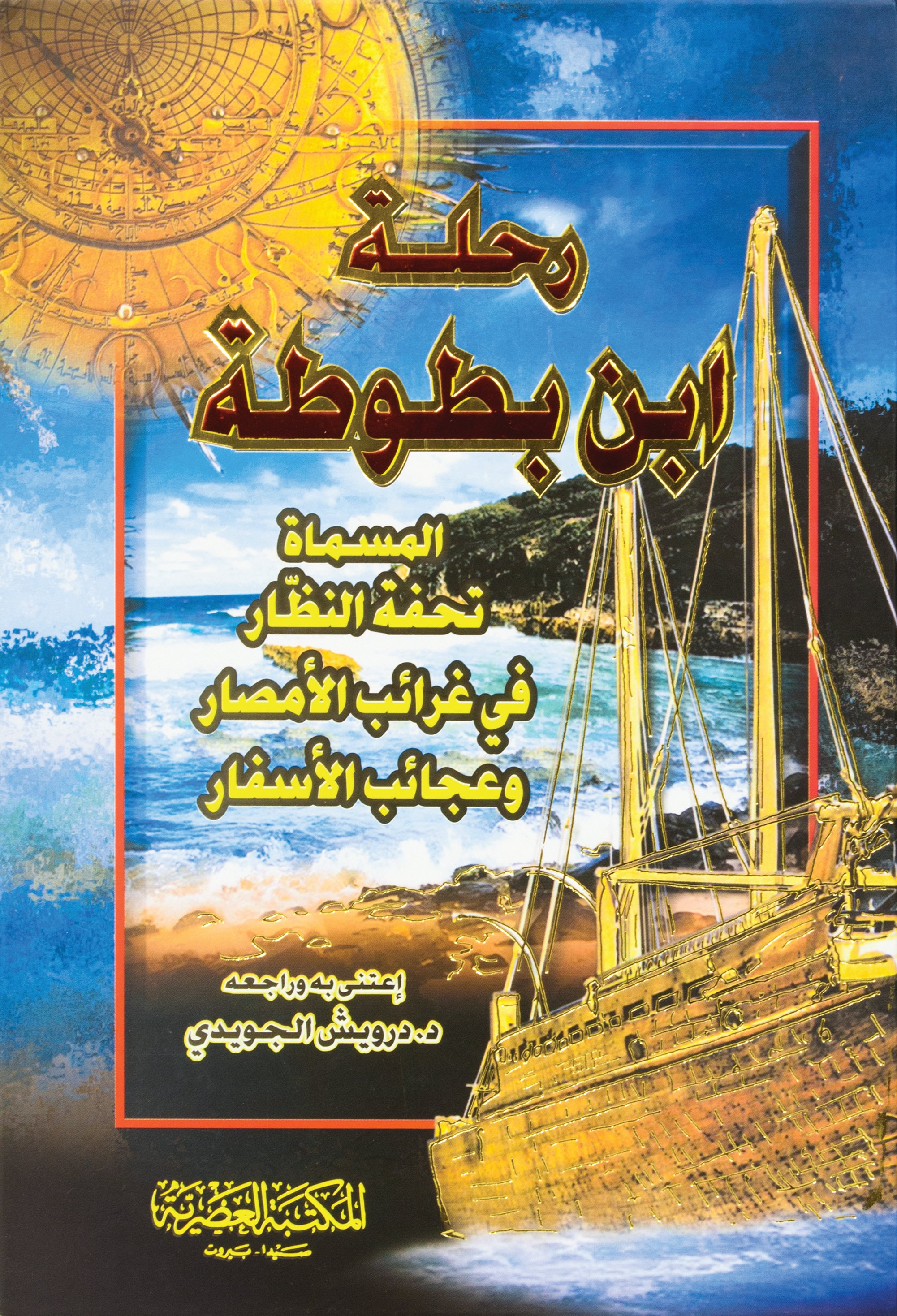
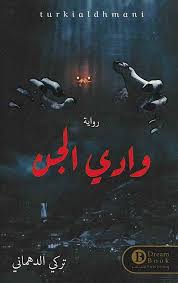
تدور حول البطلة لج مع السلطعون ناسك عند البحث عن الأربع عناصر التي أخذتها من ملك الجن من أجل استعادة عرش الملوك السبعة، فتتشبك لج بأحد الشبكات الخاصة بالصيادين، ومن ثم تحدثهم لهم الكثير من الأحداث المشوقة.
The shelter of absence is a place built of words. Everyone in it belongs to the world of his imagination, and lives in a state of obsessions and doubts. A scientist who surrenders to ambiguity and hieroglyphs and loves the mercury of impermanence and uncertainty. In this shelter, we do not know whether what we read are the preparations of the goddess of talisman, or if they are the same as the preparations of others. We do not know whether to believe her or to believe in the suffering writers who create themselves with the power of language and invent worlds and selves with words.
In “The Shelter of Absence,” we read about the wreckage of events and people, and about the brewing panic of perishing cities, in stories that belong to the imagination and the grotesque, as much as they derive from the devastation that occurs in reality as material for writing.
Critic Dr. Mohamed Al-Shahat believes that the narrative of “The Shelter of Absence” builds “on constructing an imaginative journey, with successive episodes, that questions the concepts of space, time, and human existence. In doing so, it searches for the essence of human communication beyond “language” in its common sense.”
Life is a drama, and drama is a drama within this drama, and most of it talks about this drama that emerges from it, and the process of acting is the enemy of this drama. The more we are honest in presenting this drama, and the more we are spontaneous, the more we seem real, and the exact opposite is true. When you look like you are acting, you will be closer to failure, and farther away from the audience’s love. Even a clown must clown with sincerity and spontaneity that makes him appear real. Our example is Charlie Chaplin, who used clown tools in all his roles that people know, and the audience interacted with the humanitarian issues that he raised and sympathized with them. .
We all know that what is presented on the screen are nothing but events that have no basis, so we think, but why do we follow them if we believe that? We follow it because we are in fact the heroes of this drama: its author, director, actor, and the rest of its makers speak in our name, act for us, and represent us at the same time, and when we follow them we are watching ourselves, or details from it.
This collection presents a group of stories that attempt to approach the worlds of drama in one way or another, in writing and acting.
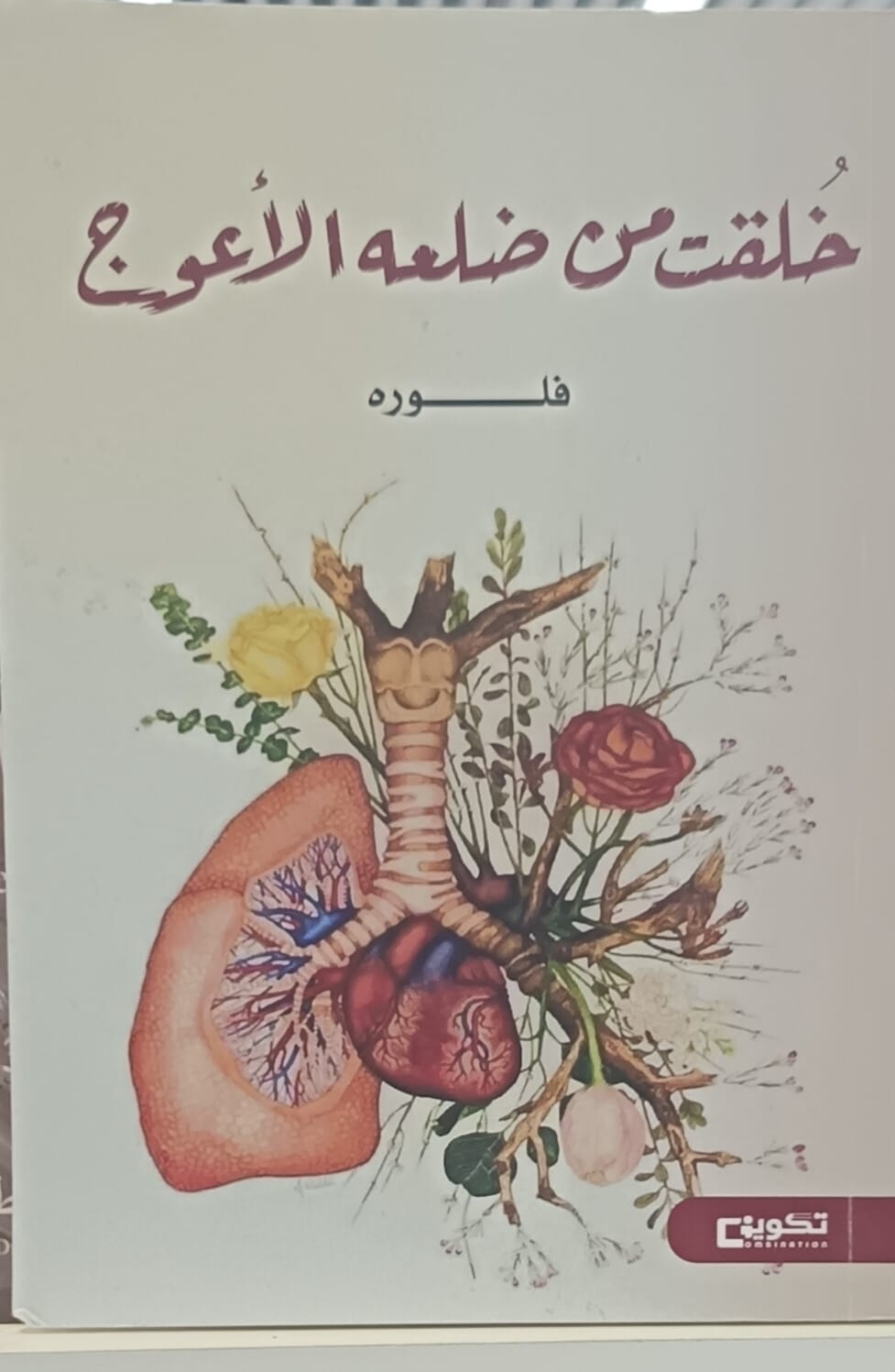
Longing for the Sidra branch:
The novel was woven from the writer’s imagination and its characters are not real. It was built on real places and historical events that occurred for our Arab nation in the sixties. The novel begins when the protagonist, “Tarish,” is accused of killing his cousin, and after that he flees and leaves his village and homeland that he loved for an unknown destination, and settles in He worked in the city of Dubai and lived through the period of the rise of Arab nationalism and its victories. After that, he joined the regular school to complete his education, until he met members of a resistance movement to colonialism. He embraced revolutionary thought and engaged with them in combat operations, until he was chosen to travel and join one of the Liberation Front camps soon. From the Mahri Sultanate, but God’s will wanted him to retreat and return to the soil of the homeland, to the village, and to its people.
The coffin of Noukhaza:
A small, dilapidated village, in which houses are wrapped around each other, compact as if they were one part. Its houses are made of mud, an indication of the poverty of this village.