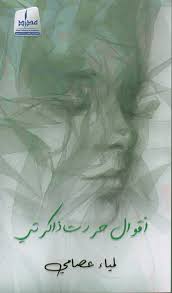
Sayings that freed my memory:
Sayings from an inspiring soul are deep meaning sayings from my thoughts that I received from the experiences I lived, so I decided to write them down and collect them in this book with an introduction and presentation containing 71 sayings and a conclusion, which is an excerpt from the introduction to a novel whose events I am still writing down.
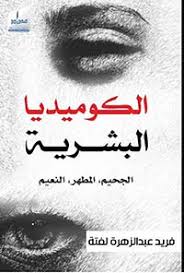
Human comedy:
By “human comedy,” I mean what I understood while I was still young, crude, and inadequate, namely the absurdity and amusements of human beings. Rather, I go further than Aristotle did in his definition of the word comedy, where he said: (Comedy is what causes laughter, rather than the defect that does not cause pain). As for me, I mean by comedy here, it is immorality, farce, play, contempt, recklessness, confusion, and the chaos of humanity, and there is no laughter in it. For me, comedy does not inspire reverence like the comedy of the Greeks or Dante, and it does not call for laughter like the comedy of Aristotle. Rather, it is a funny, crying comedy because of its contradiction and absurdity, and to those who say that humanity has accomplished a lot, I say that even if there are any notable highlights, achievements, or progress, they are the results of random interactions, scrambles, and quarrels that are unplanned and unplanned, like a gambler who sometimes wins and often loses, but it is an ungrateful gain. Or he should be praised for it, but it did not come from thought or action. Rather, it is absurdity, experimentation, and play.
An immortal masterpiece, the largest and greatest literary work in the history of Italian literature, one of the hundred greatest books in human history, and the most printed, published and translated book after the holy heavenly books in the world... it is the “Divine Comedy.” A unique symbolic journey through otherworldly worlds undertaken by the greatest writers of the centuries Dante Alighieri, a symbol of sinful life, leads him to "Hell" and "Purgatory", then "Beatrice", a symbol of faith, leads him towards "Paradise"... It is a long and turbulent journey towards knowledge and faith, filled with symbols that have given it ambiguity, complexity, and brilliance in the eyes of readers, critics, and interpreters. Transferring all of humanity from a state of misery and misery to a state of happiness and contentment is one of the goals of our book, as stated by its author, by diving into the depths of history, recounting rich life experiences, and classifying people according to their deeds in their world, between hell, purgatory, and paradise, and through what the work contains. Philosophy, wisdom, morals and emotion. The strength of the structure, the strength of the style, and the interconnectedness of meanings are features that uniquely characterize this epic.