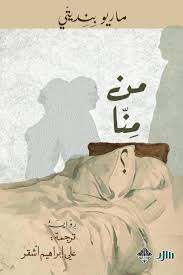
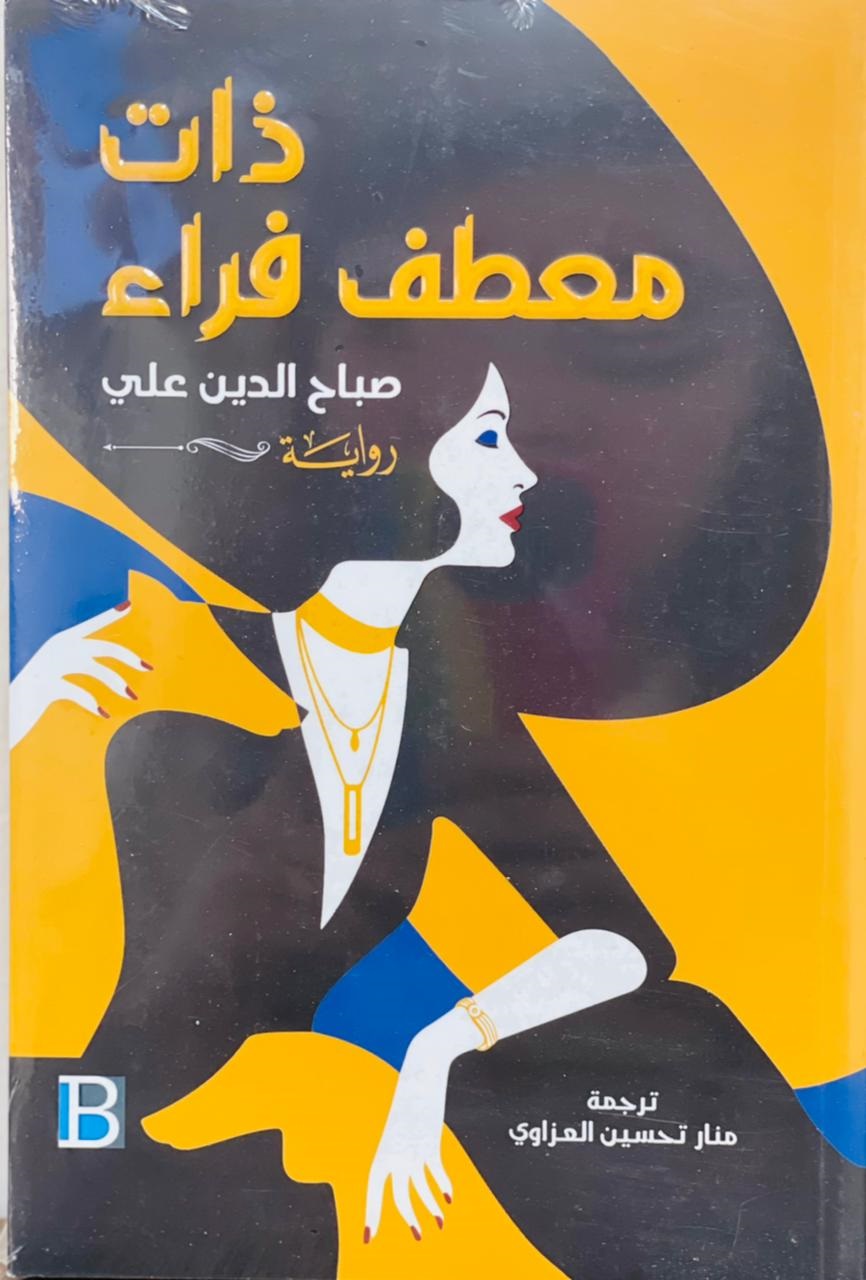
Eleven years have passed since Miguel, Alethea, and Lucas met together in one place, when they were teenage friends, and since then, as soon as a connection occurs between two of them, the ghost of the third is present, so that the roles and desires change and it is not really known which of the two young people he loved. Alethea and those who abandoned her are defeated by the other.
In this special novel, the novelist Mario Benedetti dives into the depths of the human soul, contemplating a complex love triangle between two young men and a girl, leaving space for each of them to tell the story from his point of view through diaries, letters, and the story, so that it appears as a different story every time, as if it were three rivers. A small one that eventually flows into the same lake.
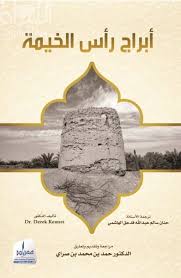
This is an important book in its content, title, and field, and it is a topic that has not been summarized in a book
In this detail and following the historical archaeological scientific method. Its author is a person who has communicated with the Emirates, and with the Emirate of Ras Al Khaimah since he was a student at the university, and worked in difficult circumstances. He wrote many research and articles about the antiquities of the Emirates in general, and about the antiquities of Ras Al Khaimah in particular. He was creative, mastered, improved, and accomplished, and for this reason it can be considered One of the most active foreign researchers in the fields of antiquities related to the United Arab Emirates in general. He was attached to the Emirate of Ras Al Khaimah, lived and worked there, and mixed his thoughts with its antiquities and heritage buildings. Hence, the translation of this book comes to provide the Arab Library with a reference in architectural heritage, allowing readers to see the castles, forts and towers contained in the Emirate of Ras Al Khaimah, which is considered one of the most important examples of traditional architecture in the United Arab Emirates. The reader will find in this book accuracy and methodology, explanation and detail, and pictures and illustrative drawings that will help the reader comprehend and understand what he has read.