ولستُ أول مَن اختار المتاعبَ في حارتنا، كان بوُسع جبل أن يبقى في وظيفته عند الناظر، وكان بوُسع رفاعة أن يصير نجارَ الحارة الأول، وكان في وُسع قاسم أن يهنأ بقمر وأملاكها، وأن يعيش عيشةَ الأعيان، ولكنهم اختاروا الطريقَ الآخَر.»
هي رواية خيالية بطلها شاب من قرية البهو فريك يجد نفسه يوما في أرض لا تتعامل بالنقود كسائر البشر، وبدل ذلك وحدات الذكاء فكل عمل مقابل مال في أرضنا يعادل هناك قيمة معينة من وحدات الذكاء.
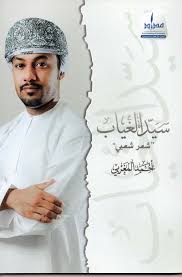
The collection of the master of absence:
It is a collection of popular poetry that contains various topics in poetic poems, including emotional, social, humanitarian, and subjective ones. It also contains different types of popular poetry, some of which are vertical, some are ta’fa’il, and some are double between ta’fa’il and vertical..
The collection talks about the theme of absence in general in poems...but this absence is similar to presence in the world of poetry...it has innovative poetic images, different from the rest of the collections...with the presence of the Omani folk color mixed with beautiful modernism...
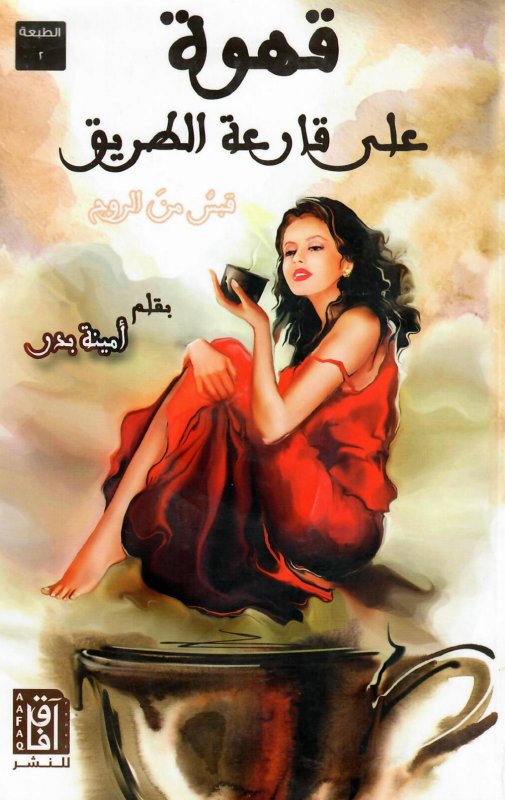
City of Roses / Part 2: We all know that flowers have a beautiful life and their sweet, irresistible scent, and there are those who care for them and take care of them, and they are the children of the “human being of roses” until they become strong and face difficulties despite everything bad that happens to them, but their being is delicate and weak, quickly shaken by problems and withering. Until it becomes weak and dry, and thus it is fit for the needs of the picturesque “City of Roses” and its good residents, and there is a just and merciful king over his flowers and the children of “Bishr al-Ward” and he does not accept injustice when one of them invades, so he punishes the one who wronged and honors the oppressed, and you help him. A wonderful and wise princess to renew and develop the “City of Roses” until it became modern in life and view... (Let us go through a new experience together in the depths of the fictional novel and sail with its heroes until the end)...
Articles in which I try to put points on some values and ideals, which have been scattered amidst the noise of civilization, civilization, and globalization, and under the name of progress and development, which has caused the destruction of some of the foundations of our conservative society.
I highlight what matters to me, and what matters to my community and my family, trying and diligently reminding myself first, and reminding those who read my words that our role is great and great in preserving this precious country.
As you will see, my strong focus is on women, as there is no hatred for them, bias, or inclination towards men, but rather my belief in them, that they are the basic building block of the family and society. They are the nurturing mothers, they are the appointed wives, and they are the daughters who are future teachers, if women reform, preserve their authentic heritage, and hold on to It is the essential foundation for the good of society.
As you will see in my writings, some of the local dialect, which I deliberately mention, because I believe that it has a greater impact on many groups of society, and this is only my desire to have this book reach the largest possible number of people, and for many common people to understand what I am aiming at. And just as I took in my writings the character of the talk of councils, in terms of discussion and presentation, and in terms of style, some of it eloquent talk and some of it local, so that it easily reaches minds and hearts, and I hope that I have succeeded in combining them, and just as I have tried to condense as much as possible without prejudice. On any topic until it has complete understanding and meaning, I ask God for ease, success, and guidance.








-1718344194.jpeg)



-1717691389.jpg)