Eduardo Galeano is a genius writer and a lousy football player, but his lack of skill in playing football did not make him lose his passion for this sport, for which he harnessed his abilities as a storyteller, historian, and loyal fan. The book “Football Between Sun and Shadow” is an attempt to “atone for sin,” in which Galeano provides a brief account of the history of football, and the changes that have occurred to the game over time, especially in light of the fundamental importance that the game has acquired in Latin American countries. He also recalls luminous joints. Unforgettable moments on the field, and exceptional players touched by the temptation of running after the ball.
But Galeano, in his book, does not stop at the moments of excitement, glory, and fame only within the confines of the stadium, but rather goes digging into the shadows. To expose the myths that fans and players of this sport believed in, and the racism that followed them, and to also expose the amount of exploitation and corruption that turned this sport into a business, and its players into commodities, thus killing its enjoyment.
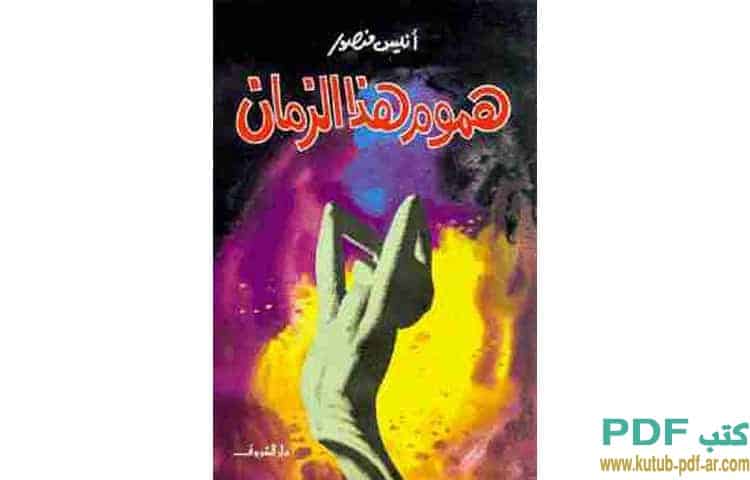
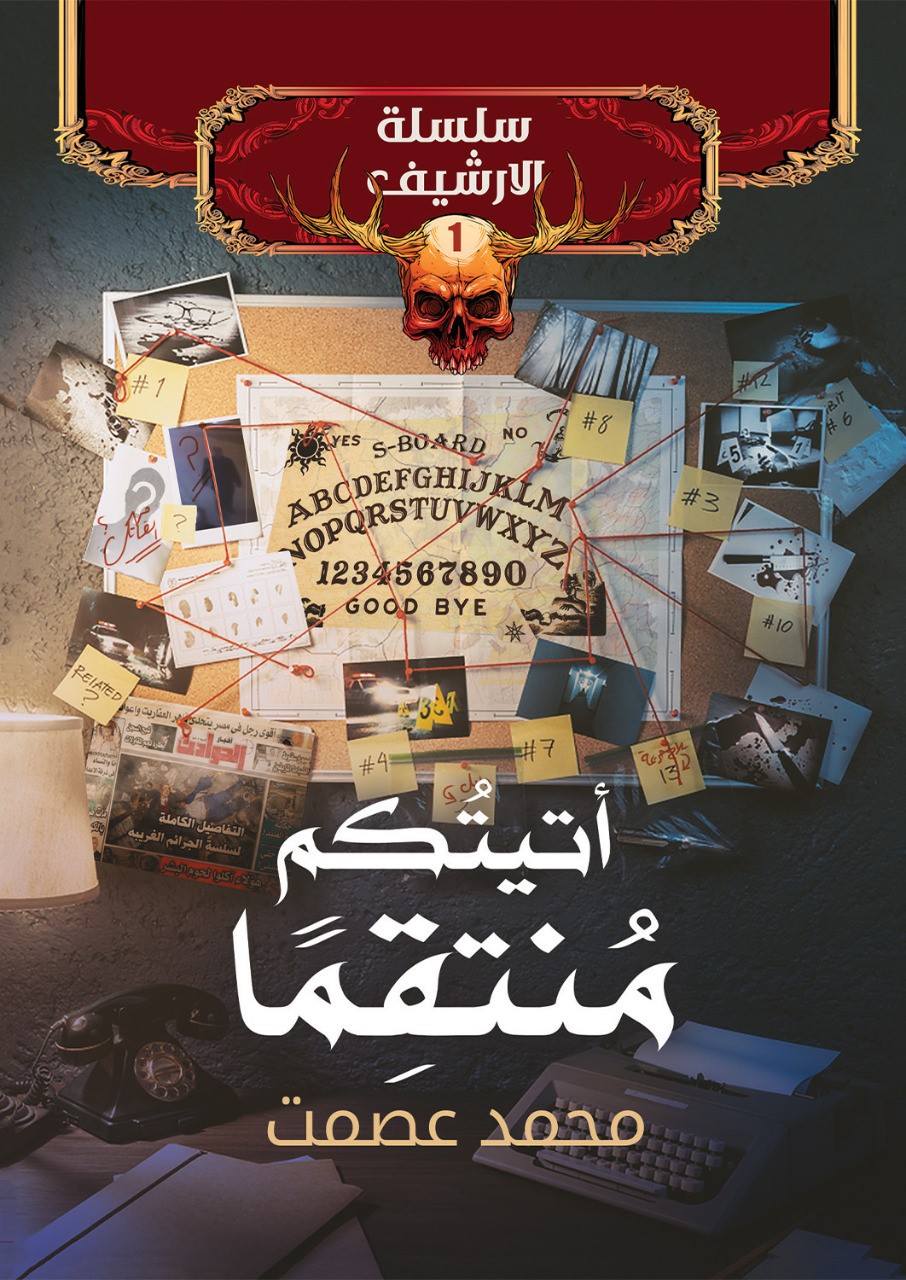
هناك جثة خامسة، وهناك جثث أخرى غيرها تنتظر دورها فى الرواية، وهناك عمال المشرحة المذعورين.. هناك لعنة غامضة تمرح خفية بين الجميع وهناك شر محدق، وكارثة أخشاها بشدة تنتظر أن تتحقق.. هناك طبيب نفسي عجوز يعرف الكثير جدا، وما يعرفه يثير الهلع في النفوس، فهل يحتفظ به لنفسه، أم يخبرهم ليبصيبهم بالجنون؟!.
Alone on Baraway Island, Ingrid lives after everyone has left, roaming the ruins, repairing what can be repaired, and catching fish and bodies that wash up on the island's shores. The young woman struggles to hide a big secret that could put her in danger, as the country witnesses the final months of World War II.
In this novel, Roy Jacobsen completes the story of Barawe Island, which began with "The Invisibles", with his delicate narration, natural images, and brief sentences that hide the truest and hottest feelings behind them.
“White Sea” is a novel about new beginnings that make their way from the ashes of a devastating war, about friendships and love, the faces of those passing by and the dead, and about people who remain where they are in the face of war, bidding farewell to the departed and receiving those returning, and monitoring the passing of days and the succession of seasons.
ولستُ أول مَن اختار المتاعبَ في حارتنا، كان بوُسع جبل أن يبقى في وظيفته عند الناظر، وكان بوُسع رفاعة أن يصير نجارَ الحارة الأول، وكان في وُسع قاسم أن يهنأ بقمر وأملاكها، وأن يعيش عيشةَ الأعيان، ولكنهم اختاروا الطريقَ الآخَر.»
Owned houses and others are rented, fleeting and temporary dwellings, between which the writer moves across different Syrian cities, turning the houses into stations, or rest stops that allow her to contemplate the context of her life, her choices, and the source of her desire to remain between closed doors. The subjective nature of the book turns it into a kind of personal testimony, but Nour Abu Farraj is betting that her memories may intersect to a large degree with the experiences of middle-class young men and women from the 1980s generation in Syria, who lived a relatively stable life, before the war came and made a difference in their context. Forcibly expel them from their safe spaces.
In the face of the transience and uncertainty that war brings, description becomes a tribute to the fleeting; This is why the book tries to remind readers of the long time it takes to build a house, in the symbolic or structural sense, but it nonetheless warns them against becoming captives to the place, and encourages them to carry their homes as souvenirs, or small luggage on their long journey.
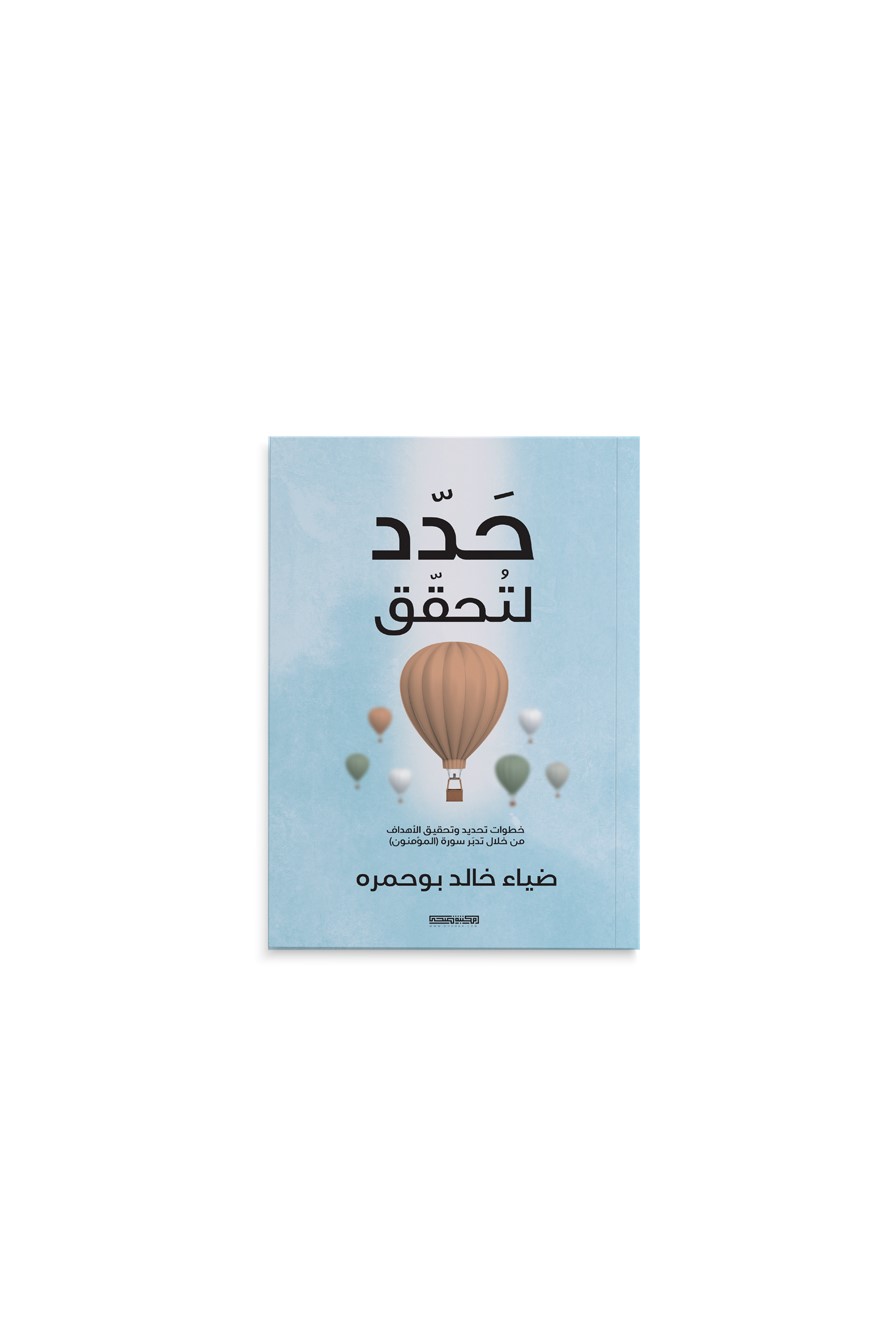
This book is an attempt from me to you, dear reader, to discover yourself and highlight your true strengths that may not be obvious to you, but they are there. Man has succeeded in achieving what he never dared to even think about. He harnessed nature to his advantage. He softened the air. He cooled the water and warmed it...and controlled the universe with his finger from his place...and began to follow the world and communicate with it in his place...all of this was never raised to the status of a dream, but it became a reality that we live and enjoy...is it possible now to bear water on your body without warming it? This is the simplest example of human ability. You, dear reader, have amazing abilities within you that are just waiting for the moment they come to light. And here I am helping you bring them out. Read this book with your heart before your tongue. You will find that you are one of the richest people in your mental and personal abilities. You just need it. Rediscover yourself
This book collects selected texts by twenty-one male and female poets from different cultural and social backgrounds, regardless of the reasons and ways they left Syria, even though most of them left after the outbreak of the revolution in early 2011. Today they live in various countries in the Arab world and outside it, and many of them live in Germany especially.
These selections are an attempt to shed light on the Syrian poetic experience emerging in exile, which carries within it the diversity of poets’ styles, experiences, opinions and ages, and presents a picture of the reality of Syrian poetry abroad, without evaluating it, but rather as a witness to the changes occurring in poetry and parallel to the changes in the earth. Although the features of this experience have not yet crystallized, it demonstrates effective attempts to take Syrian poetry to other directions that will inevitably lead to new places in Syrian writing.