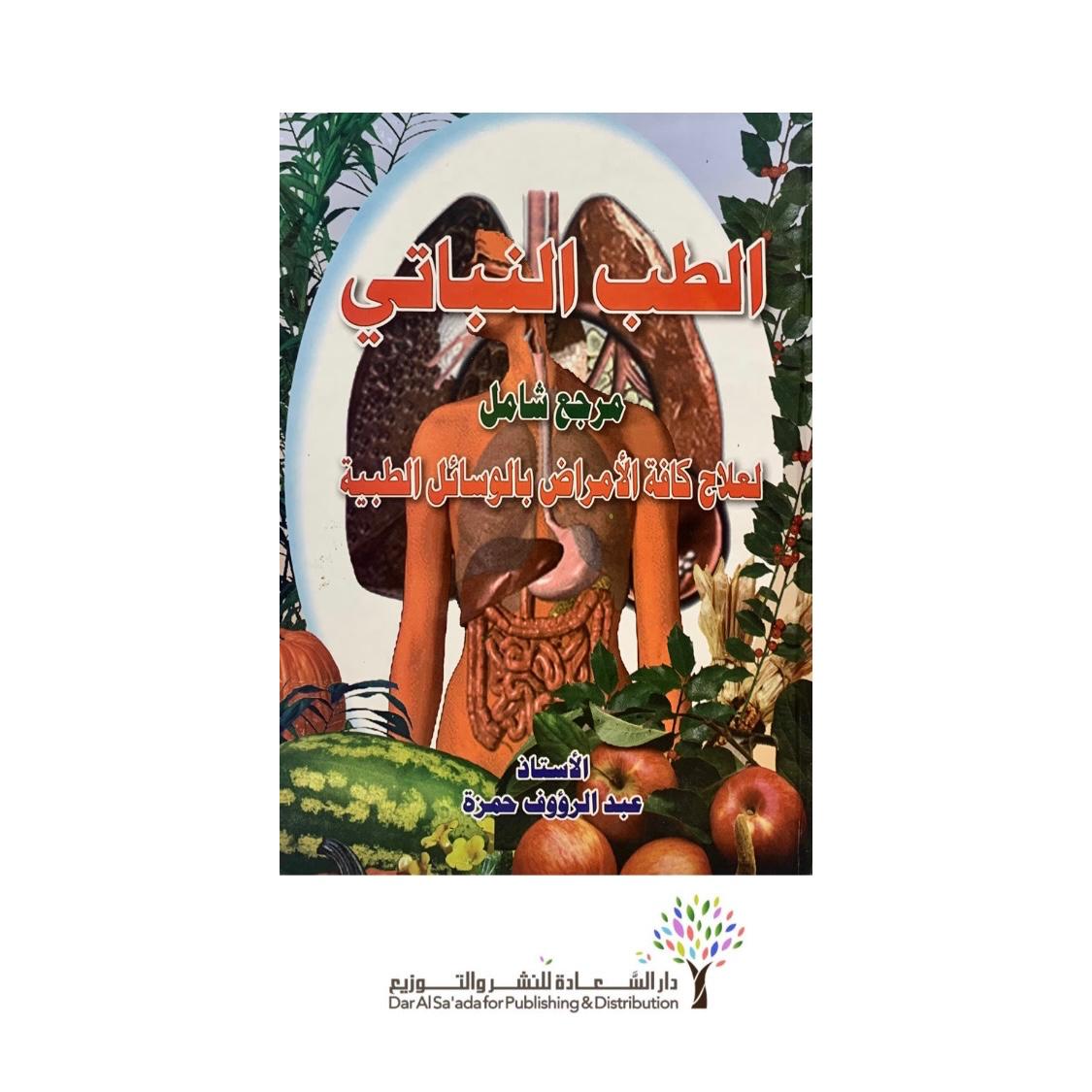
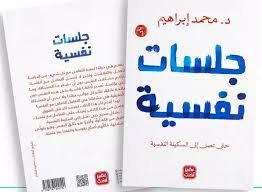
The Fifty Rules...rules derived from life relationships
50 AED
50 AED
0 Reviews0 sold
Product Details :
The writer speaks through a group of thoughts that were divided into (50) life rules, where attention was paid to the stages of human development through the distribution of age and behaviors according to the rules. The rules dealt with how a person grew up and what his behaviors are like since childhood, and they were linked to the content of my thoughts, which is advice provided to readers. About some of the behaviors and advice that we practice in our daily lives, and with reference to the fifty rules, I focused on the story of a man, how he was before birth and then in the cradle, and linked childhood behaviors to things and suggested rules for dealing with life and people, and then continued the description of this person’s adolescence stage regarding linking his behaviors. His works are also consistent with the ordinary life that we live, and in the final stages, it depicted the age of this child who reached the stage of marriage and fatherhood until he became a grandfather, and here it focused on respect and reverence for the elderly.
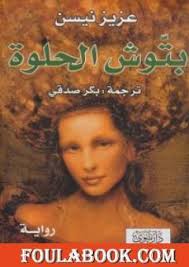
Sweet Batush, Batoul, Turkish Comfort, Mrs. Hard Coin, different names for one woman whose trace has been lost, and finding her alive or dead has become necessary so that her family can obtain a large estate inherited by the mysterious woman; The journey to search for her becomes an opportunity to discover the secrets of the high society of which Batoul was once a part. It is a journey of ups, downs, and transformations of a woman who manipulated everyone and took revenge on them in order to avenge an injustice after she hid a mysterious secret behind her captivating laugh.
In this book, Aziz Nissin directs his harsh criticism to expose the “rot” that has befallen the velvety layers of society, and the opportunism, vulgarity, and absence of values that prevail in them, but he does so by mocking the situations and paradoxes that make men blind their eyes to what they do not want to believe, and voluntarily surrender. To the deceptions and vicissitudes of a sweet Kaptosh playful girl.
A satirical social book that deals with the psychological challenge of a very simple and very ambitious character searching for her lost self, stuck between her repetitive routine and the remnants of the past and the chaos of feelings. The character begins the search journey from the bottom of her house, and tries hard to reach the truth about herself while searching in her own circle, only to collide with her reality and the episode. The hollowness and that life is deeper than we think, and much more beautiful than living it with a repetitive routine that everyone complains about, including you.
You may laugh, because you will remember yourself in many situations, and you may also cry when you realize that you wasted a lot of time and perhaps money searching for a meaning that sums up your day and the true meaning of yourself. The time that was exhausted will not return, and today’s goals may differ tomorrow, so I have put together for you, dear reader Here, in short, are very simple situations, and I hope you like the way it is presented. What is beautiful about this humble content is its beginning. Everyone’s beginning is the same and you are the one who will decide what you will do later with your urgent and demanding self after the initial applications presented in this work.
I found it, and you will find it too, so do not rush or delay, take enough time to search and do not forget to start, start and do not give up, and I ask you not to fall into the trap of feeling like a failure and repeating the same mistakes that others have made. If you are not successful, then your first, second, and third possibility. It will happen sooner or later, just like the law of probability says.
I chose Inspired because I really want to inspire someone one day. This journey is everyone’s journey, and many are those who have not reached their true selves because they did not listen to that little voice inside them, and did not have the courage to search or express themselves with absolute transparency, so I believe It is a personal, human and national duty that we all rise up ourselves first, so that society rises.
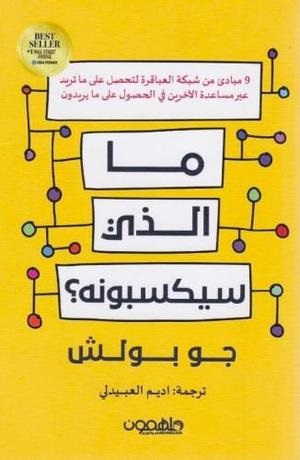
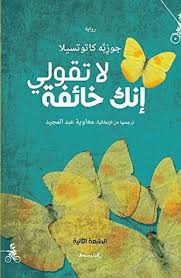
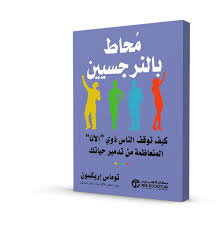
وهو يناقش موضوعات عدة، مثل فكرة الكمالية، أو السعي نحو الكمال، وأثر الحياة الاستهلاكية على البشر، وكيفية التعامل مع عادة التسويف والخوف المرضي والتفكير المفرط، ومخاطر الفراغ، وأهمية تحقيق التوازن بين مجالات الحياة، وكيف يتقبل الإنسان فكرة امتلاكه للكثير من العيوب، وأهمية القدرة على رفض الأوضاع التي لا تناسب الإنسان، ...












-1718248940.png)