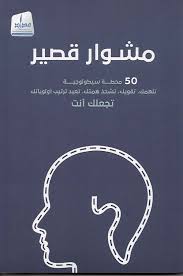
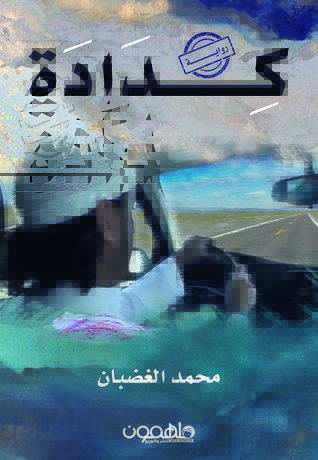
Short walk:
He says: Ahmed Al Mansouri....
More than one idea crowded into my mind, and I felt that the question was too deep for me to solve with a short answer, so the idea came to my mind to present short stories about the abnormal patterns of characters through the Instagram application, so I quickly implemented it, and within a few weeks the number of followers doubled several times, so I had to create a new dedicated account. To review these patterns and analyze them in a brief, easy way that can be heard in two minutes, I called it (a short walk). After more than 50 trips that I presented through this account, I decided to convert the audio trips into written texts, and provide brief positive values that are easy for the reader to comprehend and apply, and to reach the A wider segment, achieving greater benefit.
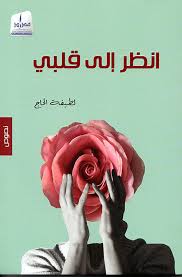
Look at my heart:
Latifa Al-Hajj returns with new texts entitled “Look at My Heart.” With her poetic style and deep feeling that touches the heart of everyone who reads it.
In all of her texts, Al-Hajj refers to the heart in which love resides and emanates from it, the love that heals, heals, and transforms desolate worlds into a garden of tranquility and happiness.
A poetic journey of 251 pages, which the author dedicates to the people of love and heart.
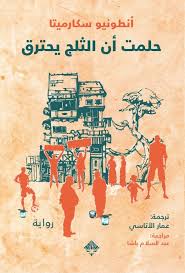
Under the roof of a modest hostel in a poor neighborhood in the Chilean capital, a strange group of guests meets, including workers, trade unionists, students, traffic police, and performance artists. Let them all witness the last days of the rule of the Popular Union headed by Salvador Allende, before the bloody coup led by General Pinochet took place and changed the history of Chile forever. Thus, this hostel turns into something similar to an operations room through which some Chilean leftists try to protect the socialist government and stand up to fascism. And among all of them, Arturo, the braggart and virginal football player, coming from the south to the capital, and burdened with dreams of fame and unsatisfied desires, tries to discover himself and determine his position on everything that is happening around him.
“I Dreamed That the Snow Was Burning” is the first novel by Chilean writer Antonio Scarmeta, and one of his most important works. In it, the features of a special, diverse style are established in terms of rhythms and narrative techniques, in which imagination blends with reality, and in which sarcastic humor alleviates the harshness of dramatic events. The book is a living document of the dialogues, conflicts, and popular mood that prevailed in Chile at the most pivotal moments in its history.