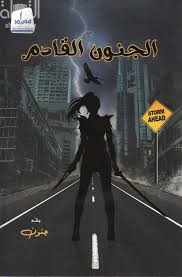
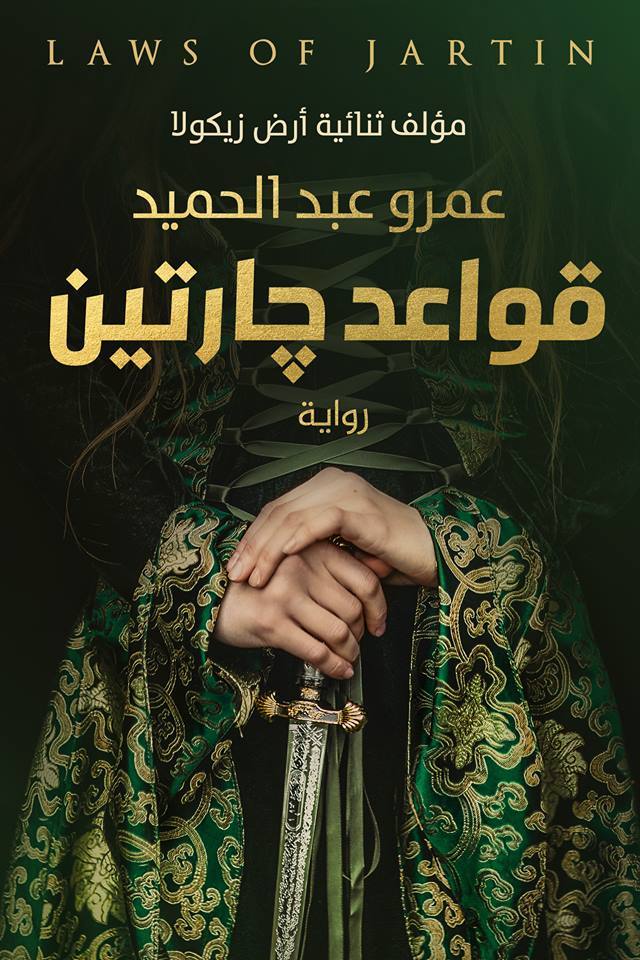
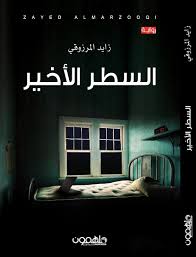
The next madness...
This is an early warning of madness unleashed on the world. When this madness begins, there may be no way to stop it or control it!
This madness may tamper with minds, control them, and urge them to rebellion...and madness!
For every sane person who wants to maintain his sanity, this is the last warning to stay away from the zone of madness, and for everyone who wants madness, please enter a world that lacks all restrictions!
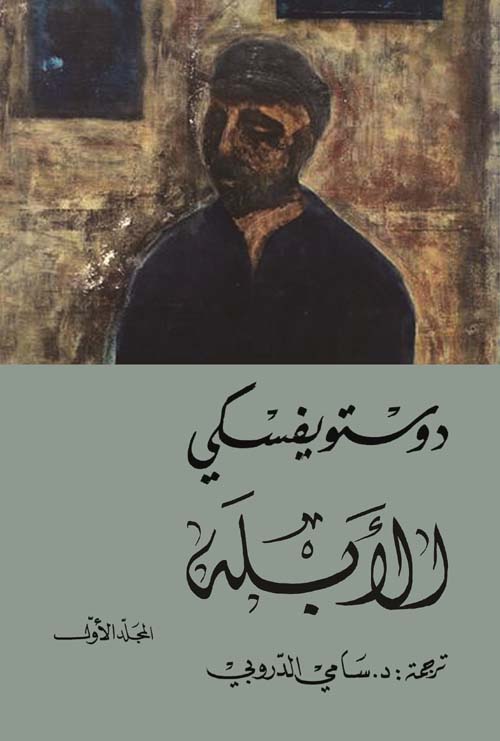
The Next Madness is a book that simulates the feelings and thoughts that conflicted in the mind of a woman who was called “Madness” for a good reason. The reader will realize this when he enters the world of “Madness.”
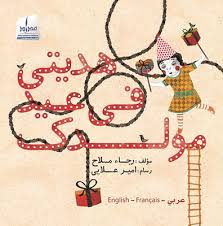
"My gift for your birthday":
Christmas comes and our children are getting older, more mature, and more demanding. On this occasion, in particular, many mothers and fathers are confused about choosing the type of gift, its size, and its value. They often resort to buying “ordinary” gifts that may not live up to the highest meaning of the gift, which is to communicate to the child how important he is in our lives and how much we care about him.
Christmas has arrived, and here the hero of the story is wondering about the most precious gift he can give to his child, and here he is wondering in a beautiful monologue about the most precious gift that can be given to his child... so he begins to include a list of gifts that he considers to be the most expensive, between the possible and the impossible, the strangest and the most beautiful... to conclude that the best gift that can be given It is within his reach, as it is within the reach of every mother or father, and it is time.
A text that teaches the child as well as the parents that the value of the gift is not in money, but in the amount of time and love in which we share our daily interests between laughter, play, and seriousness..
Illustrator: Artist Amir Alaei - Iran - works for magazines and specialized publishing houses and is a painter and graphic designer.
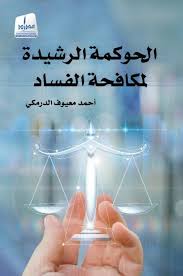
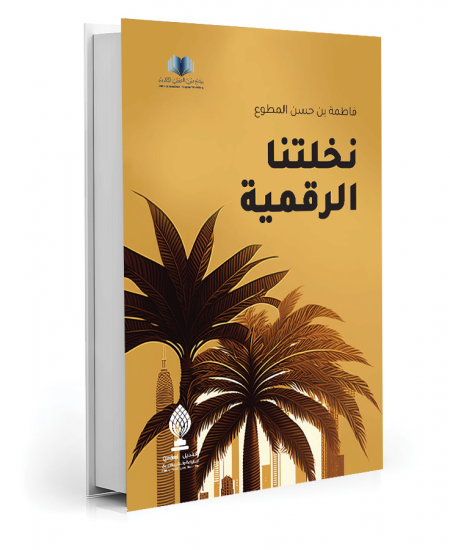
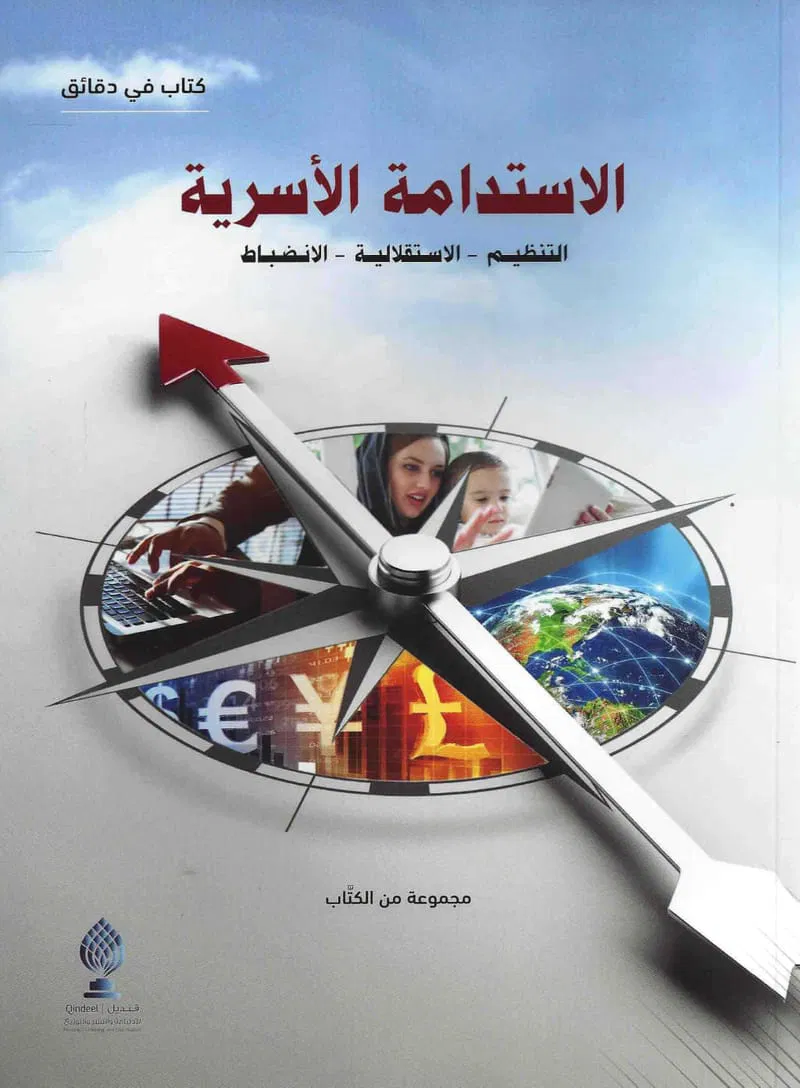
The idea around which this book revolves is the necessity of integration between economic development and administrative reforms to achieve the goal of achieving the desired economic sustainability of the United Arab Emirates. One hand cannot clap and a building cannot be erected if one hand builds and the other holds a pickaxe and demolishes what the first hand built.