Merciful heart:
Neutral texts, for loved ones, and as you read beyond all of this, contemplate yourself, contemplate what is around you, contemplate those you love, even from afar.
For everyone who has never known the path except through love... and yet they suffer
In the hope of obtaining a blessing for which he thanks God and calls it “the Most Merciful of the Heart.”
I mean: If that were the case, how much of our dignity, human solidarity, and sense of humanity have we lost until we became accustomed to the humiliation surrounding us, for ourselves and for others?! We have even come to accept this violence and inhumane treatment with which we or others are treated as we see it in life or when we read about it or see it on television. (We will ignore that we sometimes treat others in this way: our children, our subordinates, or those who fall into our hands among our enemies, for example, or the prisoners in our hands, assuming that some of those who carry out these tasks can read what I write).
Our habituation to this humiliation is reflected in the fact that we have come to accept that torturing a prisoner is a given. We no longer wonder about the effect of that torture on the prisoner-victim, even after his release from prison, just as we no longer wonder about the effect of torture on its perpetrator. Can he easily return to his normal daily life after leaving the torture room, as if he left the toilet to resume his life?
This is the first time I have gathered my thoughts on this topic after many attempts and articles scattered in more than one place.
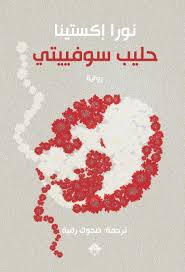
An ambitious mother passionate about medicine suffers and collapses from the transformations imposed by the totalitarian government’s control in all aspects of her social, political, and personal life, depriving her of her passion, identity, and even her desire for motherhood. A dreamy daughter attached to life lives under the care of her grandmother, because her mother often stays away from her. She lives in conflict in a society governed by fear of any difference, in which every desire for uniqueness becomes a crime that must be eliminated. Through the turbulent and volatile relationship between mother and daughter and the story of three generations of Latvian women during the Soviet control of their country, Nora Kstina tells a transparent story about motherhood, love, the desire to live, and hope.