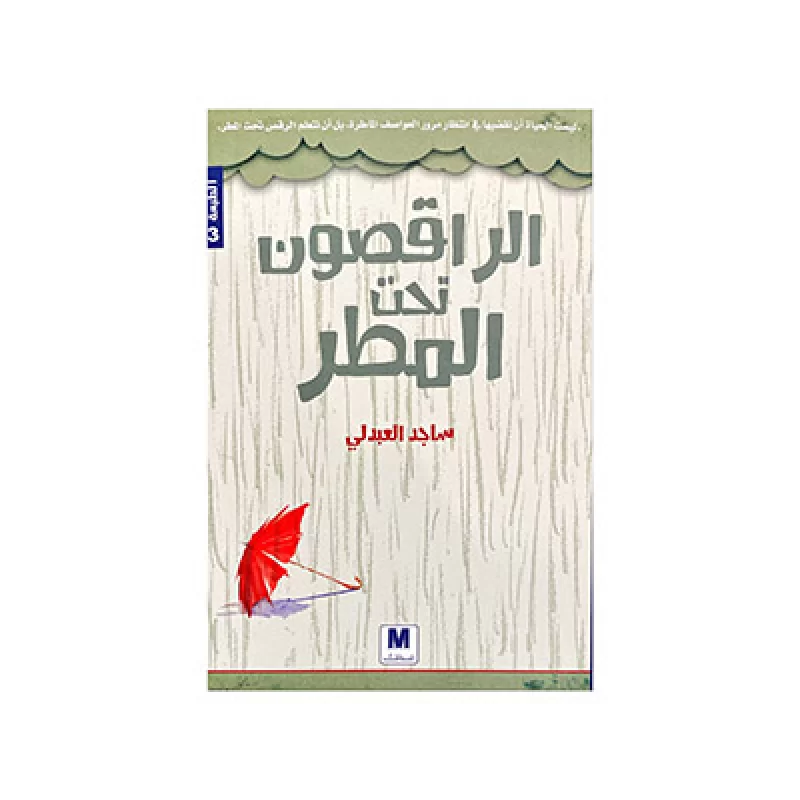
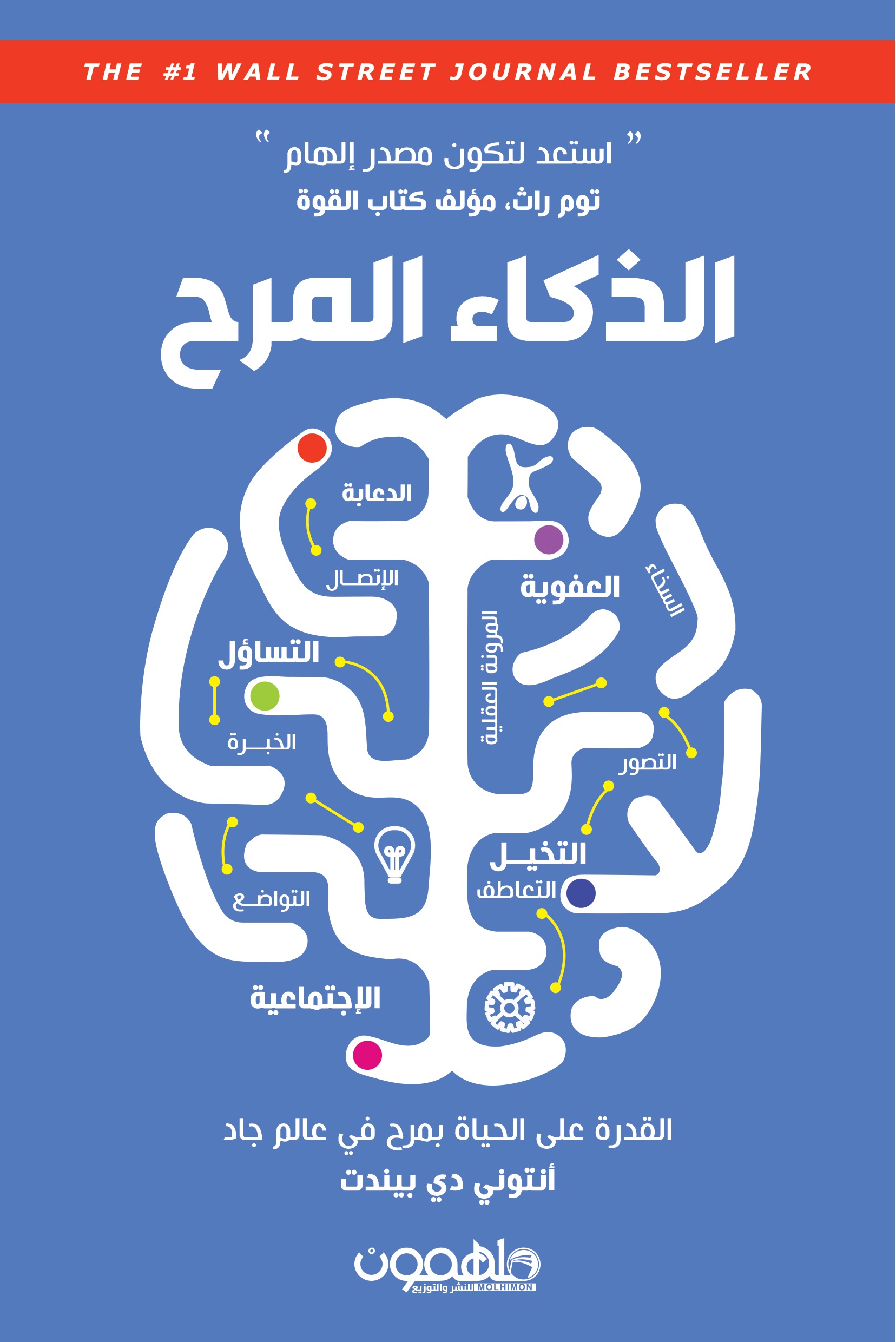
"Life in 20 pages": It is an important reference for everyone looking for positivity in life. It also discusses ways to simplify life to understand people better. Through the influential messages contained in it, the writer urges us to have a positive spirit and enjoy high morale. It also highlights the events and events of daily life and informs us of how to deal with them. Smoothly. This book helps you find solutions to your daily problems, achieve your ambitions, and express your dreams, no matter how impossible they seem, as entire life experiences are formulated in excerpts so that the reader can understand them. During your journey with this book, you will notice that the deeper you delve into thought, the more you realize that big problems can be solved simply by changing your lifestyle. Let us go on a journey that will ease your burdens and give you happiness, strength and will.
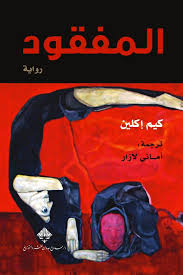
On a deep wound that requires ages to heal, the novelist, Kim Ecklin, presses to open a biography of genocide, and travels from the farthest west to the farthest east, to tell part of the tragedy of an Asian country, recording part of the testimonies of the living survivors, and those who wrote small signs, bearing two words. “We will not forget,” and they hung it on tree trunks, and it was also motivated by the story of a woman she met in the market of the Cambodian capital, Phnom Penh, who lost all of her family members at that time, and when the Canadian author asked her: “Can I help?” What can I do? Her answer was: “Nothing, I just wanted you to know.”
The subconscious is a world full of life, which has no rules or pre-determined form. It is a life like a crashing wave, in which stories occur that only their owners know, and which rarely reach paper. Wading in this sea is a very complicated matter, but it is a very enjoyable matter, and the more you know, the darker it becomes, because ideas throw their impurities into it, forming in this way their opposites that disturb us whenever we sail in them.






-1717716280.jpeg)