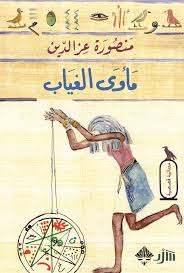
The shelter of absence is a place built of words. Everyone in it belongs to the world of his imagination, and lives in a state of obsessions and doubts. A scientist who surrenders to ambiguity and hieroglyphs and loves the mercury of impermanence and uncertainty. In this shelter, we do not know whether what we read are the preparations of the goddess of talisman, or if they are the same as the preparations of others. We do not know whether to believe her or to believe in the suffering writers who create themselves with the power of language and invent worlds and selves with words.
In “The Shelter of Absence,” we read about the wreckage of events and people, and about the brewing panic of perishing cities, in stories that belong to the imagination and the grotesque, as much as they derive from the devastation that occurs in reality as material for writing.
Critic Dr. Mohamed Al-Shahat believes that the narrative of “The Shelter of Absence” builds “on constructing an imaginative journey, with successive episodes, that questions the concepts of space, time, and human existence. In doing so, it searches for the essence of human communication beyond “language” in its common sense.”
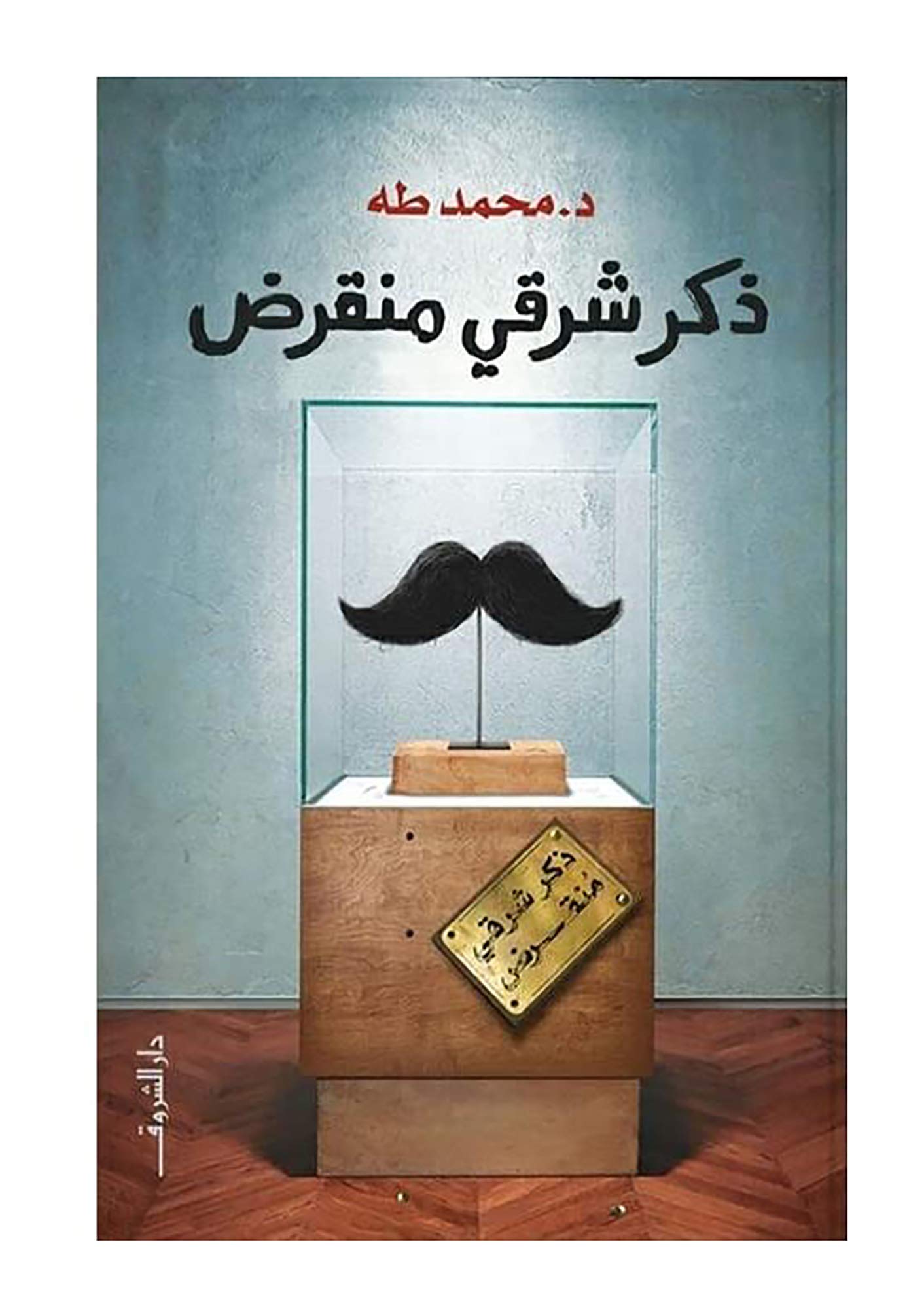
فيه فرق كبير بين الرجولة والذُّكورة..الذُّكورة هي النوع.. الرجولة هي الفِكر.. الذُّكورة هي الجنس.. الرجولة هي السلوك.. الذُّكورة هي البيولوجيا.. الرجولة هي الموقف.هذا الكتاب ليس عن "الرجل الشرقي"، الذي سمعنا عنه وعرفناه قديمًا.. بل هو عن "الذَّكَر الشرقي" الذي تسلل إلينا مؤخرًا، وعاش بيننا بديلًا عنه..
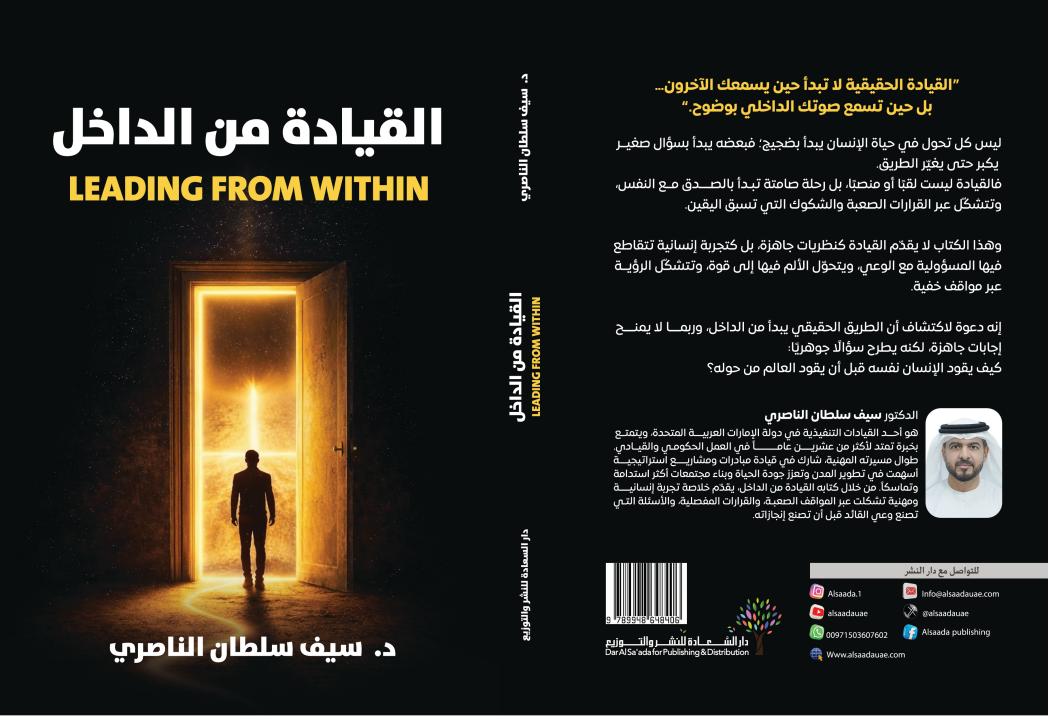
يقدّم كتاب «القيادة من الداخل» رؤية إنسانية وعملية للقيادة، تنطلق من فكرة محورية: القيادة الحقيقية تبدأ من وعي الإنسان بذاته، ثم تظهر في قراراته وسلوكه وطريقة تعامله مع الآخرين. ومن خلال تجارب ومواقف مهنية وشخصية، يربط المؤلف بين القيادة والنضج الداخلي، ويرى أن القدرة على التأثير تبدأ من وضوح القيم وتحمل المسؤولية والقدرة على اتخاذ القرار بوعي.
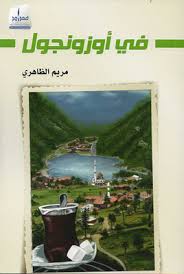
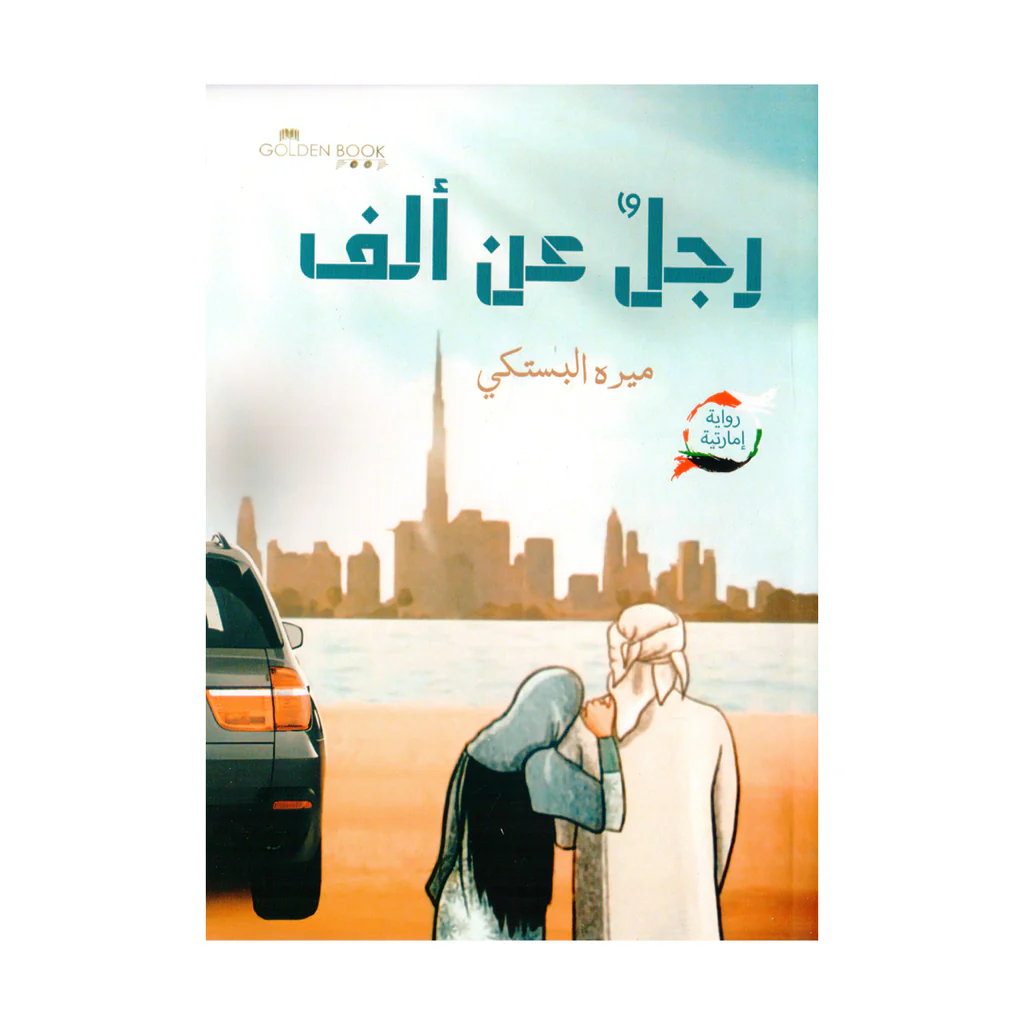
A girl in her twenties and her father's only daughter with her two brothers
Her father's friend's son falls in love with her, but she ignores and rejects this love.
At the same time, she meets a young man of a different nationality, and they admire each other, but it turns into love on the young man’s part, and fate wants that to happen through a trip to Uzungol, but an accident occurs during the trip, and after that, her feelings towards him change. Events take place after that, and she experiences situations towards the son of her father’s friend, and it becomes clear that he It is her love and her choice.
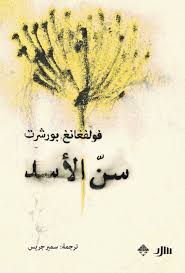
We are a generation without farewell, says the German writer Wolfgang Borchert, summarizing the tragedy of his generation that was led into World War II without anyone saying goodbye to it. Perhaps Borchert is the voice most capable of expressing this generation, and that war that left massive material and spiritual devastation in Germany. It also left literary ruin.
Borchert left behind a collection of short stories that his fellow Nobel Prize winner for Literature, Heinrich Böll, describes as “complete masterpieces,” while Egyptian writer Ibrahim Aslan sees in his stories “a sublime expression of the ferocity of all wars without a single direct word.”
In this book, we present to the reader a selection of these stories, and what attracted us to them is the human approach to major topics, such as war and death, love and the feeling of loss, and the artistic expression of them.
Tall Nawi
Book summary
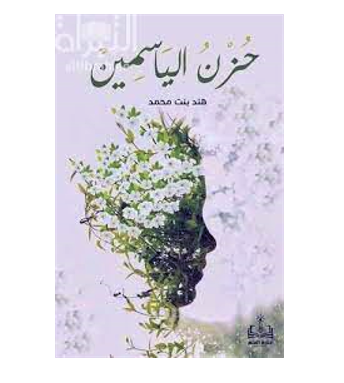
Hearts need consolation, perhaps they will be comforted by the wound of the relative who owned them. When the pleasure of the liver rebels, and souls lack their complement, expressive words die and memory disappears, searching for no other refuge. The book includes thoughts that tell clips of stories overcome by sadness and pain, dealing with hearts that were shattered and in need of consolation and advice. .... Each thought describes a section of not-so-short stories, in which it tells the conversation of the soul to the soul, and narrates mixed happiness and pain, broken hearts, and inner discourses, which arouse controversy in the soul, and require healing answers for the tormented soul..... The characters speak with the language of the days, complaining. Bitterness befell her, and she taught a life lesson: there is no permanent happiness, no love lasts, and no trust is given to the unknown.
Long hours are the most miserable and exhausting of the souls of many. That distance that intensifies longing and steals sleep from the eyes. It is the distance that everyone abhors and only the hardened of hearts can enjoy.