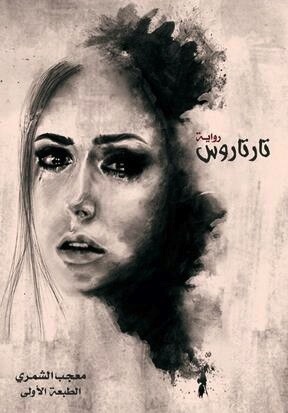
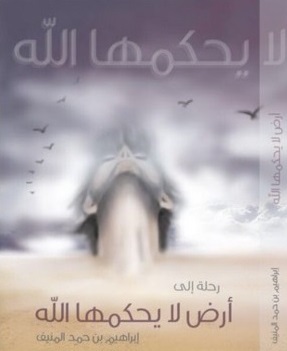
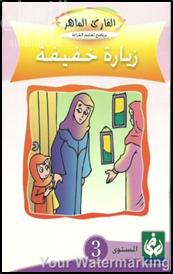
A social, humane novel that embodies fraternal solidarity in the most difficult situations of life, and depicts the nobility of sacrifices in life’s various pitfalls and ways to overcome them. It is a bright picture of family compassion between siblings at all stages of life, in the presence and absence of parents.
It is rare today that we do not find in explanations and comments on the book of the Old Testament multiple references to archaeological sites, such as Qumran near the Dead Sea and Ugarit on the Syrian coast near the city of Latakia. The Qumran site has become a well-known name to some extent, while the site of Ugarit, which is no less important, did not enjoy the fame that Qumran enjoyed, even though its discovery contributed greatly to re-translating and interpreting many of the words and passages of the Old Testament. This is what prompted me to write this small book that examines the civilization of the ancient city of Ugarit and its legacy. Ugarit was one of many cities that filled the world of the Bible, but its importance lies in the wealth of literary texts that added a lot to our information about the world of the Bible, to a degree that exceeded what any other archaeological site in the eastern Mediterranean provided, and helped fill the gaps between the world. The ancient and modern world.
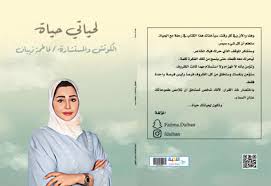
Interaction between people and relatives:
The book contains examples of demonstrating the appropriate method from the Prophet’s biography to deal with many situations that are frequently complained of as a source of disagreement, division, and distance between individuals in the family and society. I hope that the honorable reader will find in it the most appropriate way to reach comfort and tranquility with a reasonable amount of friendliness and respect in his relationships with others. And among individuals in general in the family and society, with my heartfelt wishes for an enjoyable and useful reading of the book.
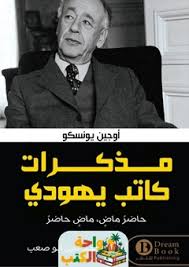
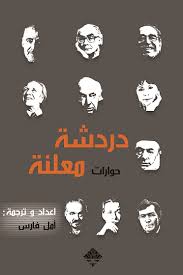
“History pushes us to questions about its course, which we answer sometimes, and many times confusion remains a prisoner of souls and chance, until awakening comes to strike our consciences through one of those honest creations that refresh memory, such as the letter that Fernando Arrabal addressed in 1971 to General Francisco Franco (President of Spain 1939- 1975) to argue with him about the great Spanish Civil War - as some Spaniards described it - and then about the regime imposed by the general after the war. It is a cry for freedom and a spontaneous testimony from within the fence that shackled Spain in the furnace of war, turmoil, and dictatorship. The message was spread without interruption in France, Spain, and Argentina in
Many publications, the last of which was published in 2011. Sincere satire, pain and heartbreak over a lost homeland, eternal exile, in addition to the life of the writer Fernando Arrabal, which is full of creative productions in theatre, cinema, literature, poetry, chess, etc. All of this makes this book a journey to learn - perhaps - about... “The Condition of Spain in the Age of Grievous Mourning.”