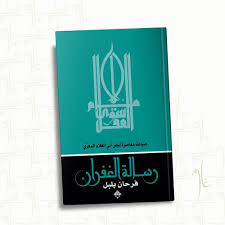
The message of forgiveness, a contemporary formulation
65 AED
115 AED
0 Reviews0 sold
Product Details :
Based on this wish for all Arabs to read what they are able to read, from ancient heritage to modern antiquities, I returned to (The Epistle of Forgiveness) to place it in the hands of senior scholars, intermediate scholars, and those below that. But how do we return to it with passion, eagerness, and the ability to benefit from it after readers have moved away from it until there is no place left for it except in the farthest corners of libraries because it cannot be read no matter how much we tempt people to read it? Would they not be repulsed by it and flee from it as they would from a heavy burden, even if you gave them a generous reward for reading it? Here I came up with an idea that I hope will resonate well with people and students of culture, which is to reformulate it.
It was necessary to include the text (Ibn al-Qarih’s letter) because the letter of forgiveness was a response to it. It is not possible to understand (forgiveness) without considering the message of (Ibn Al-Qarih). I treated it in the same way of paraphrasing so that the two messages fit together.
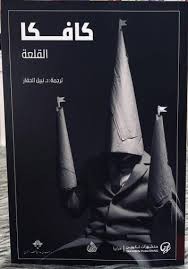
In The Lost, Kafka describes precisely and at length the world of work in the modern era, this world that grinds everything into dust, in which no rest periods are allowed, in which only the succession of working hands is allowed. This novel is one of the most international novels that reveals modern industrial society with insight, farsightedness, and prediction.
Wilhelm Emmerich
Burdened with noble goals, five young Frenchmen embark on a journey to deliver humanitarian aid to the Kakani region in Bosnia, during the period of civil war, but what began as a dangerous humanitarian mission on a bumpy road in the snow and cold, took a different path that made all their assumptions subject to question and skepticism. What's really in the boxes? Where are they going? What awaits them there on the other end? In addition to having to cross real checkpoints, they will also face more difficult intellectual barriers. What do the victims really need: survival or victory? What must be found: the animal survival instinct that requires only food and housing, or the human sense of dignity that requires means of resistance?
In an interesting and well-paced plot, the French writer Jean-Christophe Ruffin raises very profound questions about humanitarian work: its feasibility, its motives, and how to be truly humanitarian to the fullest extent. These are questions that the novel's characters keep asking themselves, and to each other, throughout a dangerous journey that may change their convictions, and perhaps their destinies, forever.