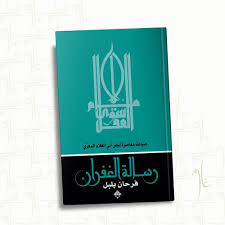
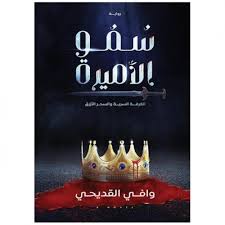
The message of forgiveness, a contemporary formulation
65 AED
115 AED
0 Reviews0 sold
Product Details :
Based on this wish for all Arabs to read what they are able to read, from ancient heritage to modern antiquities, I returned to (The Epistle of Forgiveness) to place it in the hands of senior scholars, intermediate scholars, and those below that. But how do we return to it with passion, eagerness, and the ability to benefit from it after readers have moved away from it until there is no place left for it except in the farthest corners of libraries because it cannot be read no matter how much we tempt people to read it? Would they not be repulsed by it and flee from it as they would from a heavy burden, even if you gave them a generous reward for reading it? Here I came up with an idea that I hope will resonate well with people and students of culture, which is to reformulate it.
It was necessary to include the text (Ibn al-Qarih’s letter) because the letter of forgiveness was a response to it. It is not possible to understand (forgiveness) without considering the message of (Ibn Al-Qarih). I treated it in the same way of paraphrasing so that the two messages fit together.
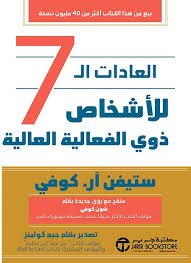
تدور العادة السابعة في كتاب “العادات السبع للناس الأكثر فعالية” للكاتب ستيفن كوفي حول التجديد الذاتي والتحسين المستمر. تركز هذه العادة على الاستثمار في النمو الشخصي وتطوير القدرات الذاتية باستمرار. وتشجعنا على العمل على أنفسنا وتحسين مهاراتنا وتطوير قدراتنا بالقراءة، والتعلم المستمر، والتدريب، والتجارب الجديدة.
Russia witnessed several revolutions, unrest, and bloody civil wars at the beginning of the twentieth century, resulting in the emergence of the Soviet Union, which formed an image of the great and invincible empire.
Some saw in it the fulfillment of the red socialist dream of building a superpower whose influence extended over almost half the world. While some saw it as one of the harshest forms of oppressive totalitarian rule, with huge detention centers and a difficult economic situation.
In the year 1991, this empire collapsed rapidly after several revolutions, unrest, and bloody civil wars, and the red man woke up to suddenly find himself living in the ruins of an empire collapsing into dozens of conflicting countries, witnessing a massive economic collapse and the end of the great dreams he had lived.
In her book, Svetlana does not search for answers to the big questions that interest the reader of history, but rather for thousands of small details of past daily life by collecting dozens of testimonies from ordinary people who lived this experience and its ups and downs.
Svetlana searches for the small night conversations that disappear with the morning, for the dream of a new future, of another time. However, it is the same time repeated; Used time..










/ مستعمل (نوبل للأداب 2015)-1717685694.jpg)