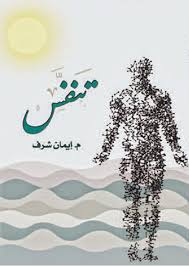
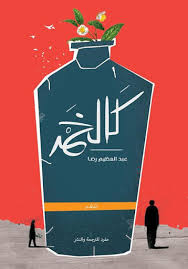
I married a song. I did this secretly for about five years.
When I heard it, the sun was setting, and I was in a heavenly expanse of an old house with milk-colored walls. I knew from the first beat that it was her, the song of my life. I only hesitated a little, and because I had never heard before about a legal ruling or a moral reason that prevents a woman from marrying a song, I made up my mind and married her.
Every night I put two headphones in my ears, and Yas Khader sings to me “Han wa Ana Ahn.” I adjust the tremors of my soul to the tremors of the sad Iraqi melody, and I drink Yas’s voice through all my pores. The song cauterizes my heart, and it melts, pouring tears, rain drops, and dew beads, and then it snows. Have mercy on me gently, and I will give birth to butterflies, starlings, and daffodils.
I smile before I sleep, and many women smile with me. I may not know them, but I know that they are like me. A song may revive them, or a song may kill them.
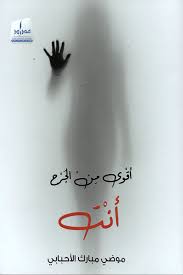
Nour lives in a happy family, where love fills their home. She grows up to see the separation and divorce of her parents
He tears through the walls of the house and her mother's heart. This event leaves her with a lot of pain and she completely rejects the idea of attachment and love, but when she meets Majid, she experiences feelings that she had not taken into account. Will this love end as it began, or will its fate be like the fate of her parents’ love?
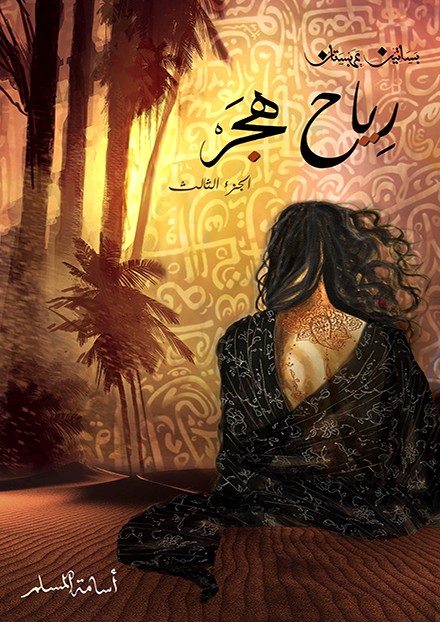
Khairy Al-Hallaq is a dangerous criminal sentenced to death. He spends the remainder of his life in prison waiting for the moment of execution of the sentence, and hides from everyone the secret that prompted him to commit his crime. A secret that might lighten his sentence, or save his life. When he enters the political prisoner ward, the criminal changes his convictions and reconsiders his life, thus dying a different person.
This “sermon” delves into the Turkish community of killers and criminals, to depict the prisoners’ diaries and their struggles in the cells, but it also carries a political and humanitarian dimension by criticizing the death penalty, and the societies’ attempt to purify themselves by choosing a scapegoat on whom to comment their crimes and corruption, and celebrate the joy of ending his life.
The sernama is usually a book that accurately describes a specific type of public celebration, but the sernama of Aziz Nessin conveys the facts and details of the execution of a “criminal” who lost his right to change.
وصف الكتاب. مجموعة قصائد الشاعر والناقد حسين علي الهنداوي منذ خمسين عاما حتى اليوم تتحدث عن قضايا اسلامية وقضايا قومية وقضايا وطنية وهموم اجتماعية وذاتية.