Alone on Baraway Island, Ingrid lives after everyone has left, roaming the ruins, repairing what can be repaired, and catching fish and bodies that wash up on the island's shores. The young woman struggles to hide a big secret that could put her in danger, as the country witnesses the final months of World War II.
In this novel, Roy Jacobsen completes the story of Barawe Island, which began with "The Invisibles", with his delicate narration, natural images, and brief sentences that hide the truest and hottest feelings behind them.
“White Sea” is a novel about new beginnings that make their way from the ashes of a devastating war, about friendships and love, the faces of those passing by and the dead, and about people who remain where they are in the face of war, bidding farewell to the departed and receiving those returning, and monitoring the passing of days and the succession of seasons.
Engineering literature:
Between literature and engineering..
My conviction is that integration enhances and consolidates what is right, because it breaks down the imaginary barriers between specializations, and opens up unlimited horizons for ideas, creating a new environment for innovation.
The content of this book is examples that I experienced in my studies, specialty, job, interests, hobbies, and volunteering, all of which confirm the meaning of the importance of integration that I expressed in the engineering literature equation.
هذا الكتاب الذي بين يديك يحمل بين طياته مجموعة من القصص الواقعية لأشخاص بدأوا حياتهم من الصفر وأرتقوا بها الى قمة المجد والشهرة والثراء. وهذه القصص قمنا بجمعها ...
كل يوم هو فرصة لتصنع شيئا جديدا لنفسك. ضع هاتفك جانبا وأمسك قلما رصاصا. أعط نفسك مساحة. الإنترنت لن يذهب لأي مكان ابدأ بصفحة واحدة في المرة وستُفاجأ من القدر .
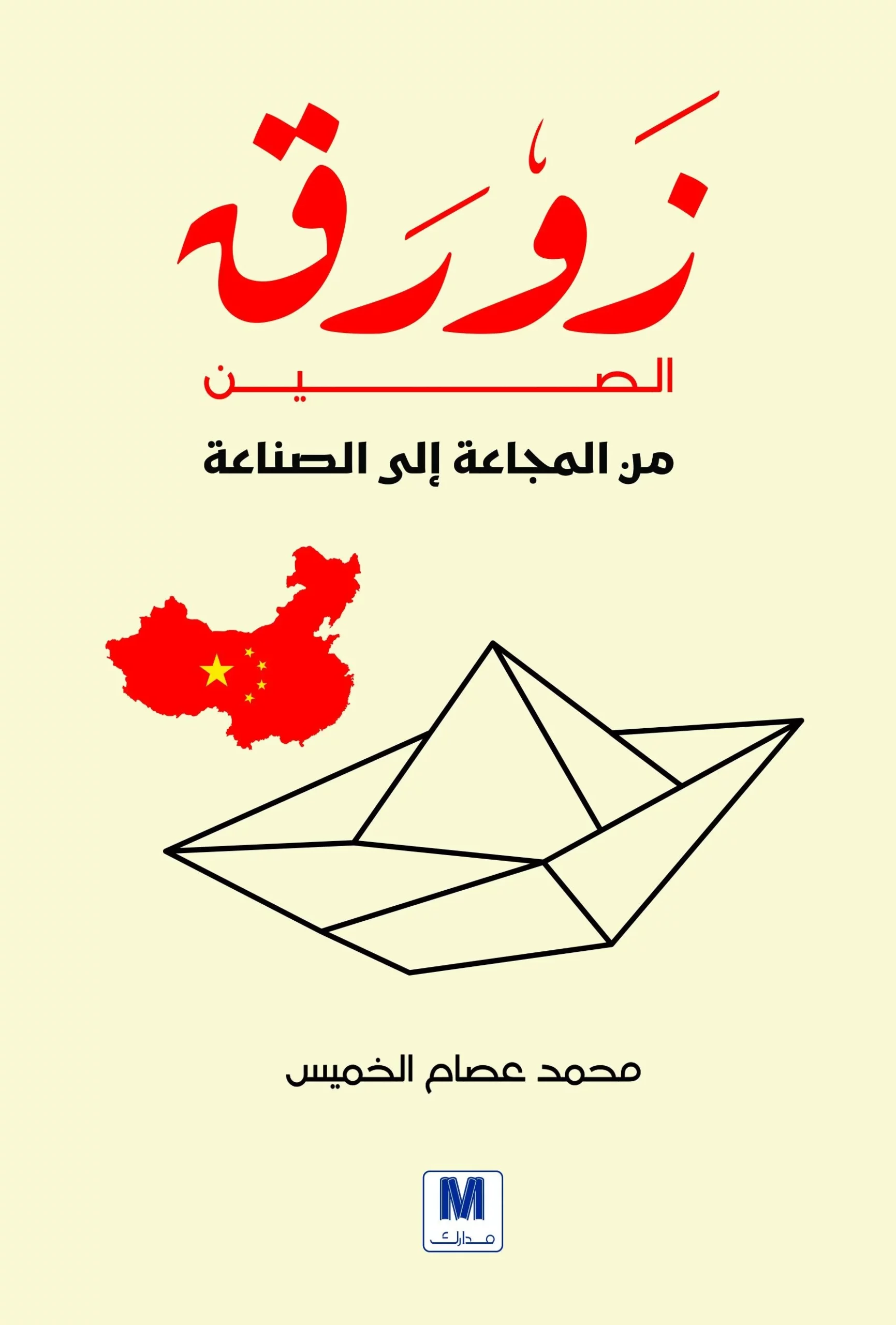
In her book, Zinc Boys, Svetlana Alexievich documented the Soviet intervention in Afghanistan between 1979 and 1985. In it, she collected interviews with soldiers returning from the war, or with mothers and wives of soldiers who were killed there, and whose bodies were returned in coffins made of zinc.
The result of the war was thousands of dead, disabled and missing people, which prompted Svetlana to raise sensitive questions about the war: Who are we? Why did we do that? Why did this happen to us? Why did we believe all that?
Svetlana was put on trial for publishing this book, and part of the documents related to the trial were added in Arabic translation.
It happens that a story creeps into your depths, shaking you violently and challenging you to turn away from it. This is exactly what happened to me with the story of the Nightingale. The truth is that I did everything in my power not to write this novel, but my research into the subject of World War II led me to the story of the young woman who made an escape route from occupied France, and I could not escape from it. Thus, her story became the starting point, and in reality it is a story of heroism, risk, and unbridled courage. I could not distract myself from her; I kept digging, exploring, and reading, until this story led me to other stories that were no less amazing. It was impossible for me to ignore those stories. Thus, I found myself under the weight of one question haunting me, a question that remains as valid today as it was seventy years ago: Under what circumstances would I risk my life as a wife and mother? More importantly, under what circumstances would I risk my child's life to save a stranger? This question occupies a major position in the novel The Nightingale. In love, we discover who we want to be; In war, we discover who we are. Perhaps sometimes we do not want to know what we can do to survive our lives. In war, women's stories have always been ignored and forgotten. Women usually return home from the battlefields, say nothing, and then move on with their lives. The Nightingale is a novel about these women, and the bold choices they made to save their children and maintain the lifestyle they had become accustomed to. Kristen Hannah