Engineering literature:
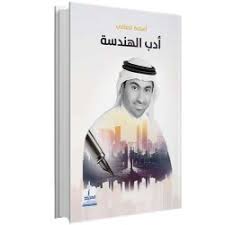
Between literature and engineering..
My conviction is that integration enhances and consolidates what is right, because it breaks down the imaginary barriers between specializations, and opens up unlimited horizons for ideas, creating a new environment for innovation.
The content of this book is examples that I experienced in my studies, specialty, job, interests, hobbies, and volunteering, all of which confirm the meaning of the importance of integration that I expressed in the engineering literature equation.
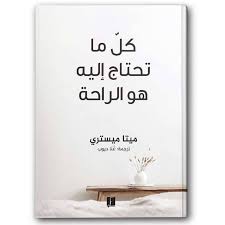
... للراحة تحديا حقيقيا. ولكن الراحة مهمة بقدر أهمية الرياضة والغذاء الصحي للحفاظ على لا من العامة سيساعدك هذا الكتاب على إدخال مزيد من الراحة إلى حياتك