My beautiful stories:
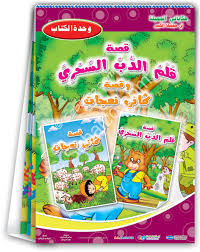
It is a collection of diverse purposeful stories, some of which are stories embodied by animal characters beloved by children, and others whose heroes are human characters.
In every story there is an educational and moral meaning and value that I tried to convey to the reader. While writing it, she avoided using difficult vocabulary and used simple words that make it easier for the child to understand the events. She also avoided many details that might distract the child from the basic meaning and focused only on the main character until the child understood the idea and goal of the story, which contains noble values such as contentment with God’s will and destiny. Kindness to animals, seeking help from one’s family, sacrifice, loving others and helping them.
تبدأ القصة بحياة مجموعة أطفال طبيعيين في مدينة صغيرة يرغبون بالعلم رغم الإمكانيات الضعيفة بالمكان فيذهبون الى شيخ منبوذ بالخفاء لتلقي قصصه وعلمه ومن بينهم بطل القصة الذي شغفه العلم والرغبة بمعرفة المجهول. لأجل المجهول نفعل كل شيء.
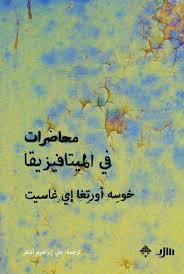
You do not have to be a student of philosophy or metaphysics, nor be interested in them, to read this book. The famous Spanish philosopher simply and deeply delve into a series of ideas closely related to our daily lives, and from there he sets out to explain metaphysics and our need or lack thereof. “For metaphysics itself is nothing but what man does. What you and I do in our lives
In conclusion, this life is something prior, and it comes before everything that metaphysics will reveal to us.
In these lectures, which he delivered to his students in a regular semester, every reader will find an introduction to understanding the world and understanding himself, and everyone interested in philosophy will find a rich engagement with two main trends in the history of philosophy: realism and idealism.