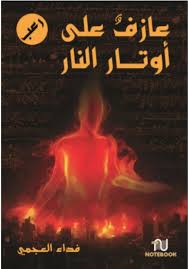
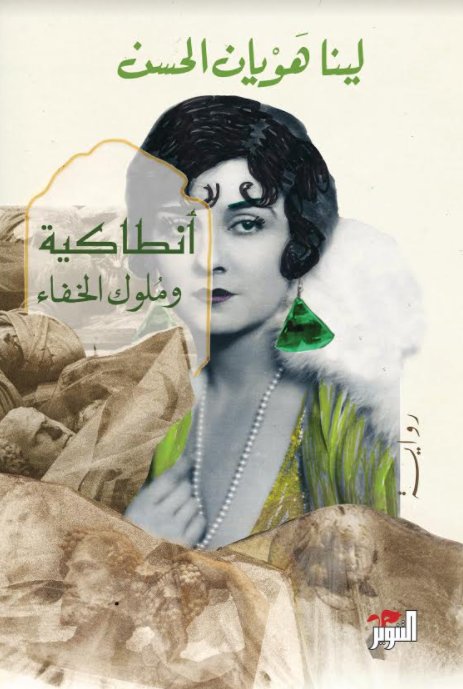
طبعًا يا صديقي ما بقاش فيه دلوقتي ست حلوة وست وحشة ولا ست فرفوشة وست نكدية. لكن فيه ست جوزها بيعاملها كويس ويدلعها ويديها فلوس تسافر بيروت تنفخ وتشفط فترجعله هيفاء عجرم. وفيه ست جوزها بيهينها ويقلل منها ويديها فلوس تروح السوق تشتري الخضار وتدفع الإيجار فترجعله تفيدة عبد المتجلي. يعني اللي بيصنع الاتنين هما فلوسك ومعاملتك وطبعًا حضرتك مفلس زي حالاتي يبقى مافيش قدامك حل غير إنك تعاملها كويس. بس علشان تعاملها كويس لازم الأول تفهم شخصيتها واحتياجاتها وتعرف هي بتحب إيه وبتكره إيه، علشان كده أنا عملت لك الكتاب ده اللي هتقدر من خلاله تحل شفرتها وتعرف كل حاجة عنها، وبكده ترجعلك هيفاء عجرم ومن غير ولا مليم. أي خدمة
Much has been written about the heroism and exploits of war, and about the extent to which it is needed as a means of achieving goals that may be considered noble. But the constant question remains: Is there a justification for peace, our happiness, and even eternal harmony, if one small tear of an innocent child is shed for it?
In World War II, more than one hundred million people were killed, wounded, and displaced in the bloodiest war - so far - in our human history. Much has been written about the tragedies and consequences of this dark phase of our history. But how did the last living witnesses see her? Children of this war?
More than thirty years after the end of that war, Svetlana, in her book The Last Witnesses, brings the remaining heroes of that stage back to their childhood that lived through the war, to tell in their words the last words... about a time that would end with them...